Doha, Qatar: As demand for food and essential commodities surged during the holy month of Ramadan, ministries and government agencies rolled out a series of coordinated initiatives aimed at safeguarding consumer rights, stabilizing prices, and ensuring food safety across the country.
The Ministry of Commerce and Industry (MoCI) led nationwide discount campaigns covering a wide range of food and non-food commodities, offering price reductions on essential items to ease the financial burden on families during the peak consumption season. The initiative formed part of the ministry’s broader strategy to maintain market balance and prevent unjustified price hikes.
In parallel, the Ministry launched its annual Red Meat Support Initiative for the holy month of Ramadan 2026 for Qatari citizens, in cooperation with the Ministry of Municipality and Widam Food Company. The long-standing red meat support program, now in place for over 15 years, provides sheep at subsidized prices during Ramadan and Eid Al-Adha, two of the highest consumption periods of the year.
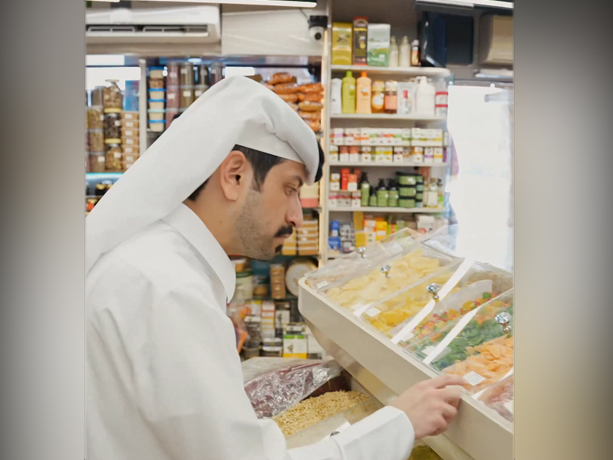
وزارة #التجارة_والصناعة تنفذ حملات تفتيشية مكثفة على منافذ البيع والمجمعات الاستهلاكية وذلك في إطار استعداداتها لشهر رمضان المبارك. pic.twitter.com/vvynZUApUv
— وزارة التجارة والصناعة (@MOCIQatar) February 17, 2026
Speaking to Al Rayan TV recently, Director of Public Relations Department at Widam Food Company Musa Al Othman, said the initiative was launched under the directives of MoCI and in close coordination with relevant authorities to ensure sufficient supply before the start of the season.
“This initiative has been ongoing for more than 15 years and aims to stabilize prices during one of the most important consumption seasons,” Al Othman said. “Sales began on February 8 and will continue until the end of Ramadan to ensure Qatari families’ needs for red meat are fully covered. Early coordination and local sourcing from Qatari farms help guarantee market stability and prevent shortages.”
He added that the initiative plays a crucial role in creating price stability in a high-demand season, particularly given the global supply challenges that often affect meat imports.
Municipalities across the country also intensified inspection campaigns on food outlets, restaurants, and retail establishments to ensure compliance with health and safety standards. The Doha Municipality stepped up both monitoring and public awareness efforts.
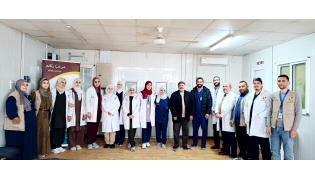
Director of the Control Department at Doha Municipality Hamad Sultan Al Shahwani, emphasized that consumer protection goes beyond inspection alone.
“Awareness is a fundamental pillar of our work. We do not stop at regulatory oversight; we believe prevention begins with knowledge,” he said. “We organize workshops for food establishment workers to ensure compliance with health requirements, distribute multilingual educational materials, and conduct outreach activities in public parks and community spaces to educate consumers on how to identify safe and unsafe food.”
Al Shahwani also highlighted the municipality’s commitment to transparency, encouraging residents to report violations and communicate directly with municipal authorities if they observe any irregularities.
Consumers have widely praised the government’s proactive approach. “The discounts on basic items made a real difference this Ramadan,” said a Doha resident. “Prices remained stable despite high demand, and that shows strong oversight.” Another citizen commended the subsidized sheep initiative.
Through coordinated price controls, subsidy programmes, intensified inspections, and robust awareness campaigns, Qatar’s authorities have reinforced their commitment to protecting consumer rights and ensuring food security during one of the year’s busiest seasons.