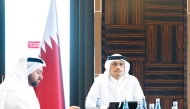
Doha, Qatar: The Ministry of Communications and Information Technology (MCIT) convened representatives from a wide range of industries for the inaugural Digital Skills Framework (DSF) Roundtable, marking a significant step in Qatar’s efforts to strengthen national digital capabilities and prepare the workforce for the demands of a rapidly evolving digital economy.
On X, the Ministry noted that the roundtable served as a strategic platform for stakeholders to discuss national digital skills priorities, address emerging workforce requirements, and explore practical approaches to enhancing digital competencies across sectors. Participants exchanged insights on the challenges and opportunities associated with digital transformation and the growing need for future-ready talent.
At the center of the discussions was the ‘Digital Skills Framework’, a national standard developed to define, organise, and benchmark the digital competencies required in today’s workplace. The framework is designed to help individuals understand their current digital skill levels, identify areas for improvement, and map pathways toward more advanced competencies.
The DSF features a comprehensive structure consisting of 115 specific digital skills grouped into 19 categories and organised under four core skill groups. This layered approach allows users to navigate digital capabilities systematically, from broad domains to the specific skills needed for professional growth and career advancement.
The framework is designed to serve individuals and organisations. For individuals, the DSF provides a clear assessment of existing digital skills and offers personalised learning pathways to support continuous development and career progression.
For organisations, the framework serves as a strategic tool for workforce development, digital transformation initiatives, and talent planning, enabling employers to assess digital readiness, identify skill gaps, and align employee capabilities with business objectives.
MCIT emphasised that the framework will support access to structured and inclusive digital skills programmes, helping individuals remain competitive in an increasingly technology-driven economy while contributing to innovation across industries. The initiative also aims to foster world-class digital competencies that will enable citizens and residents to actively participate in Qatar’s digital transformation through upskilling, reskilling, and professional development opportunities.
The Digital Skills Framework forms part of Qatar’s broader efforts to build a digitally empowered society and support the country’s long-term economic diversification and digital transformation goals.
By bringing together industry stakeholders, educational institutions, and policymakers, the roundtable highlighted the importance of collaboration in developing a workforce equipped with the skills needed for the future.
As Qatar continues to accelerate its digital agenda, initiatives such as the Digital Skills Framework play a pivotal role in ensuring that both individuals and organisations are prepared to thrive in an increasingly digital world.