File photo
Doha, Qatar: Venture capital investment across the Gulf, especially Qatar, is undergoing a significant transformation, moving away from opportunistic funding toward more strategic, long-term deployment aligned with national economic agendas, according to market experts.
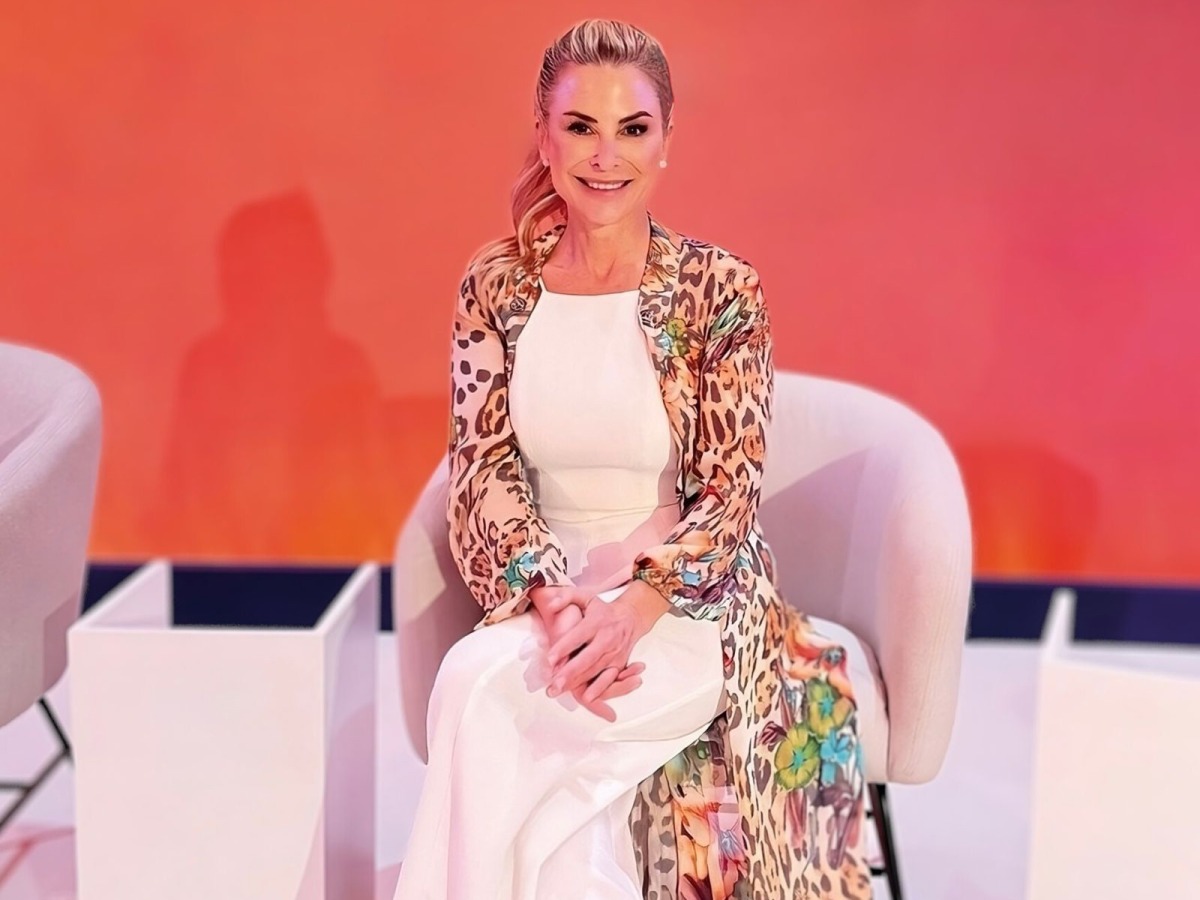
Speaking to The Peninsula on regional investment trends, Silvina Moschini, CEO of Unicorns Media, said governments in the Gulf are no longer passive participants in the startup ecosystem but are actively shaping it.
“Over the past few years, venture capital in the Gulf has moved from opportunistic funding toward strategic capital deployment aligned with national transformation agendas,” she noted. “Governments are no longer just observers of the tech economy, they are active architects of it.”
This shift is being driven by a growing alignment between public policy and private capital. Across the GCC, sovereign wealth funds, family offices, and institutional investors are increasingly channeling funds into sectors such as fintech, artificial intelligence, climate technology, and digital infrastructure.
“The shift is from funding startups simply because they are ‘tech’ to funding platforms that build long-term economic capabilities,” Moschini stated, highlighting the maturation of the region’s venture ecosystem.
Within this regional landscape, Qatar is emerging with a distinctive strategy. Rather than focusing on retail-driven cryptocurrency markets, the country is prioritising institutional-grade digital finance infrastructure. Moschini pointed to regulatory developments led by Qatar Financial Centre as a key example.
“Through the Qatar Financial Centre’s Digital Assets Regulations, the country is prioritizing tokenisation, smart contracts, and institutional digital finance infrastructure rather than retail crypto markets,” she said. “That signals a deliberate strategy like positioning Qatar not just as a startup market, but as a future hub for institutional-grade digital asset infrastructure.”
Industry observers in Doha say this approach reflects a broader effort to build sustainable competitive advantages in emerging financial technologies.
A Doha-based market analyst, Khalid Ali, noted that Qatar’s regulatory clarity is attracting serious institutional interest. “Qatar is playing a long game,” Ali said.
“By focusing on regulated digital assets and infrastructure rather than speculative retail activity, the country is building trust with global investors. That’s what will differentiate it in the next phase of fintech evolution.”
The experts identified three sectors likely to dominate venture capital flows in the Gulf over the next three to five years.
The first is digital finance and tokenised assets. These include tokenised securities, digital settlement platforms, and regulated stablecoins.
The second key area is AI-driven enterprise platforms. Governments across the region are accelerating the adoption of artificial intelligence across sectors such as logistics, healthcare, energy, and public services.
The third sector attracting increasing attention is climate and energy transition technologies. As major players in global energy markets, Gulf countries are investing in solutions related to carbon management, smart grids, and water sustainability.
“What makes the region compelling is that these sectors intersect with large sovereign capital pools and long-term national visions,” Ali explained.
“That reduces the typical venture capital friction between capital and scale.”
Ali added, “There is a clear connection between national priorities and investment flows here. Whether it’s digital finance, AI, or sustainability, capital is being deployed in areas that directly support the country’s long-term economic diversification goals.”