Doha, Qatar: The Ministry of Awqaf and Islamic Affairs has reinforced its commitment to human rights and the empowerment of persons with disabilities through a comprehensive package of initiatives and streamlined measures implemented during the first quarter of 2026.
This effort reflects the Ministry’s institutional vision to uphold human dignity, ensure equitable access to services, and promote inclusive participation across all sectors.
Various departments contributed to these achievements, demonstrating an integrated approach to supporting and empowering persons with disabilities.
In the area of institutional development, the Department of Islamic Research and Studies, in collaboration with the Information Systems Department, established a comprehensive database of employees with disabilities.
The database includes detailed information such as types of disabilities and job roles, with ongoing verification to ensure accuracy. This initiative supports informed planning and the development of effective policies.
The department also actively contributed to the Fourth National Human Rights Forum in January 2026, presenting a research paper on the role of religious awareness in combating drug abuse, rehabilitation, and reintegration. The participation highlighted the preventive and educational role of religious discourse in advancing human rights.
Meanwhile, the Human Resources Department focused on capacity building and partnerships. It coordinated with relevant entities to design specialised training programmes aimed at empowering employees with disabilities and improving workplace accessibility. Meetings were held with organisations including the Qatar Society for Rehabilitation of Special Needs and Qatar Career Development Centre to prepare tailored training initiatives, with further coordination underway for implementation.
The General Directorate of Endowments continued to provide periodic reports on projects supporting persons with disabilities, reflecting the sustainability of these efforts within its endowment programmes.
In a notable initiative, the Department of Islamic Affairs launched the “Mushaf Al-Rafiq” project for the visually impaired, producing 100 Braille copies of the Holy Qur’an, each comprising six volumes. Additionally, 100 talking pens were distributed to facilitate reading and interaction with the Qur’an, enhancing access to religious knowledge.
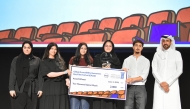
Efforts to promote inclusion extended to cultural activities, where the Sheikh Abdullah bin Zaid Al Mahmoud Islamic Cultural Centre supervised the schools’ competition within the Qatar International Arabic Calligraphy Contest “Al-Raqeem.” Four schools dedicated to students with disabilities participated, and 12 students were honoured, highlighting the Ministry’s commitment to nurturing talent and encouraging community engagement.
To further support inclusion, the Mosques Department introduced several procedural adjustments, including adding a dedicated field in job application systems for imams and muezzins to identify applicants with disabilities. It also provided assistants for visually impaired candidates during written tests, adjusted exam schedules to suit their health conditions, and granted them priority in scheduling.
On the community awareness front, Friday sermons addressed themes related to human rights and values supporting persons with disabilities, such as patience, compassion, and the impact of faith on mental well-being, contributing to broader societal awareness.
In terms of services, the Department of Hajj and Umrah enhanced its digital platforms, enabling persons with disabilities to complete procedures online without the need for in-person visits. The department also set requirements for licensed Hajj campaigns to ensure accessible accommodation, appropriate transportation, barrier-free pathways, and trained staff, while prioritising services to ensure safety and comfort.