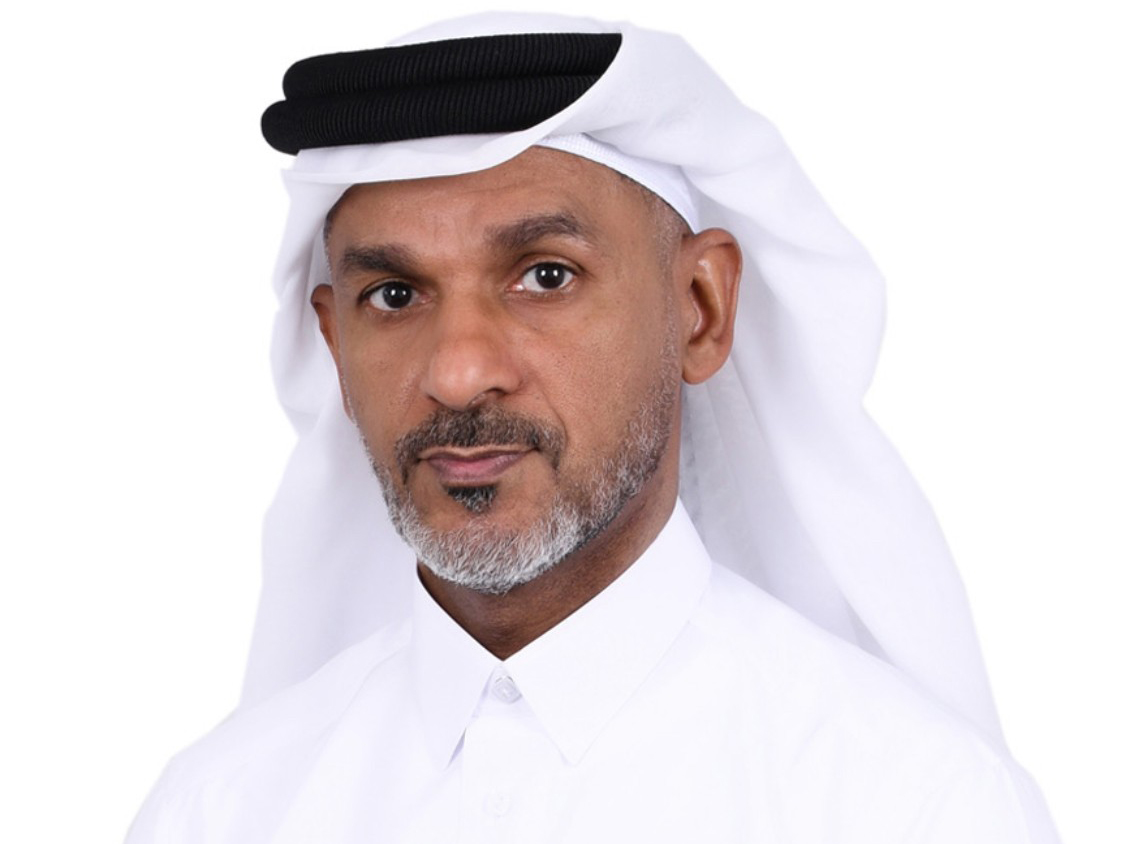
Executive Director of Student Services at Qatar Foundation (QF), Dr. Abdulnassir Al-Tamimi.
Doha, Qatar: Qatar Foundation’s new partnerships with Historically Black Colleges and Universities (HBCUs) in the United States will open fresh pathways for academic exchange, and build lasting bridges of understanding between Qatar and US through education, culture, and student engagement, according to Executive Director of Student Services at Qatar Foundation (QF), Dr. Abdulnassir Al-Tamimi.
The agreements, signed during the NAFSA 2026 Annual Conference & Expo in Florida, one of the world’s leading gatherings for international educators, pave the way for students from three HBCUs to study and engage with QF’s globally unique educational ecosystem in Education City.
Dr. Al-Tamimi told The Peninsula that the partnerships build on Qatar Foundation’s long-standing model of international collaboration through its six US branch campuses in Education City, while extending opportunities to a new group of students.
“These partnerships complement Qatar Foundation’s existing collaboration model by expanding the reach of Education City beyond our established network of international partner universities and creating new pathways for students from Historically Black Colleges and Universities to experience Qatar’s unique higher education ecosystem,” he said.
Under the agreements, HBCU students will be able to spend a full semester studying at one or more partner universities in Education City alongside students from Qatar and around the world.
“While our partner universities already offer study abroad opportunities, these are often designed mainly for students from their home campuses,” Dr. Al-Tamimi said. “This initiative opens a new door for students from three distinguished HBCUs in the United States to become part of the Education City experience.”
The partnerships will also feature short-term cultural immersion programs for students and faculty, introducing participants to Qatar’s history, traditions, arts, museums, sports scene, and educational institutions, while connecting them with the wider Qatar Foundation community.
Dr. Al-Tamimi described Education City as a distinctive environment where students can access world-class education while engaging with a highly diverse international community.
“Education City brings together some of the world’s leading universities, offering high-quality academic programs, world-class faculty, and a diverse student body representing more than 120 countries,” he said.
Beyond academics, students will gain exposure to Qatar’s growing role as a regional and global center for research, innovation, entrepreneurship, and dialogue. At the same time, they will experience Qatar’s cultural heritage and rapidly evolving creative and sporting landscape.
“More importantly, they will become part of a diverse and welcoming campus community where they can build meaningful friendships and networks with students from across the world,” Dr. Al-Tamimi said. “These experiences will help broaden their global perspectives and prepare them to become more confident, culturally aware, and globally engaged leaders.”
He emphasised that the initiative is designed to strengthen people-to-people ties between Qatar and the United States through direct engagement and shared learning experiences.
“Student exchange is one of the most powerful ways to create genuine people-to-people connections because it allows young people to learn with one another, live alongside one another, and better understand each other’s societies and experiences,” he said.
Dr. Al-Tamimi added that HBCU students would not only learn about Qatar’s development journey and culture, but would also contribute their own experiences and perspectives to the Education City community.
“This is especially meaningful because HBCUs have played a vital role in expanding access to education, advancing leadership, and shaping the African American experience in the United States,” he said.
According to Dr. Al-Tamimi, students returning from Qatar could serve as informal ambassadors, sharing their experiences with peers and communities back home, while students in Education City would gain a deeper understanding of the cultural and educational legacy of HBCUs.
He also highlighted the growing importance of student mobility and cross-cultural exposure in preparing future leaders to navigate an increasingly interconnected yet divided world.
“Education has a responsibility to bring people together, promote dialogue, and help students develop respect for cultures, perspectives, and experiences different from their own,” he said.
At Education City, students from more than 120 countries study, live, and collaborate together through academic projects, research, entrepreneurship initiatives, and extracurricular activities.
“These daily interactions help students develop empathy, cultural intelligence, adaptability, and the ability to work together despite their differences,” Dr. Al-Tamimi said. “These are not only academic skills; they are leadership skills.”
Looking ahead, Dr. Al-Tamimi said the agreements could lay the groundwork for broader institutional partnerships between Qatar Foundation, its partner universities, and HBCUs in areas such as research, faculty exchange, innovation, entrepreneurship, and community engagement.
“The study abroad and cultural immersion programs are an important first step, but the long-term vision is broader,” he said.
He added that reciprocal opportunities could eventually allow Education City students to visit HBCU campuses in the United States to learn more about their academic strengths, history, and cultural legacy. “Ultimately, these agreements are about more than mobility,” Dr. Al-Tamimi said.
“They are about building long-term relationships, expanding access to global learning opportunities, and creating platforms for meaningful collaboration between institutions that share a commitment to education, leadership, and human development.”