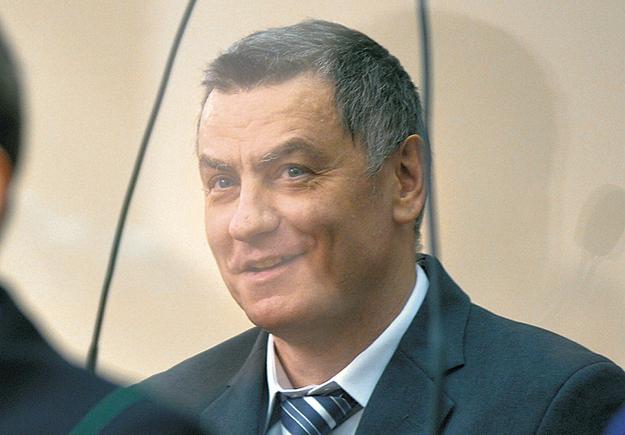

Warsaw: A Polish court on Monday sentenced a former chemistry professor to 13 years in prison over a plot to blow up parliament with a massive car-load of explosives.
Brunon Kwiecien, 48, who was said to have had a fascination with Norwegian mass murderer Anders Behring Breivik, was convicted of planning to assassinate the president, prime minister and lawmakers in 2012.
The former professor at Krakow's University of Agriculture in southern Poland had hidden four tonnes of explosives in a car which he planned to use during a parliamentary debate to be attended by then-president Bronislaw Komorowski among others.
"If Brunon Kwiecien hadn't been stopped, we would be talking amid the ruins of the state today," said judge Aleksandra Almert as she delivered the verdict in a Krakow court.
"All steps taken by Brunon Kwiecien related to the attack on parliament were driven by his wish to lead a revolution, to kill the president, cabinet ministers and lawmakers."
Donald Tusk, then prime minister and now EU chief, said at that time that Kwiecien "did not conceal his fascination with Breivik," the right-wing extremist who killed 77 people in a bombing and shooting rampage in Norway in July 2011.
Kwiecien, a nationalist without any obvious links to any political groups or extremists, was arrested in November 2012 after what the media said was a tip-off by his wife.
He was found to be in possession of TNT, gunpowder and other explosives as well as firearms, military helmets, bullet proof vests and fake drivers' licences.
Throughout the hearing, Kwiecien insisted he had fallen victim to "provocation" by Polish intelligence agents who had forced him to act.
But Kwiecien, who has the right to appeal the verdict, never denied having planned the attack, for which he tried to recruit two of his students.
"We cannot speak about provocation. It's enough to hear the accused and collect evidence. He was the mastermind behind every element of the attack," said Almert.
The case -- reminiscent of a plot to blow up parliament in Britain in 1605 -- was the first of its kind in ex-communist Poland.
AFP