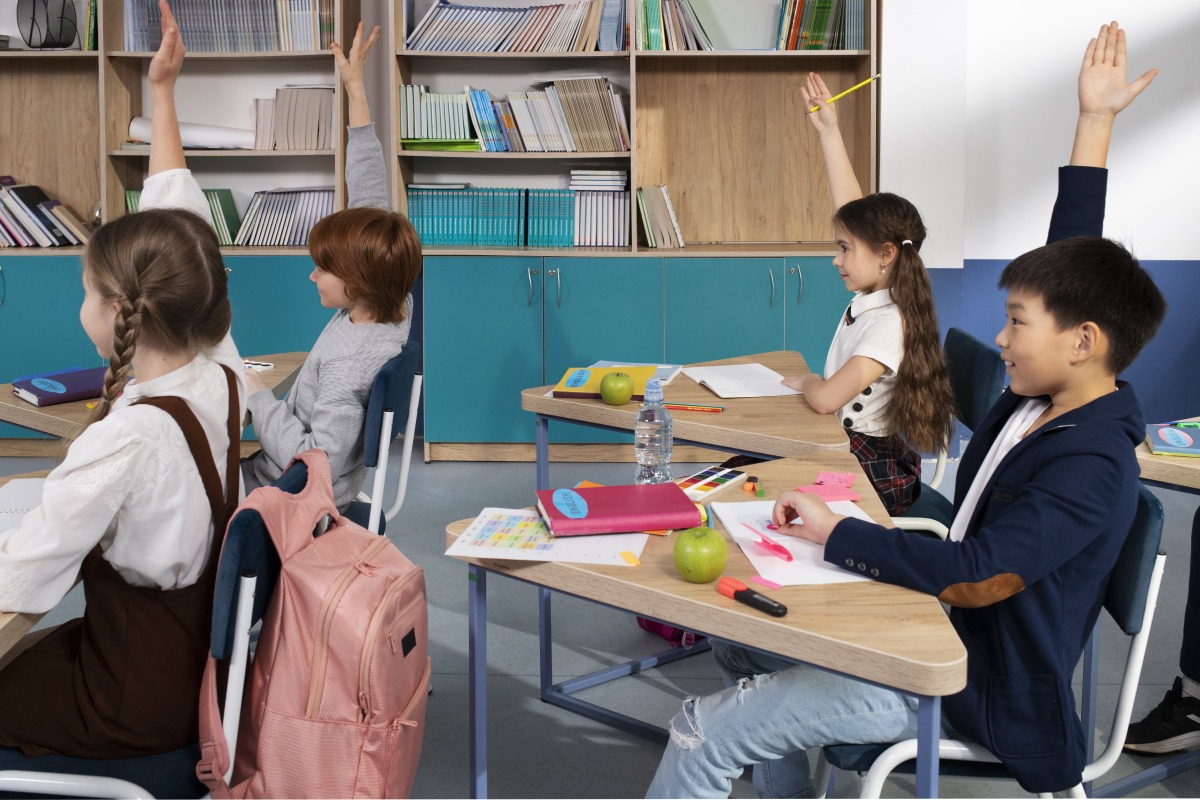
Representational file photo
Doha, Qatar: In Qatar and around the world, January 24 marks the International Day of Education, an observance established by the United Nations General Assembly in 2018 to recognise education as a cornerstone of peace, development, and social justice. The observance is more than symbolic. It is a reminder that without inclusive, equitable, quality education and opportunities for lifelong learning, societies cannot break cycles of inequality or empower future generations.
This year’s theme, “The power of youth in co-creating education,” places young people at the centre of the conversation. It acknowledges students not as passive recipients of knowledge, but as active contributors and agents of change capable of shaping classrooms, schools, and ultimately societies.
Across schools in Qatar, this shift is already visible. The Peninsula spoke to a cross section of educators and student leaders to explore how youth participation is influencing teaching methods, learning environments, and educational priorities across the country.
“At its core, education is a partnership,” says Principal of Birla Public School, Dr. Anand R Nair. “Students are not merely on a journey that is designed for them; they are active participants in shaping it.” According to him, students derive their voice through leadership roles, structured feedback mechanisms, and lived classroom experiences that value their perspectives. When students feel heard, education becomes something they imbibe, not endure.
Leadership opportunities such as serving as class leaders, prefect council members, or participating in forums like Model United Nations allow students to contribute to decisions related to wellbeing, school culture, and community engagement. This shared ownership, the principal believes, nurtures confidence and a holistic outlook.
“Catch them young,” he said. “Youth are the stakeholders and torchbearers. They bridge the present and the future.” His vision is of learners who grow into confident, compassionate, and purpose-driven individuals, grounded in values yet ready to spread their wings.
Inside the classroom, this philosophy translates into a noticeable transformation. “Today’s classrooms are no longer one-way spaces,” said a teacher at Shantiniketan Indian School, Nilafar Nisha Sanoof.
Gen Z learners constantly shape how lessons are planned and delivered, she explains, and their feedback, engagement levels, and learning preferences influence everything from teaching strategies and pacing to assessments.
“When students respond better to discussions, visuals, or collaborative tasks, teachers adapt. In many ways, students become co-creators of the learning experience,” she says. Their curiosity and questions push educators to design lessons that are interactive, relevant, and connected to real-world contexts.
Teachers nurture leadership and critical thinking by encouraging students to take initiative through group projects, debates, role-plays, and peer mentoring. Yet, sharing space in a learner-centred classroom is not without challenges. “The real balance lies between freedom and focus,” Nilafar observes. Such classrooms can be energetic, noisy, and unpredictable, but that chaos, she says, is often deeply productive. “It requires trust: stepping back without disengaging, guiding without dominating.” When done well, classrooms become living spaces, alive with ideas, debate, and discovery.
For students themselves, co-creating education is deeply personal. “It means being part of the learning process, not just following it,” said Head Girl of Loyola International School, Neha Karim. She believes students feel truly engaged when they are given opportunities to share opinions through discussions and projects. However, she notes that student voices are still limited when it comes to larger decisions such as assessment patterns or school policies.
“As young leaders, we want education to grow with us,” she said. For Neha, meaningful education goes beyond examinations. It should foster creativity, teamwork, critical thinking, and confidence skills essential for navigating an uncertain future.
As the world reflects on the International Day of Education, one message rings clear, when youth are empowered to co-create learning, education becomes more inclusive, relevant, and transformative. By listening to student voices and trusting them as partners, schools do more than teach, they prepare young people to build peaceful, just, and inclusive societies.
“Education is the most powerful weapon that you can use to change the world,” Nelson Mandela once said.