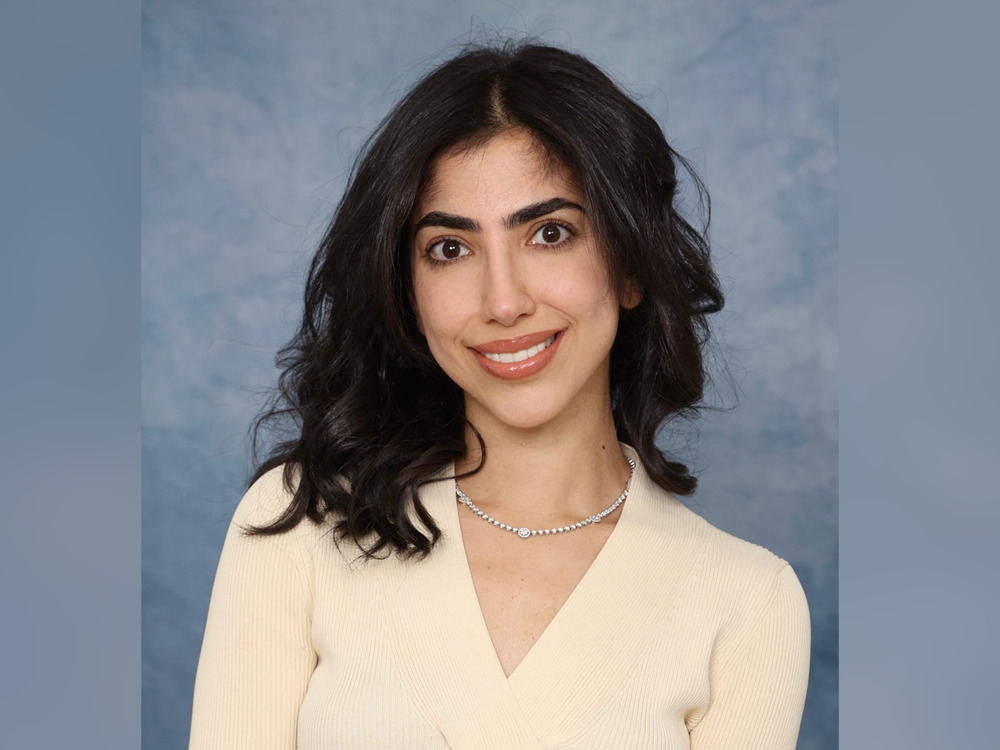
Doha, Qatar: Diala Steitieh spent much of her youth in Doha, Qatar, before graduating from Weill Cornell Medicine in Qatar and moving to New York to practice cardiology.
Her professional path has been marked by rigor, structure, and years immersed in academia, an environment defined by precision and protocol. But in 2024, Steitieh began listening to a quieter pull.
After years shaped by medicine’s demands, she found herself searching for something less structured, something that spoke the language of feeling rather than theory.
She tried painting. She tried running, even completing her first marathon. Eventually, poetry found her. And when it did, it stayed. What began as private scribbles became a steady practice. Through rhythm and language, Steitieh discovered a way to untangle the noise of thought and turn emotion into something tangible.
Poetry became a space where honesty met hope, and where deeply personal reflections often echoed the experiences of others.
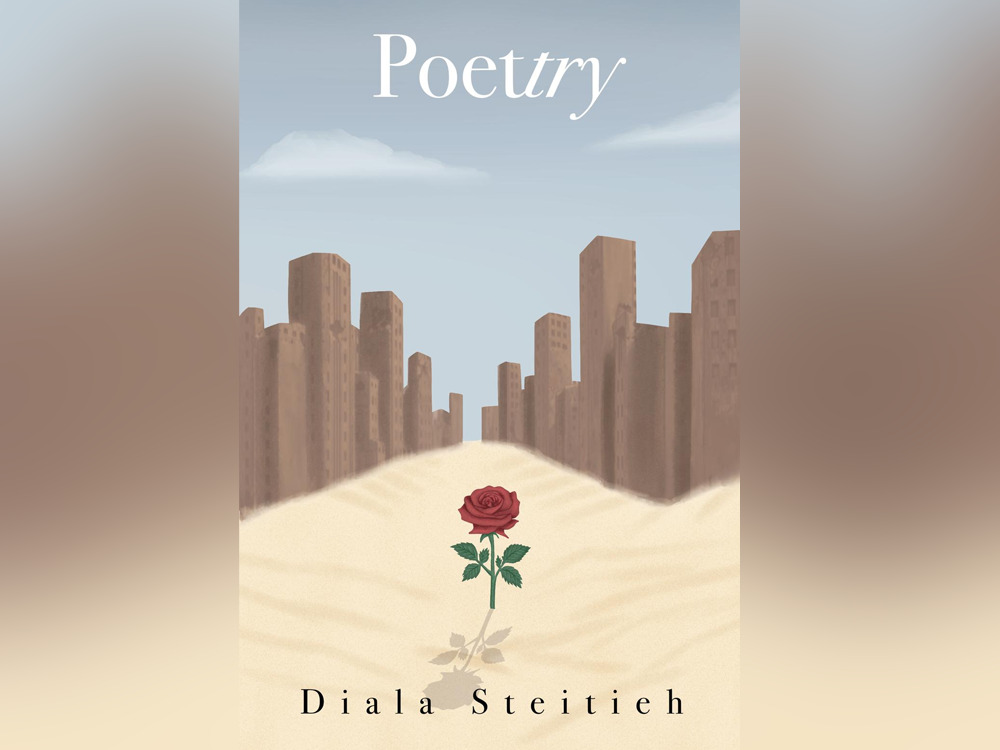
In April 2025, she performed her first public poetry reading, transforming what had once been private pages into a shared moment of connection. By November 2025, she pressed “save” on the final draft of her debut poetry collection.
In the book’s introduction, Steitieh is disarmingly direct. She does not claim the title of poet with certainty, but rather with humility.
Poetry, she writes, spoke to her when many other things could not. It revived an artistic side she feared had been lost somewhere between childhood creativity and adult responsibility. Her hope is simple and generous: that these poems might remind readers of a part of themselves they have neglected, and gently invite them back to it. “I’m not a painter or a dancer or a poet,” she writes, “but I’d like to pretend to be all those things.”
The collection is offered not as a declaration, but as an invitation, an encouragement to remember what once brought joy, and to pursue it again, even in a small way.
Steitieh’s journey from medicine to poetry is not about leaving one world behind for another. It is about integration: science and art, discipline and feeling, healing others and making sense of oneself.
Her book stands as a testament to the idea that creativity does not disappear, it waits. Steitieh’s debut arrives as a reminder that it is never too late to return to the origins of who you are. “This,” she writes simply, “is my small way.”