Doha, Qatar: The Supreme Judiciary Council (SJC) announced that it has completed more than 50 percent of the new designs for its permanent facilities project, which includes the Courts Complex in Lusail City and the headquarters of the Court of Cassation in the Wadi Al Sail area, as part of the national initiative for developing justice systems.
In a statement, the council highlighted that the designs were developed in collaboration with the Public Works Authority (Ashghal), as the overall project aims to establish a high-end operational model for courts in line with its 2025-2030 Strategy, which supports litigation, settlement and mediation pathways, the amicable division of estates, and the pursuit of digital justice pathways, while leveraging artificial intelligence technologies to streamline procedures and deliver timely justice.
President of the Supreme Judiciary Council and President of the Court of Cassation H E Dr. Hassan bin Lahdan Al Hassan Al Mohannadi said reaching this advanced stage of the design process represents a pivotal step towards executing the Council’s vision of upgrading the judicial environment.
The project is a strategic investment that goes beyond providing modern buildings to encompass the development of an integrated judicial environment that enhances procedural efficiency and responds to future developments in the scope of services, Al Mohannadi noted.
He heaped praise on the contribution of Qatar Plan, led by H E Sheikha Al Mayassa bint Hamad Al-Thani, to identifying the site for the new Court of Cassation headquarters on Khalifa Street in the Wadi Al Sail area, further reinforcing the integration of urban development and cultural identity.
The council selected the winning designs through an international architectural competition launched in 2023. The designs forge a balance between Qatari and Islamic heritage and modern architectural engineering while incorporating comprehensive sustainability standards, including a three-star GSAS rating.
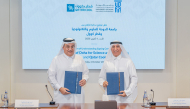
As part of the project, the Council worked with Qatar Museums to refine the interior design and formed a joint technical working team to examine the building’s artistic elements, particularly Islamic ornamentation and Arabic calligraphy.
The effort underscores the importance of reinforcing Qatar’s cultural identity throughout the design while reflecting the stature of the judiciary and the symbolism of the new judicial facilities.