In an exceptionally challenging year, PwC Middle East’s latest Family Business survey illustrates the extraordinary resilience and agility of family businesses in the region. While many have been impacted by the pandemic, they remain optimistic that growth will return.
The survey findings reveal that before the outbreak, 59 percent of family businesses were expecting to grow in 2020. But as a direct result of COVID-19, 56 percent are now experiencing a reduction in sales, compared with 46 percent globally.
It’s no surprise then that Middle East family businesses are more cautious about the speed of recovery in the short term – 59 percent expect revenue growth in 2021 compared with 64 percent globally – although they are more optimistic about 2022, with 89 percent expecting growth
Diversification on the agenda
It’s clear that family businesses, particularly those in the Middle East, see diversification as the key to success in the coming years. As part of this diversification strategy, 58% of Middle East family businesses are planning to expand into new markets or client segments, 47% are looking at introducing new products and services and 30% are pursuing strategic acquisitions or mergers – all this funded by bank lending, cash flow and family capital.
Transforming to thrive in the new world
Middle East also knows that to thrive in the future they must transform, which includes making full use of innovative digital technology. 75% say that digital, technology and innovation initiatives are a top priority for the next two years.
This acceleration of existing digital trends during the pandemic has increased the urgency for change. While family businesses have a solid foundation – 63 percent of Middle East family businesses say they have a strong leadership team in place, 70 percent agree that responsibilities are clearly set out and 60 percent say they have the liquidity they need to support agility – many still struggle to embrace change. Almost half (45 percent) said that there is a resistance within the company to do so.
Family values
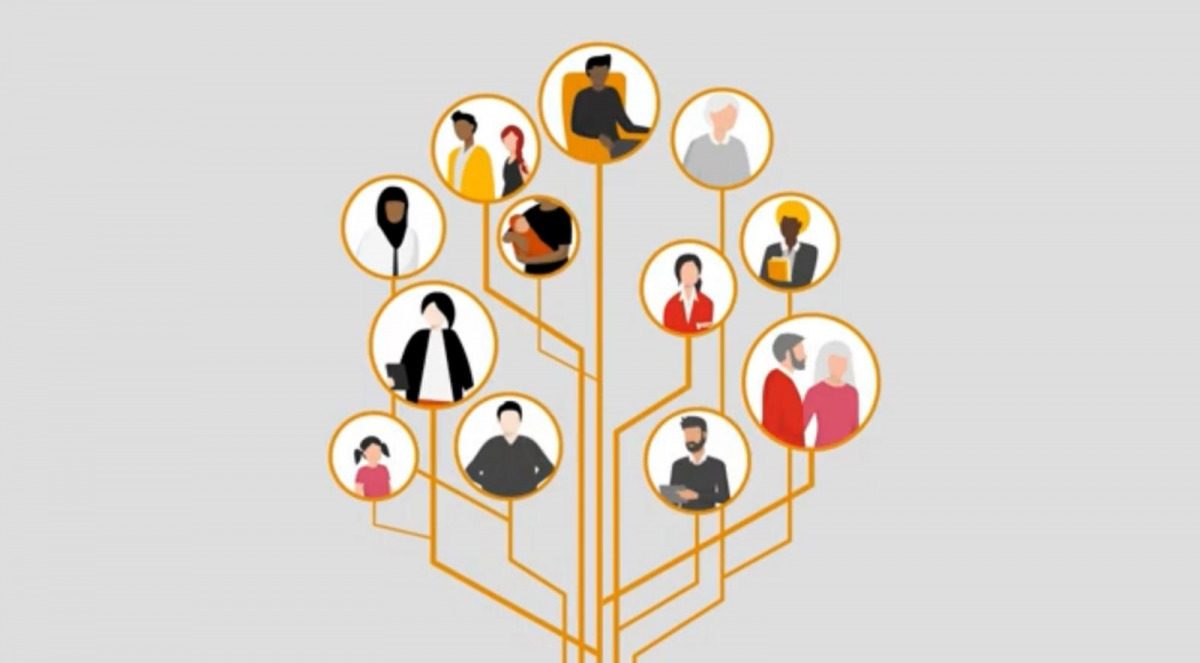
Values and purpose are the glue that holds family businesses together and are particularly important in large families once responsibility is passed down from the founder. 75 percent of businesses in the region (compared with 70 percent globally) are owned by families that have a clear set of values and the vast majority believe that these values helped them cope with the disruption of the pandemic.
Many family businesses in the Middle East are reaching a critical stage of succession. Overall, 65 percent in the region, compared with 55 percent globally, have NextGen family members working in the business and 33 percent have a robust, documented and communicated succession plan.
While incidences of family conflicts in the region have risen in recent years, overall, family businesses feel that trust and communication levels are good. But there are signs of unrest, with 47 percent saying that the family is aligned on the direction of the company and 48 percent agreeing that relevant information is shared in a transparent and timely way among family members.
Sustainability: translating ambition into action
Family businesses believe in giving back to the communities they serve and society as a whole. Overall, 93 percent of Middle East family businesses engage in some form of social responsibility activities. This commitment was seen clearly during the pandemic, when family businesses in the region were far more active than their global counterparts in supporting their staff, suppliers and local communities – 84 percent retained as many staff members as possible, 56 percent took action to support the local community and 45 percent provided financial support or loans to their staff.
The pressure on all businesses to contribute to a better society is increasing, bringing actions around a sustainability agenda into the spotlight.
Adnan Zaidi, Middle East Entrepreneurial & Private Business Leader: “Family businesses’ ability to take a long term view of investments puts them in an ideal position to lead the way on sustainable business practices – a role that 59% of family businesses in the Middle East say they are willing and able to accept. Reclaiming the agenda means translating family business’ longstanding commitment to community and society into concrete, visible action.”