Worshippers from across Qatar gather in the spirit of solidarity, resilience, gratitude, and unity.
Doha, Qatar: Eid celebrations across Qatar are unfolding in a spirit of resilience and unity, as citizens and residents come together to observe the festive occasion despite the backdrop of ongoing regional tensions.
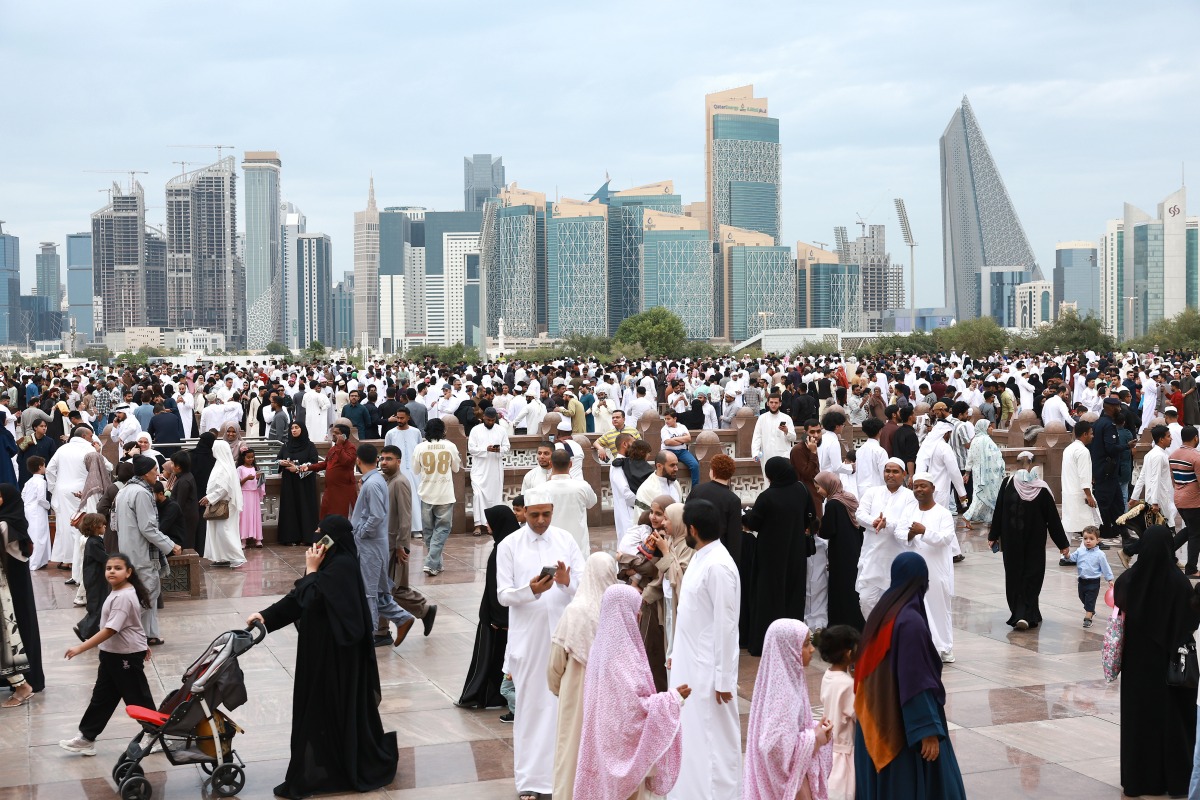
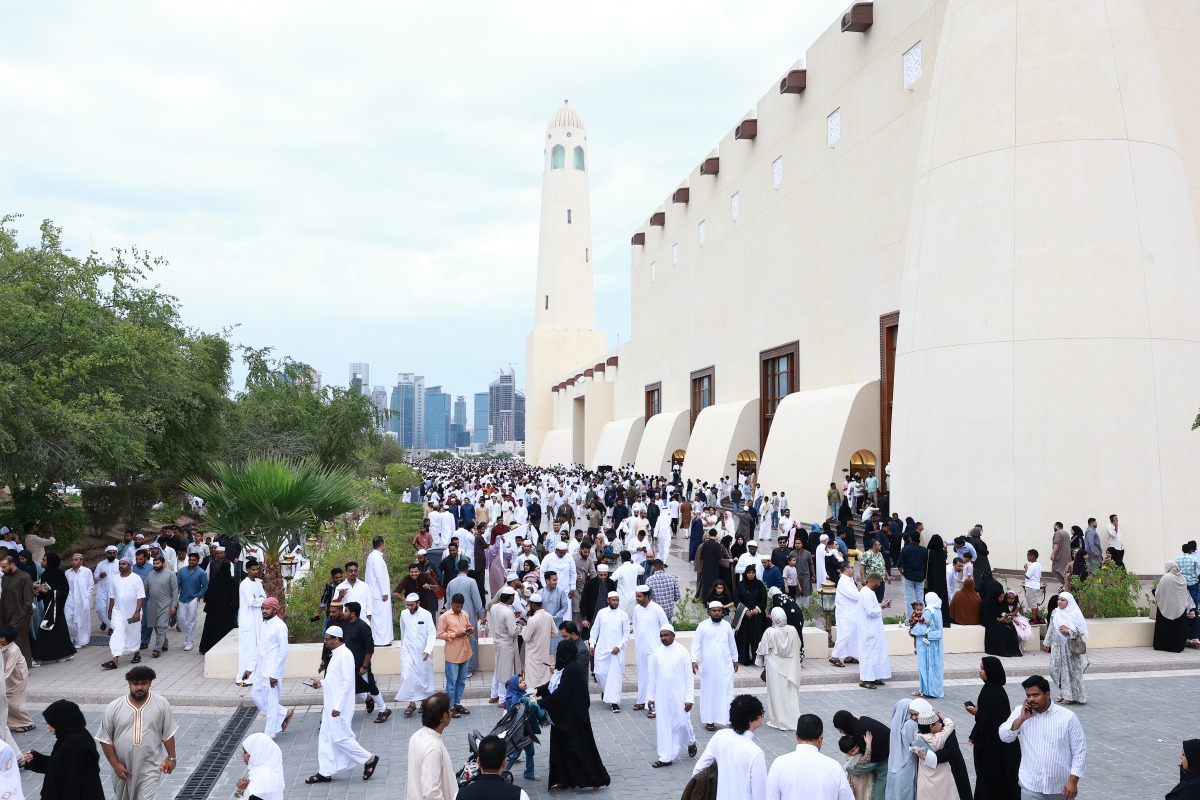
Eid prayers, held indoors yesterday at designated venues such as the Education City Mosque and the Abdulla Bin Zaid Al-Mahmoud Islamic Cultural Center (Fanar), drew thousands of worshippers. Citizens and expatriates in flowing abayas, embroidered kurtas and traditional thobes lined up shoulder to shoulder, reciting takbir in unison.
The Ministry of Endowments and Islamic Affairs (Awqaf) had limited prayers to enclosed spaces for safety, a precautionary measure reflecting the heightened security protocols across the Gulf.
While the regional situation has prompted heightened awareness, it has not dampened the essence of Eid, which remains centred on togetherness, gratitude, and charity. Many residents expressed a determination to maintain a sense of normalcy while staying mindful of developments.
Across Doha, festive activity has been evident in public spaces, shopping destinations, and cultural hubs. Areas such as Souq Waqif have been bustling with visitors enjoying traditional cuisine, live performances, and the vibrant atmosphere that typically accompanies Eid.
Speaking to The Peninsula, Dr. Adnan Fahad Al Ramzani Al Naimi, a Qatari, said, “The current regional crisis has not diminished the spirit of the festival, and we are pleased to have celebrated another Eid following the successful conclusion of the holy month of Ramadan.”
“We owe this to the wise leadership of Qatar, which has ensured the safety of the nation and the smooth continuation of events as anticipated. May we enjoy many more of these magnificent occasions in the future,” he further remarked.
Pakistani expatriate Ahmed Khan, a long-time Doha resident working in construction, described the morning as “a reminder of blessings we often overlook”. “Back home, Eid is about big family feasts and village gatherings, but here we adapted. We prayed at a nearby mosque, then shared sheer khurma and dates with neighbours from India and the Philippines. Qatar gave us peace when the region faces uncertainty,” he said.
Similar sentiments echoed among Filipino families. Amalia Santos, a mother of two employed in healthcare, had cancelled a long-planned trip to Georgia and Armenia due to flight suspensions. “We booked a staycation instead. The children are happy with mall activities and homemade feasts. In the middle of all this, Qatar feels like a safe haven,” she noted, echoing the experiences of many overseas workers who form the backbone of the country’s vibrant multicultural fabric.
From the bustling streets of Doha to residential neighbourhoods in Al Wakrah and Al Khor, the festive atmosphere remains vibrant as thousands of expatriates gather with family and friends to observe one of the most significant occasions in the Islamic calendar.
Shopping malls, traditional souqs, and community centres have witnessed a surge in activity in the days leading up to Eid. Popular destinations such as Souq Waqif and Place Vendôme Mall have been abuzz with residents purchasing traditional attire, gifts, and festive delicacies, while restaurants prepare special menus catering to diverse cultural tastes.
For many expatriates, Eid in Qatar offers a unique blend of tradition and multicultural exchange. African, Asian, and Arab communities alike have organised gatherings that showcase their heritage through food, music, and communal prayers.
“We may be far from home, but Qatar has given us a place where we can celebrate together,” said a Hakeem Ajibade, Nigerian resident in Doha. “Eid here feels like a meeting point of cultures.”
Community organisations and embassies have stepped up efforts to ensure that expatriates, particularly those without immediate family in the country, are not left out of the celebrations. Cultural associations have hosted Eid events featuring traditional dishes, performances, and activities for children, reinforcing a sense of belonging among residents.
At the same time, the ongoing regional crisis has subtly influenced the tone of this year’s festivities. While celebrations continue, many residents expressed a sense of caution and mindfulness, with prayers and conversations often reflecting hopes for stability and peace in the region.
Retailers and hospitality providers have adapted to the circumstances, maintaining festive promotions while emphasising safety and comfort. Hotels and eateries have reported steady bookings for Eid brunches and gatherings, albeit with a more subdued atmosphere compared to previous years.
Authorities have also ensured that public spaces remain welcoming and secure, enabling families to celebrate without disruption. Parks and waterfront destinations, including the Doha Corniche, have seen families enjoying the holiday with picnics and evening outings.
For expatriates, the essence of Eid in Qatar lies not only in celebration but in community. Acts of charity, a cornerstone of the occasion, have been widely observed, with residents donating to local initiatives and supporting those in need.
“Eid is about giving and sharing,” said Lukman Abdullah, an Indian expatriate. “Even in uncertain times, people here come together to support each other.”
As Qatar continues to navigate regional developments, the spirit of Eid serves as a reminder of the country’s social cohesion and cultural diversity.