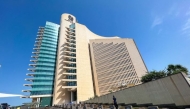
The 2019 Shenzhen Smart City Forum with International Friendship Cities opened recently with the theme ‘ushering in a bright future for smart cities’. The forum brings together Shenzhen officials, Huawei executives and smart city experts, UN-Habitat experts and scholars, delegates from cities around the world with smart city experience, as well as high-tech enterprises to share their latest development concepts and practices. The forum aims to promote communication and cooperation in building smart, digital cities.
During the event, Guo Ping, Huawei Rotating Chairman, discussed the Maslow model for smart city construction. He said: “Huawei is dedicated to building a smart city digital foundation that enables integrating, exploring, analyzing, and sharing data, by using ubiquitous connectivity, a digital platform, and pervasive intelligence.
More importantly, we develop a digital brain for cities in hand with application partners, building a common ecosystem with mutual advantages. This brain will provide advanced ways to help cities make informed development decisions and will allow e-government, transportation, and policing domains to go digital. In doing so, we hope to build smart cities featuring smart administration, more benefits for residents, and prosperous industry development.”
In his speech ‘A New World of Smart Cities’, Ugo Valenti, CEO of Smart City Expo World Congress, also said: “Innovative technologies, including 5G, IoT, AI, and cloud, are disruptively renovating how cities are governed and managed. By nurturing Public-Private-People Partnerships, a co-creation model among government, corporations, and citizens, smart cities will facilitate a more open decision-making process, and bring a people-centric new world.”
The highlight of the opening ceremony attracted attendees from government departments, enterprises, and the academic community. The panel explored emerging technologies, how to construct big-data-based city ICT infrastructure to safeguard public security and order, and how to enhance modern city governance, public welfare, and economy by leveraging digital services and a disruptive digital brain. The result will be better smart cities with active smart economies.