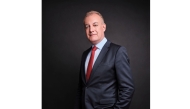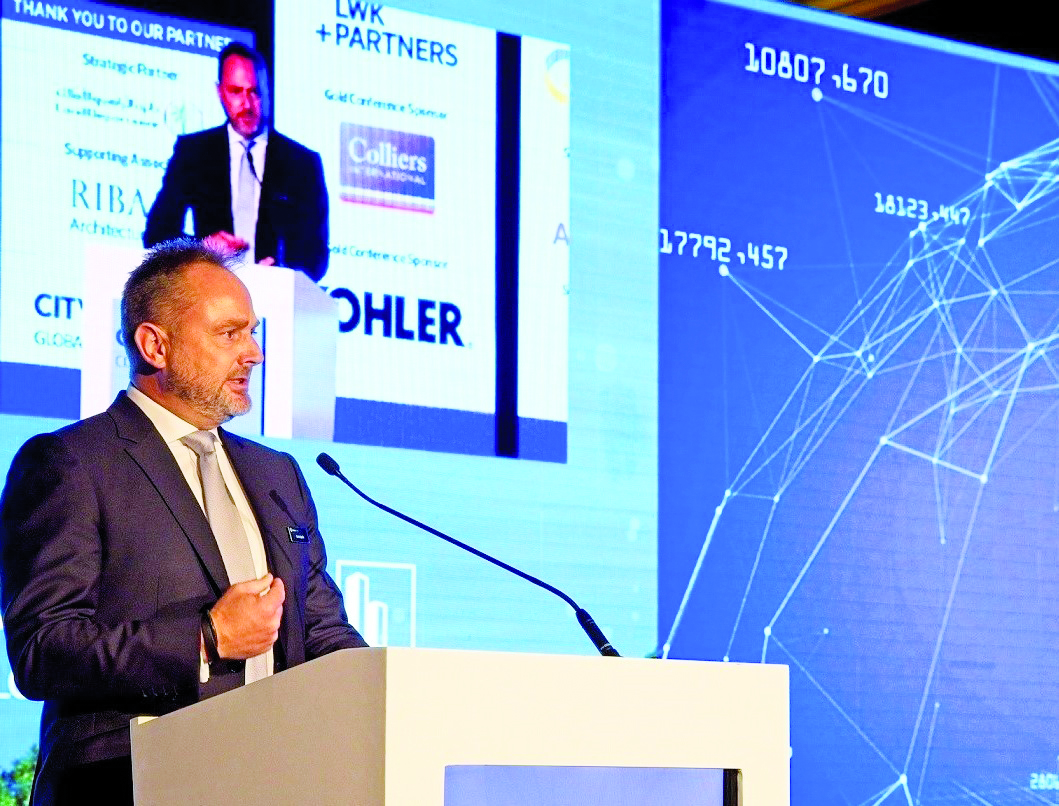
Cityscape Group Director Chris Speller
Doha: Qatar’s property market is seen moving from a rental-based to a sales-based economy amid government incentives that attract both local and international investors, Cityscape Group Director Chris Speller has told The Peninsula.
According to Speller, the country is currently benefiting from a boost in market sentiment following the normalisation of regional ties, the fast pace of Qatar’s COVID-19 vaccine programme, the upcoming FIFA World Cup 2022, its successful 2030 Asian Games bid, optimistic World Bank economic forecasts, bullish Qatar Stock Exchange (QSE) trading, as well as rising liquified natural gas (LNG) prices and the country’s planned expansion of LNG exports.
“In addition to this, several developments, such as the sustainable urban Lusail City destination and its Lusail Seef waterfront, are among those attracting interest from buyers and investors, both locally and internationally. And, with Qatar opening its property market to foreigners and rewarding investors with permanent residency, the residential market will likely move from a rental-based, to a sales-based economy,” said Speller.
He added: “Despite what was considered by most as a bearish year for the real estate market, Qatar’s medium-to-long term prospects for both the residential and industrial sectors are promising. This is largely due to the range of government incentives recently activated, the imminent hosting of the FIFA World Cup 2022 – which will provide great exposure for Qatar as a place to visit, live and work – and an increased economic diversification strategy with mature investment vehicles such as real estate investment trusts (REITs) looming on the horizon. All of these will boost confidence in the market both locally and internationally”.
Speller reiterated the World Bank’s forecast that Qatar will experience economic growth of 4.1 percent for the next year rising to 4.5 percent in 2023 – which is the highest projected growth in the GCC.
“Qatar is also advancing in terms of manufacturing, logistics, events, and tourism industries which will bring an influx of white collar and blue-collar workers needed to service them. These newcomers, of course, will all need accommodation, leisure, service, and entertainment opportunities,” he added.
Speller said that elsewhere, the demand for warehousing facilities from the manufacturing and logistics sector is growing as Qatar’s free zone and industrial zone propositions pick up speed. At the same time, the country’s digital transformation agenda is heightening the growth of e-commerce and tech-companies who all require warehousing and data centre space.
Speaking about the impact of the pandemic to the local and global real estate market, he said: “The real estate sectors, both locally and globally, were obviously impacted. Sales were hit as lockdowns took hold and in Qatar, this, combined with an increased market supply of new properties, slowed investor rental returns. However, there are signs that a reboot is underway.
“The lockdown period has prepared Qatar’s real estate market for an expected boom. With many investors and prospective homebuyers saving money during this time, there has been a considerable growth of buyers ready to enter the market and descend on the increased supply of new units,” added Speller.
He said that on an international level, buyers are now revisiting their requirements in terms of both commercial working space and residential living requirements. There is a new-found priority on space over luxury and in terms of the commercial sector, the work-from-home era could lead to a reduction in the size of office rental space countered by an upswing in demand for serviced office accommodation, he added.
Speaking about the 9th Cityscape Qatar exhibition and conference, which will run from October 17-19 at the Doha Exhibition and Convention Center (DECC), Speller said the upcoming edition will be the first time in almost two years since key players from the real estate industry have gathered at a live and in-person event.
He said: “Many developers and estate agents also use Cityscape Qatar as an opportunity to showcase both new projects and event-specific deals for investors attending. The majority of our exhibitors are Qatari homegrown brands as a key focus of Cityscape Qatar will be attracting prospective investors from overseas. And the likes of Barwa, Qetaifan Projects, Qatari Diar and United Development Company will offer a multitude of properties in asset classes such as residential, hospitality, commercial, retail and industrial”.
Speller added that Cityscape Qatar is also partnering with the Qatar Tourism to align on the development and promotion of investment opportunities across the tourism sector.
He added: “There’s certainly a desire to get back to business not just for the real estate industry but for the entire country. For organisations that deal with international clients, re-engaging with their audiences is a top priority. And with restrictions on travel easing, Informa Markets has proven its ability to host safe and hygienic shows, and we are excited to be bringing back Cityscape Qatar.
“In 2019, Cityscape Qatar attracted over 9,000 visitors from more than 55 countries in one of the largest international showings in the show’s history. And while there are still restrictions on international travel, we believe there will be a healthy turnout of prospective investors, buyers and industry professionals from within the country and the wider Middle East region,” said Speller.
He added that a digital platform has also been made for this year’s Cityscape Global event. Exhibitors from Qatar will also have access to this new hybrid model and will be able to take advantage of its month-long digital networking capabilities and attend industry-led seminars.