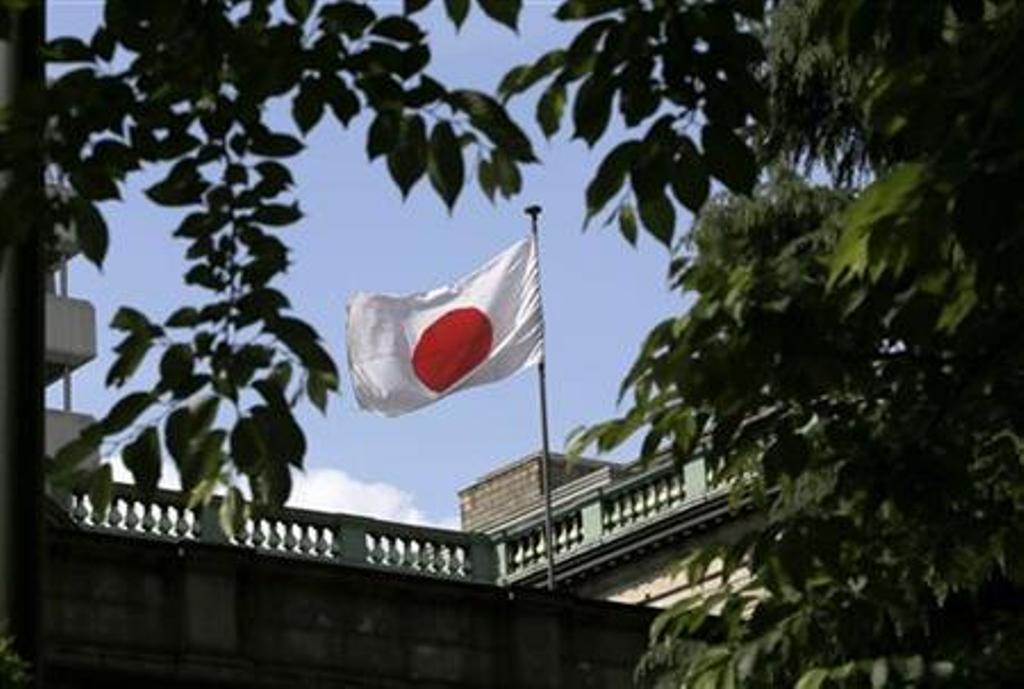
File Photo
Tokyo, Japan: Japan's parliament on Tuesday, April 7, 2026, approved a record JPY 122.31 trillion ($767 billion) budget for the fiscal year through March, in a first in 11 years that the annual spending plan was not enacted before the April 1 start of the fiscal year.
The budget reflects Prime Minister Sanae Takaichi's push to expand public spending to support growth, but includes no targeted measures to cushion rising energy costs or potential fallout from tensions involving Iran, prompting opposition calls for a supplementary budget.
The plan cleared the House of Councillors despite the ruling coalition led by the Liberal Democratic Party lacking a majority in the chamber, with support from some opposition lawmakers. It had already been approved by the House of Representatives, which has the final say, on March 13.
The general account budget rose to a record for a second straight year, driven by higher social welfare costs tied to Japan's rapidly aging population, alongside a record JPY 9.04 trillion allocation for defense.
Despite higher revenues, the government plans to issue JPY 29.58 trillion in new bonds to cover the deficit, highlighting Japan's continued reliance on borrowing and its weakest fiscal position among G7 economies.
Budget deliberations were delayed by about a month after Takaichi called a snap election in January. While the ruling bloc pushed the plan swiftly through the lower house following its election win, opposition resistance in the upper chamber slowed final approval.
Lawmakers had approved a temporary JPY 8.56 trillion budget on March 30 to fund government operations for 11 days from April 1, marking Japan's first interim budget since 2015 under Shinzo Abe. The stopgap measure will be folded into the full-year budget.
The interim funding covered essential spending, including social welfare, and included new policies such as expanded tuition subsidies for private high schools.
Under Japan's constitution, the budget could have been enacted automatically if the upper house failed to act within 30 days of its passage by the lower chamber, or by April 11. The government, however, opted to secure approval through a formal vote.