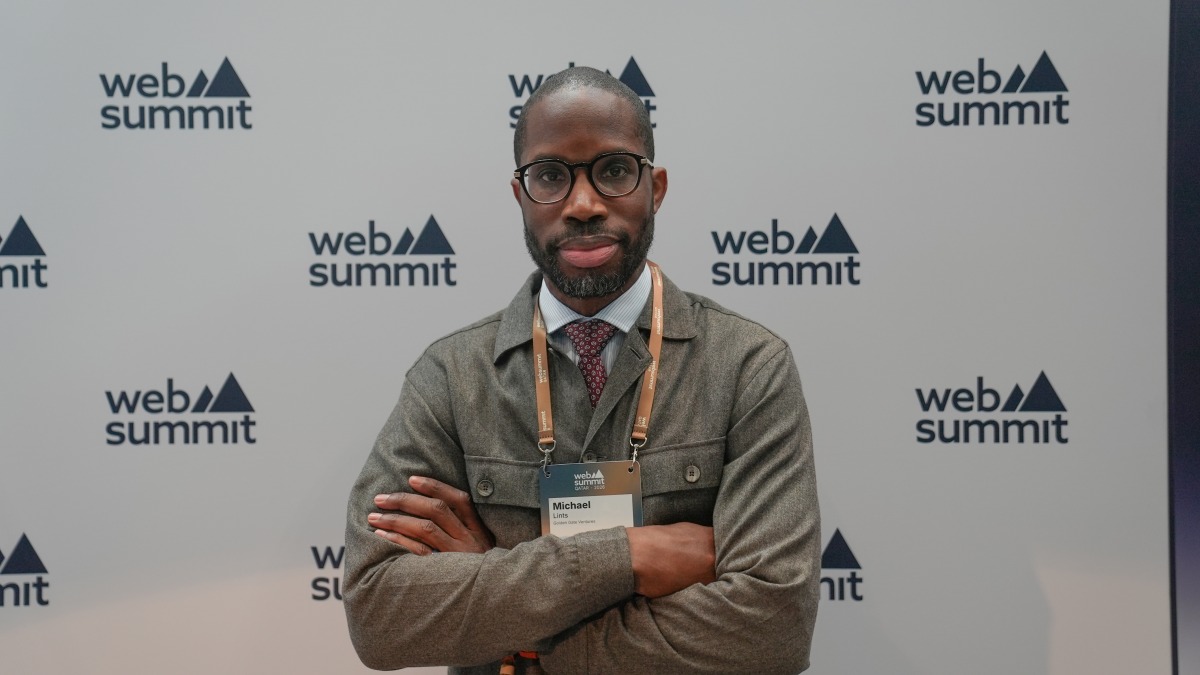
Michael Lints, partner at Golden Gate Ventures,
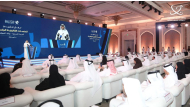
Doha, Qatar: Venture capital interest in the Middle East is increasingly gravitating towards both the earliest and later stages of company building, an official has said, sharing insights at this year’s Web Summit Qatar on the evolving investment landscape across the region.
According to Michael Lints, partner at Golden Gate Ventures, the current market shows strong availability of capital at the Series A level, where many regional and international funds are already active.
“There’s a big opportunity emerging for funds to focus on investments from MVP to seed, as well as at Series B and beyond,” Lints told The Peninsula.
“We are seeing an incredible number of founders here with strong traction, but when they reach the next stage, there are still very limited choices for value-add investors in the region.”
He noted that sub-$500,000 investments remain a largely untapped sweet spot, particularly as new startup ideas flow from universities, corporate spinouts, and first-time founders entering the ecosystem.
At the same time, growth-stage companies often struggle to find investors locally who can support regional and global expansion.
Lints stated that global venture firms like Golden Gate Ventures view emerging ecosystems such as the Gulf as strategic entry points, especially where government backing is strong and private-sector maturity is still developing.
“Entering early allows you to become part of the fabric of the ecosystem,” he said. “You can help build and cultivate it, which benefits both founders and investors. It also puts you in a position to support foreign companies that want to land and scale in the region, because you’ve already built that local experience.”
Speaking ahead of his session at the Summit, Lints emphasised that the GCC and Qatar in particular are becoming increasingly difficult for global investors and founders to ignore. He pointed to recent announcements around expanded capital allocation for fund managers as a signal of continued momentum.
While artificial intelligence remains a dominant theme, Lints said the country has the potential to serve as a base for building globally competitive companies, as well as a launchpad for international firms expanding into the region.
He said, “The conversation isn’t just about building for Qatar; It’s about building for the region and, ultimately, for the world.”
He highlighted early signs of this shift, citing healthcare startups exploring expansion into the United States and aviation companies targeting European markets. In his view, sectors such as AI infrastructure, healthcare, food security, and quantum computing represent significant opportunity areas, with the latter still underestimated and underinvested.
“We are very bullish on seeing more development come out of this region,” Lints said, adding that the ongoing Summit provides a critical platform for aligning founders, investors, and policymakers around the next phase of growth.