National Sport Day in Qatar is no longer just a date on the calendar. In fact, it has become a reflection of how deeply sport is woven into the country’s identity and future vision. Since the Amiri Resolution No. (80) of 2011 designated the second Tuesday of February as a national celebration of physical activity, the occasion has grown into a powerful statement that health, sports, and community are national priorities.
What makes National Sport Day distinctive is that it goes beyond symbolism. From its first celebration in 2012, the day was designed to address real challenges, particularly the health risks linked to sedentary lifestyles such as heart disease and diabetes.
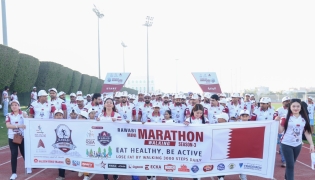
Today, that purpose feels more relevant than ever. Parks, stadiums, clubs, and neighborhoods transform into lively spaces where people of all ages and abilities take part in sports, not as spectators, but as active participants.
The wide range of activities from football, cycling, and swimming to traditional games highlights both modern ambition and cultural heritage. This balance is important.
While Qatar has earned global recognition for hosting and organizing major international sporting events, National Sport Day brings the focus back to the individual and the community. It reinforces the idea that sport is not reserved for elite athletes or grand stadiums, but is a way of life accessible to everyone.
Recent infrastructure developments, including the renovation of neighborhood fields and youth center facilities, further demonstrate that this commitment is not limited to one day a year. By investing in local sports spaces and professional-grade facilities, the state ensures that the spirit of National Sport Day can continue throughout the year, embedded in daily routines.
Ultimately, National Sport Day is a reminder that progress is not measured only by infrastructure or international accolades, but by healthier habits, stronger communities, and a society that understands that physical and mental well-being are foundations for sustainable success.