Abu Dhabi: The State of Qatar has proposed the establishment of a shared digital training platform for Arab news agencies to help journalists develop modern media skills and adapt to rapid changes in the news industry.
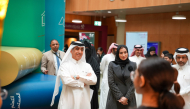
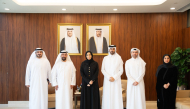
The proposal, introduced by Qatar News Agency (QNA), was discussed at the 52nd General Assembly of the Federation of Arab News Agencies (FANA), hosted by the UAE’s National Media Authority in Abu Dhabi, with representatives from member agencies attending.
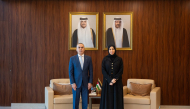
The State of Qatar was represented at the meeting by QNA Director-General Ahmed bin Saeed Al Rumaihi.
The proposed initiative, titled Digital Platform for Developing Modern Journalism Skills, aims to provide specialised and regularly updated training in digital journalism, multimedia production, cybersecurity, data protection and investigative reporting. It also seeks to help journalists use artificial intelligence tools to gather and verify information and analyse data more efficiently.
According to the proposal, the platform would strengthen professional standards across member agencies, encourage the exchange of expertise and improve journalists’ ability to respond to technological developments. It would also address information security risks, including cyberattacks and disinformation.
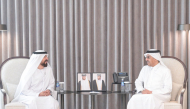
The meeting also elected Secretary-General of the UAE’s National Media Authority Mohammed Saeed Al Shehhi as FANA president for a two-year term. In his opening address, Al Shehhi said Arab news agencies had a strategic responsibility to highlight the region’s developments and achievements to international audiences and strengthen their position as trusted sources of information.
He said the ambition should go beyond keeping pace with changes in the media landscape to helping shape its future through greater cooperation among Arab news agencies.
Al Shehhi also stressed that the influence of news agencies should be measured not by the volume of material they publish, but by the knowledge they contribute and the trust they earn.
The assembly also discussed adopting a common protocol for Arab news agencies covering terrorism-related stories. The proposed guidelines are intended to ensure responsible and professional reporting and prevent media outlets from being exploited as propaganda platforms by terrorist groups.
Another proposal concerned the publication of a guide to editorial standards for media work in Arab countries in foreign languages. It would include clear rules discouraging references to religious or sectarian affiliations in news reports except where strictly necessary.