Doha, Qatar: Qatar is strengthening the integration of children with disabilities into the public education system through specialised schools, inclusive education programmes and early intervention services, ensuring that students receive educational and rehabilitation support according to their individual abilities and needs.
The Ministry of Education and Higher Education (MoEHE) provides different educational pathways, including inclusive education schools and Al Hidaya specialised schools, with placement decisions based on assessments of each child’s capabilities and the level of support required.
Director of the Special Education and Inclusive Education Department at MoEHE Amina Al Mulla said the ministry is committed to integrating students with disabilities into government schools while ensuring that those requiring intensive support have access to specialised educational and rehabilitation services.
Speaking to Qatar TV recently, Al Mulla explained that inclusive education schools have dedicated sections attached to mainstream schools, where students receive academic support while interacting and learning alongside their peers. She said that students in these schools also participate in various activities with other children, including visual arts, physical education and computer classes, as well as morning assemblies and break times.
Al Mulla said that this enables them to benefit from both academic learning and social interaction within the mainstream school environment. She added: “Al Hidaya schools, meanwhile, cater to children who require more intensive support. They provide comprehensive services covering educational, psychological, occupational and physical rehabilitation, alongside other specialised interventions.”
Al Mulla said the aim is to develop children’s abilities through these services and prepare them for eventual integration into inclusive education schools whenever their individual needs and capabilities allow. Explaining the admission process, Al Mulla said student registration initially takes place through the ministry’s electronic portal.
She said that if concerns about a child’s development or learning abilities are identified, the child may be referred from a health centre to the Student Support Services Centre affiliated with the ministry. Al Mulla said that the centre operates in cooperation with Hamad Medical Corporation (HMC), with specialised medical professionals and multidisciplinary teams from the education sector working together to assess children. She said that while HMC specialists undertake the medical diagnosis, the ministry’s team evaluates the child’s educational abilities and support requirements to determine the most suitable learning environment.
She said that the assessment process helps distinguish between different conditions and identify the actual educational services a child requires, ensuring that placement decisions are based on individual needs rather than assumptions.
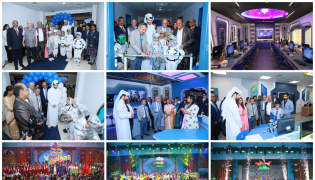
Highlighting the importance of early intervention, Al Mulla spoke about Al Jiwān Kindergarten, inaugurated last year through a partnership between the Ministry of Education and Higher Education, the Ministry of Public Health and HMC.
She described the facility as an integrated model of cooperation between the education and health sectors, bringing educational, therapeutic and rehabilitation services together under one roof. Al Mulla said that the kindergarten operates through two complementary units. “The first provides educational services for children under the MoEHE, while the second delivers therapeutic and rehabilitation services through the health sector.” She said that this arrangement allows children to receive educational and therapeutic support in the same location, facilitating coordination among specialists and ensuring that their different needs are addressed in an integrated manner.