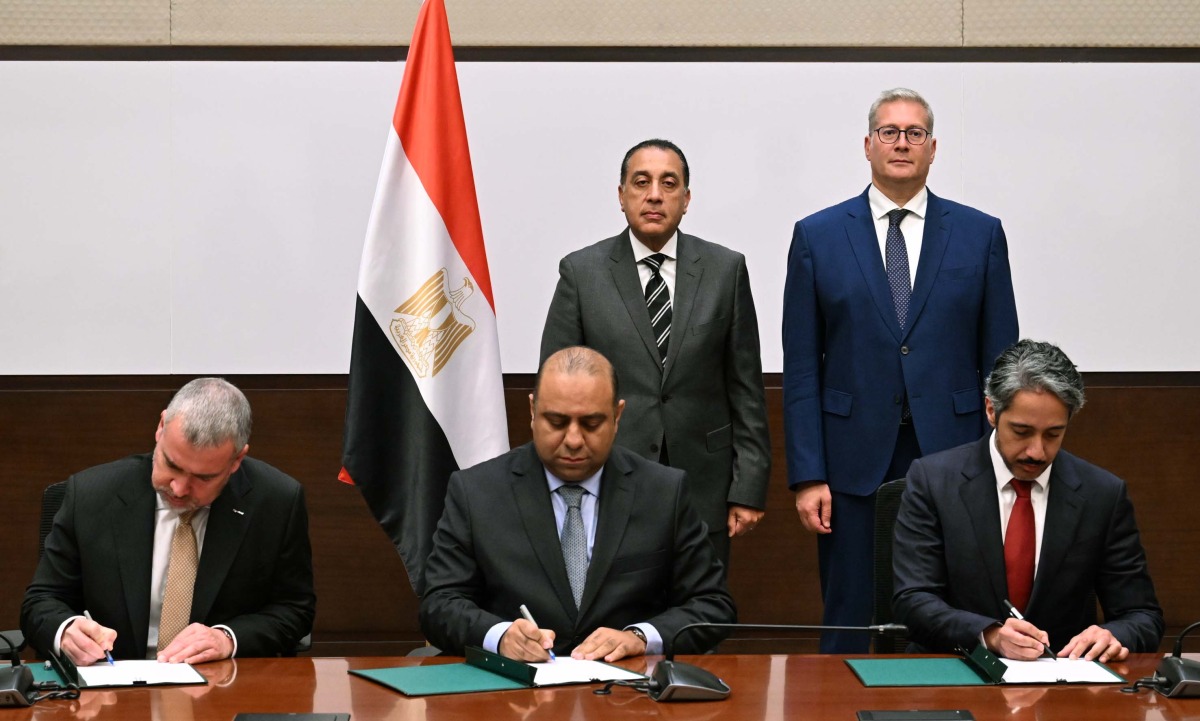
Doha, Qatar: QatarEnergy signed a Memorandum of Understanding (MoU) with the Government of the Arab Republic of Egypt and ExxonMobil to study enabling the potential development and commercialization of gas discoveries in Cyprus through Egypt’s existing gas and LNG export infrastructure.
The MoU enables the three signatory parties to study future growth opportunities and flexible commercial frameworks in light of Egypt’s position in the region and its gas infrastructure, which serves both domestic consumers and global markets. It highlights Egypt’s role as a potential hub for Eastern Mediterranean gas, supporting deeper integration between Egypt and Cyprus in the field of natural gas while optimizing the utilization of existing infrastructure.
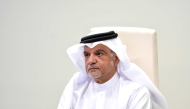
Commenting on the MoU signing, His Excellency Saad Sherida Al-Kaabi, the Minister of State for Energy Affairs, the President and CEO of QatarEnergy, said: “This MoU represents an important step in advancing regional energy cooperation across the Eastern Mediterranean through unlocking the long-term commercial potential of natural gas resources across that region.”
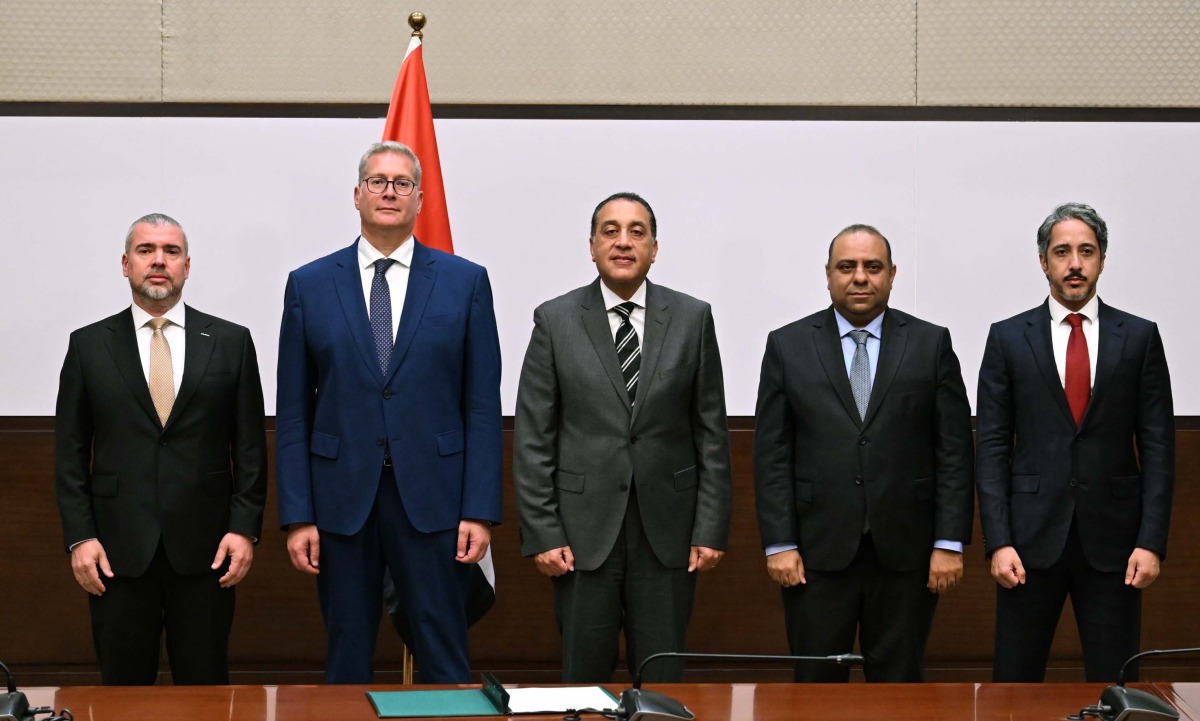
His Excellency Minister Al-Kaabi added: “We look forward to working closely with the Government of Egypt and our strategic partner ExxonMobil to achieve the objectives of this MoU for the benefit of all parties.”
This collaboration reflects the shared intent of all parties to develop integrated and commercially sustainable energy solutions to support growing regional demand, while enhancing connectivity between regional and international markets.
The MoU further reinforces Egypt’s role in the Eastern Mediterranean and its continued commitment to advancing regional energy development through strong partnerships and infrastructure integration. It is also expected to promote broader regional cooperation and contribute to supply diversification across multiple markets.