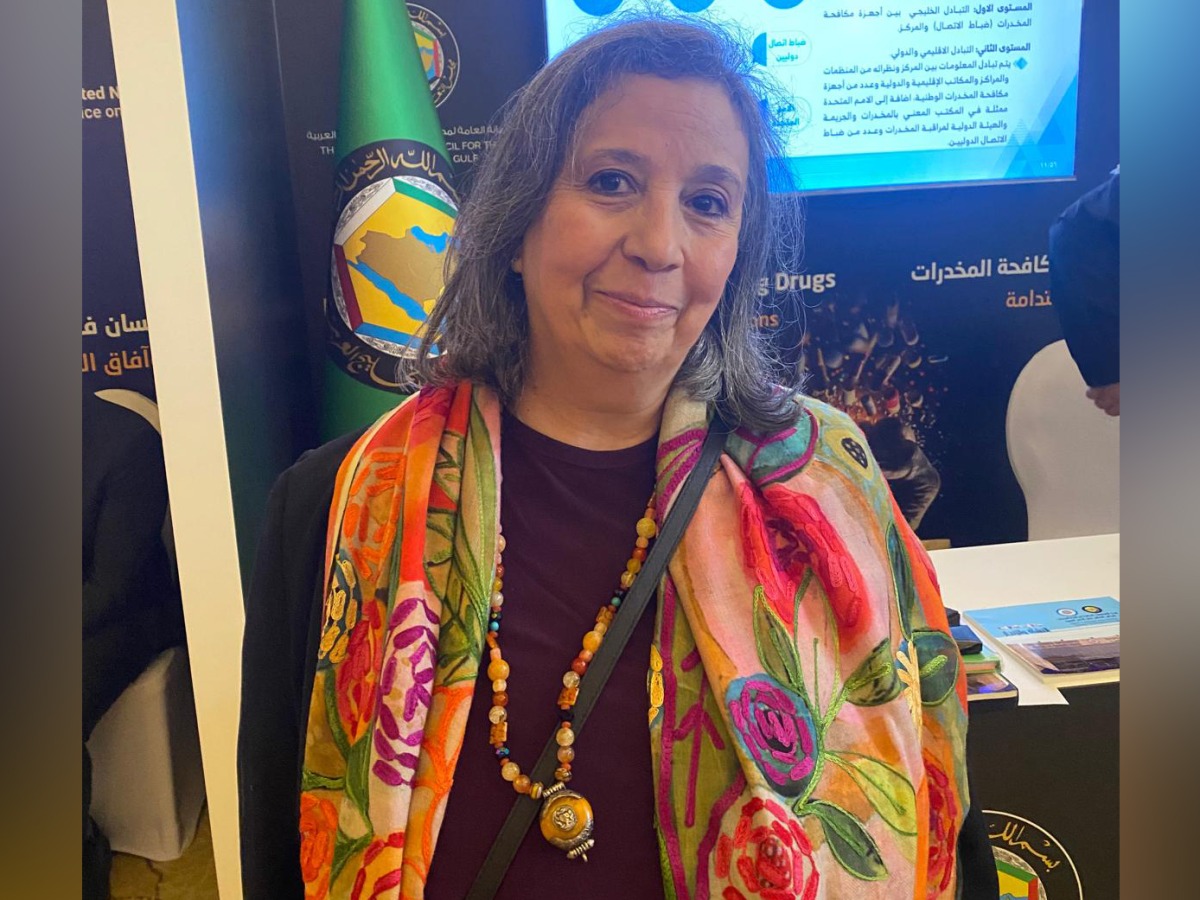
Director of the World Health Organisation (WHO) Office in Qatar Dr. Rayana Ahmed Bou Haka
Doha, Qatar: Director of the World Health Organisation (WHO) Office in Qatar Dr. Rayana Ahmed Bou Haka, emphasised the critical role of human rights in addressing drug addiction and promoting public health.
Speaking to The Peninsula on the sidelines of the Fourth National Human Rights Forum which opened in Doha yesterday, Dr. Bou Haka highlighted the importance of forums like the gathering, emphasising that multidisciplinary collaboration is essential for effective health interventions.
“It’s very important not just for bringing people together but for promoting human rights-based approaches in health. Access to prevention, treatment, information, and healthcare services, guided by policies based on evidence and data, is crucial,” she said.
On Qatar’s role in promoting regional and global health initiatives, Dr. Bou Haka stressed that the country is leading by example in studying addiction comprehensively. “Qatar is showing the way in research and implementing programmes that address the full scope of drug addiction.
She called for collaborative efforts among countries to share successful strategies, detect problems early, and act promptly to prevent further escalation. She also commended the National Human Rights (NHRC)’s initiative for framing drug issues as not only a criminal matter but a human rights issue.
“This conference is very important because it addresses the rights of all stakeholders, people affected by addiction, their families, doctors, and law enforcement professionals. It recognises that this is a societal problem that requires a broad, human-centred perspective,” Dr. Bou Haka explained.
She underscored that effective interventions must be proactive rather than reactive. “We cannot only rely on specialised institutions to respond once numbers rise. Early detection, prevention, and accessible treatment are critical to curbing the spread of addiction and protecting communities,” she said.
Dr. Bou Haka emphasised that Qatar’s efforts, combined with international collaboration, provide a model for holistic, rights-based approaches to health. “Human rights are at the core of public health, and addressing addiction requires the full engagement of society, evidence-driven policies, and early, comprehensive action,” she said.
Discussing the partnership between WHO and Qatar, Dr. Bou Haka praised the country’s proactive approach to implementing evidence-based health initiatives. She said: “There is a lot of work being done with the centres here, from studies to training programmes. Training is key; families, doctors, pharmacists, all benefit from human rights-based training tools developed locally,” she said.
She noted that Qatar’s model could serve as a blueprint for other countries, particularly those with the capacity and resources to scale similar interventions.
“For countries in crisis, it’s often unrealistic to expect them to address these issues fully on their own. Qatar’s experience can guide others,” she added.