Doha, Qatar: The Qatar Foundation’s Ability Friendly Program (AP) has evolved significantly since its launch, witnessing steady growth in participation and broadening its range of sports, and building a strong cohort of highly trained coaches committed to inclusive practice.
What began in 2018 with just swimming and football sessions for 30 participants has evolved into a structured, multi-sport initiative serving hundreds across Qatar, a transformation that reflects both rising demand and a deepening national commitment to accessibility in sport.
Launched as a pre-university department within Qatar Foundation (QF), the Ability Friendly Program was designed to provide sport-specific opportunities for children and adults with special needs and disabilities. Today, it offers year-round programming in swimming, football, basketball, golf, equine therapy, multi-activity sessions, Playball, movement and mindfulness community programs, alongside competitive pathways in swimming and football.
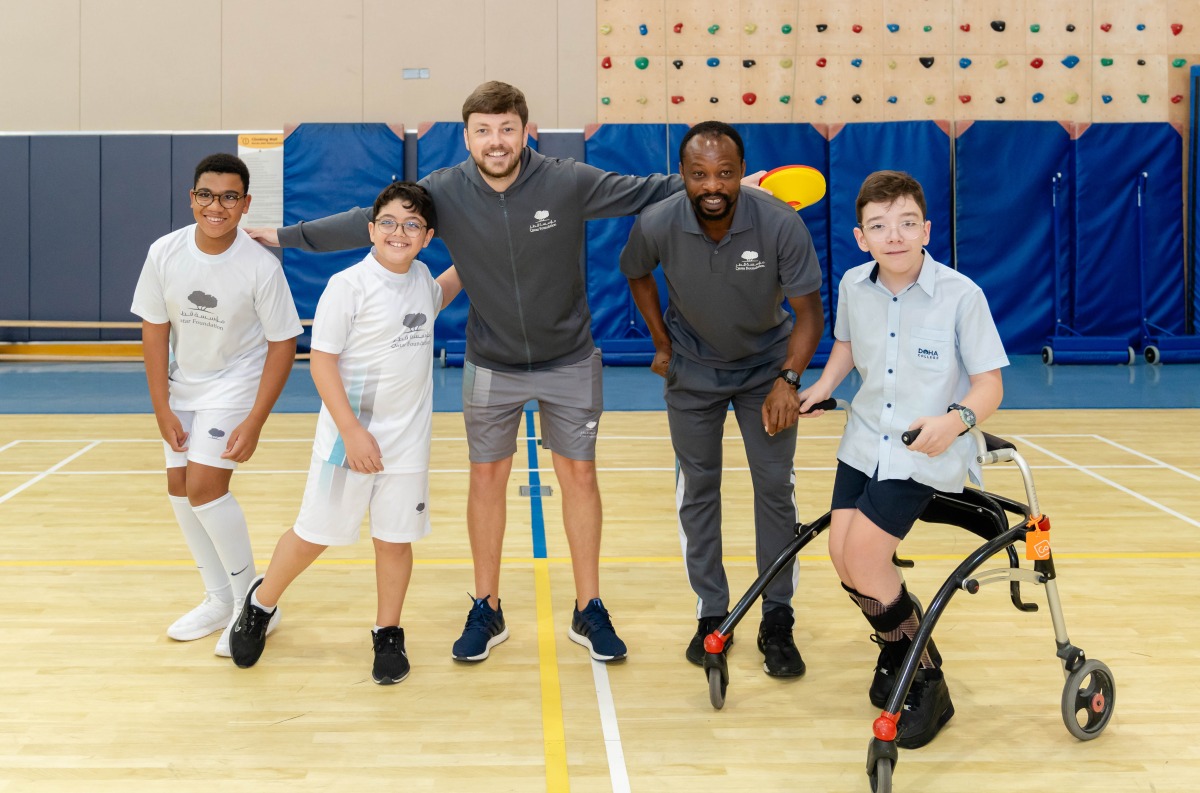
“Since launching in 2018, Ability Friendly has grown from swimming and football programs with 30 participants into a structured, multi-sport program offering year-round opportunities; In addition to competitive pathways in swimming and football and a comprehensive coach education and volunteering programs, ” Head of the Ability Friendly Program at QF, Kathleen Bates told The Peninsula.
“The impact the program has created is both measurable in terms of data and numbers but more importantly through the participants themselves, having increased confidence, independence, social connection and skill development.”
In Term 2 of the current community programs alone, 230 unique participants are actively engaged in weekly sessions. Waiting lists remain in place for several activities, underscoring both strong demand and limited capacity. Beyond community classes, AP also delivers structured programming within schools and operates a coach education pathway that is training hundreds of coaches across the country, significantly expanding its national reach.
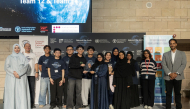
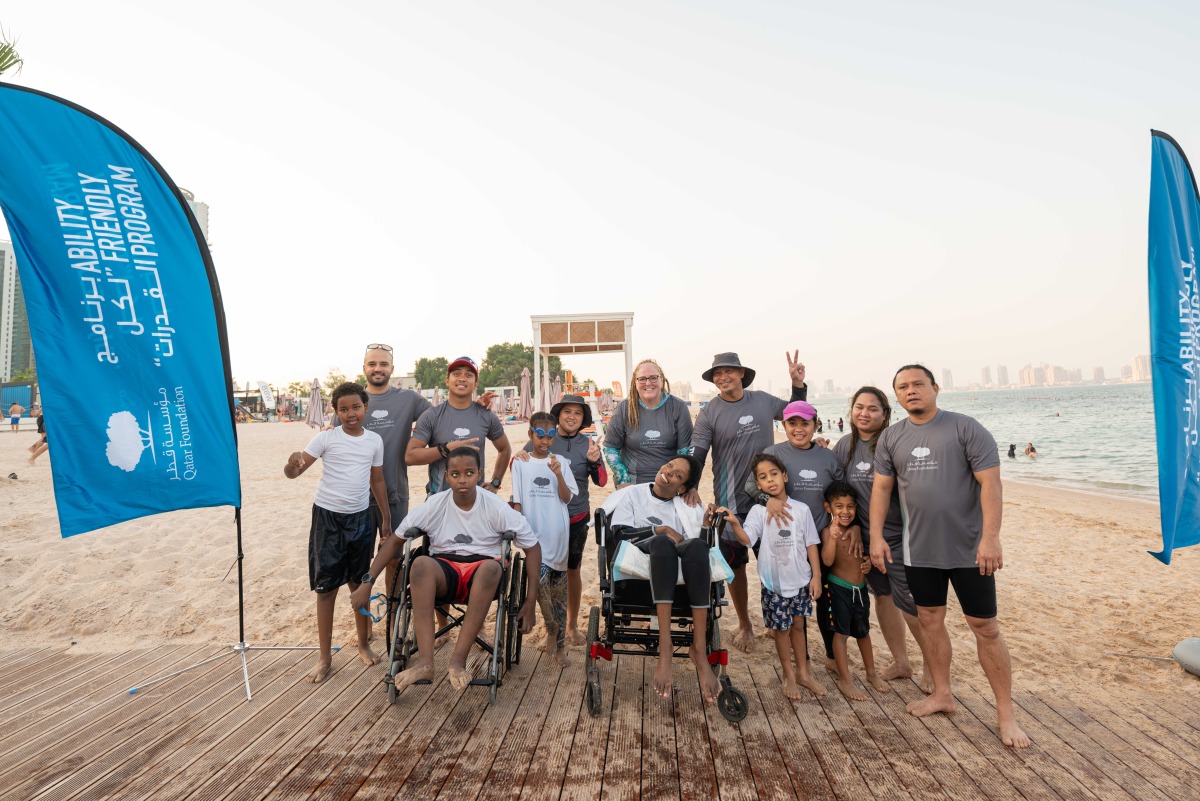 Head of the Ability Friendly Program at QF, Kathleen Bates (centre) with participants, coaches and families.
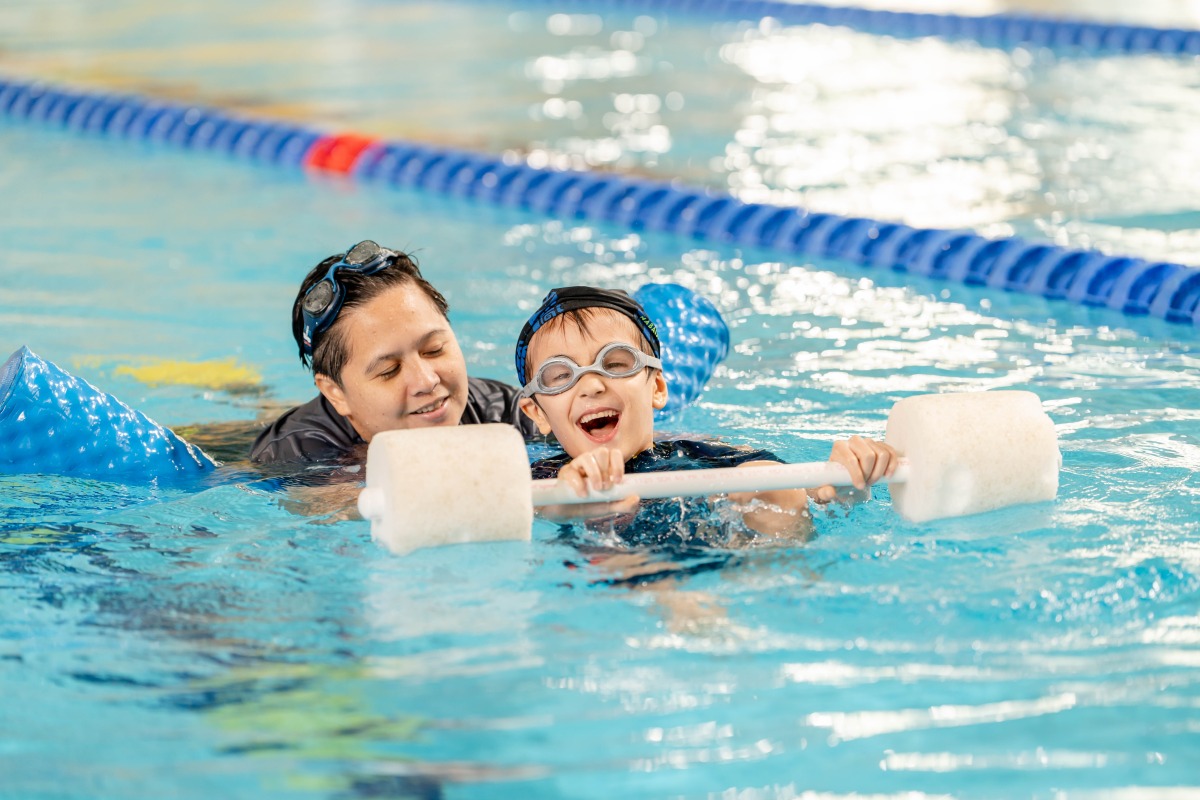
Swimming, one of the program’s founding pillars, continues to draw strong interest. “Swimming remains our most popular sport due to its therapeutic and developmental benefits,” Bates said. However, other disciplines have steadily gained momentum. Football, basketball and equine therapy now report full programs and robust engagement, demonstrating the program’s successful diversification.
Central to AP’s growth is its team of coaches, carefully selected for both technical expertise and personal attributes. “Coaches are selected based on coaching experience, technical competence, experience of working with athletes with a disability, coaching style and attitude,” Bates said. “We are looking for individuals who demonstrate patience, adaptability, empathy and a commitment to inclusive practice.”
All AP coaches hold internationally recognised sport-specific qualifications, alongside specialised credentials in working with people with disabilities. Their training includes adapting sessions, communication strategies, behaviour support, and ensuring participant safety. Currently, the program employs seven full-time coaches and five part-time coaches, many with backgrounds in physical education, club coaching and adaptive sports.
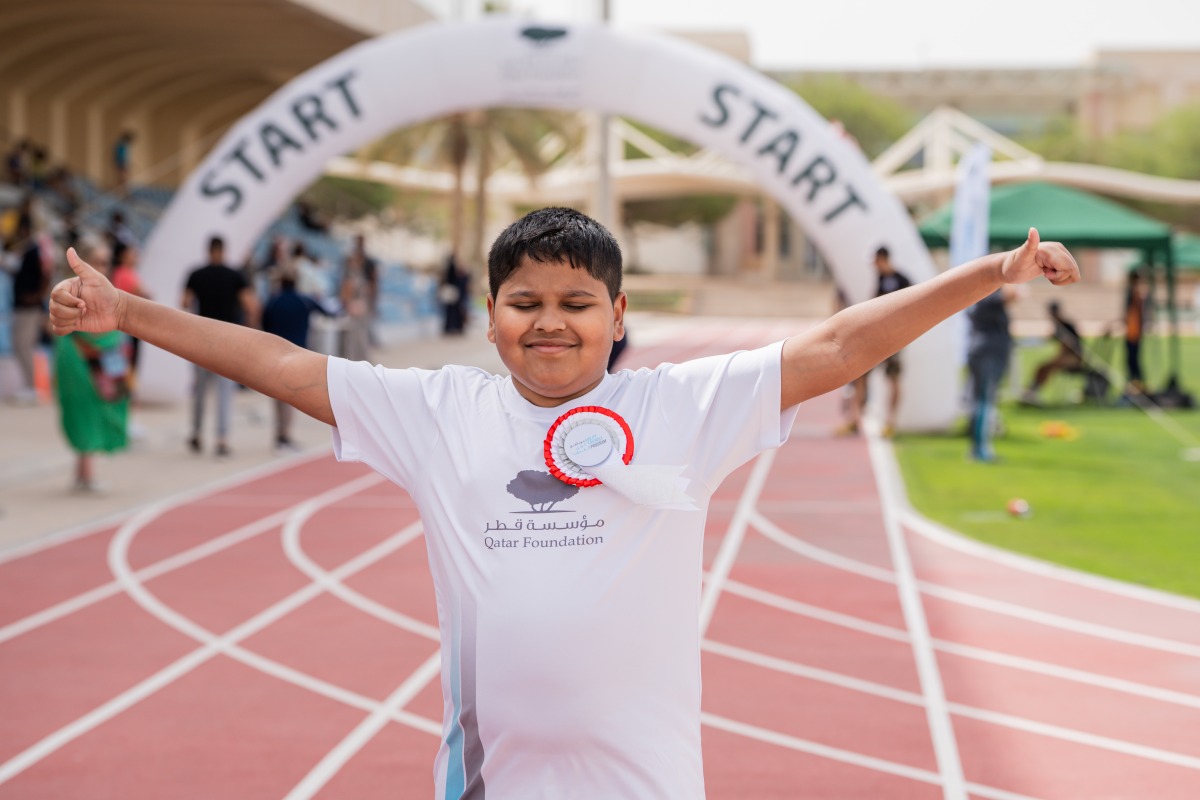
AP provides structured mentoring, observation and feedback, tutor training pathways and practical workshops to help coaches refine their inclusive practice. “Our goal is to build long-term inclusive coaching capacity in Qatar and across the region,” Bates said. “We are working very hard to build capacity for there to be more sports coaches who are as amazing as our own Ability Friendly coaches.”
Volunteers also play a pivotal role. In football sessions, volunteers serve as “Play Partners,” offering one-to-one support to children who need additional assistance. They contribute to fostering teamwork, building positive relationships and maximising each participant’s experience. Events provide further opportunities for volunteers to assist at activity stations or support families, creating meaningful engagement even for those unable to commit to weekly sessions.
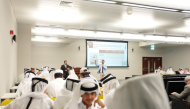
Education remains another key pillar. AP conducts several workshops each year, including land- and water-based sessions. Its Level 1 “Introduction to Inclusive Coaching” course provides foundational methodologies for structuring inclusive classes, while the “Creating Inclusive Spaces” online course offers general disability awareness training accessible to professionals across sectors. Practical workshops focus on working with participants who are deaf or hard of hearing, have visual or physical impairments, autism or learning disabilities.
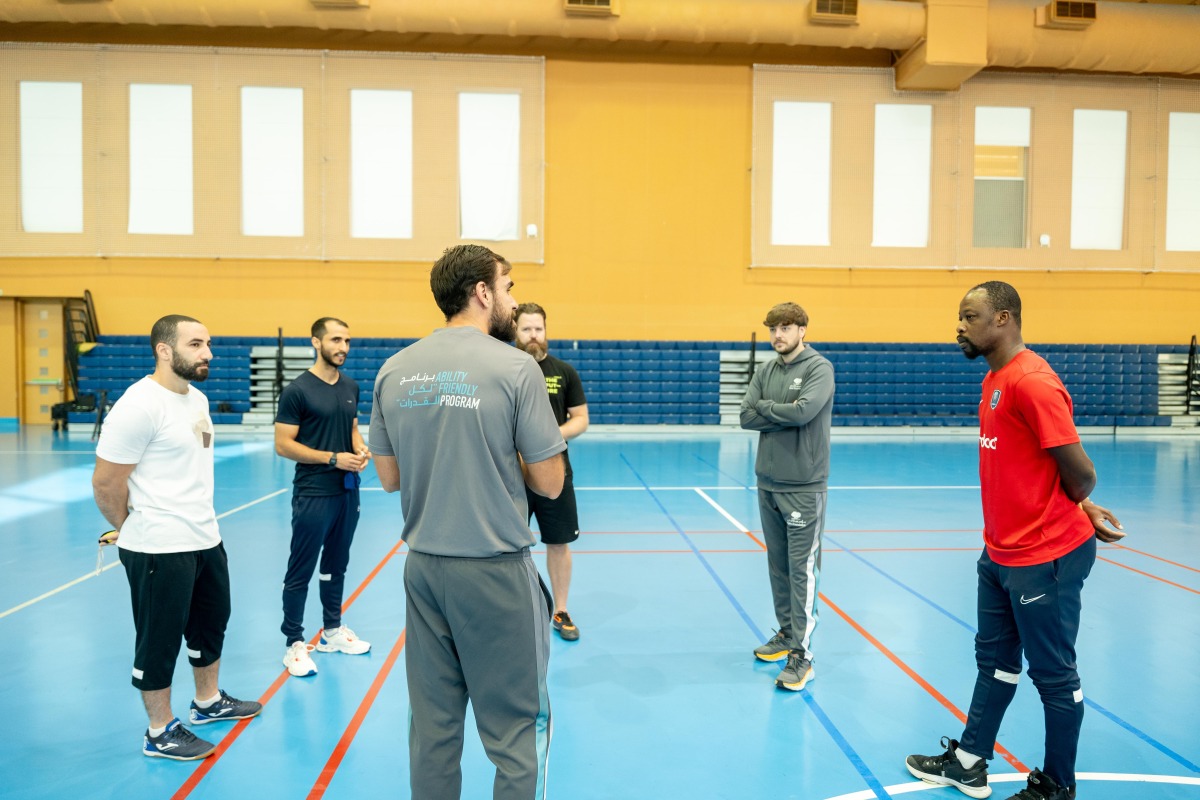 Ability Friendly Program coaches
Future plans aim to deepen this educational pathway. The next phase of courses will empower coaches to independently build and lead inclusive sessions, further expanding accessible sports offerings in Qatar. Volunteers who complete a full term are eligible to enroll in the Level 1 course free of charge, strengthening the pipeline of trained inclusive practitioners.
Competitive events have further elevated the program’s profile. The annual Qader Award supports financial inclusion by granting families access to free swimming or football for a full academic year. Meanwhile, the Al Dasha Football Cup and the Yalla Swim Meet – National Competition 2026 have provided athletes with high-quality competitive platforms.