Doha: Leading banks in Qatar are embracing the power of digital transformation for building resilience, offering contactless payments (like Apple Pay), self-service solutions, and a pragmatic experience for the customers, KPMG has said in its latest report “Qatar Banking Perspectives 2021: Technology, Innovation, and Sustainability” which was released recently.
In the third edition of its annual Qatar banking perspectives publication, KPMG presented a comprehensive and wide-ranging summary of issues and trends in the global banking industry and examine how they are impacting banks in Qatar.
This year’s report comes with valuable contributions from KPMG’s financial services professionals along with some of the most prominent leaders in Qatar’s banking sector, who have shared their views on the topics and issues that are shaping the industry in the country.
The report featured interviews with the Qatar Central Bank (QCB) Governor H E Sheikh Abdullah bin Saoud Al Thani, Al Khaliji Commercial Bank’s Group CEO Fahad Al Khalifa, and Commercial Bank’s Group CEO Joseph Abraham, who have all provided their thoughts and insights into some of the most pressing issues and opportunities that the banking sector is facing today.
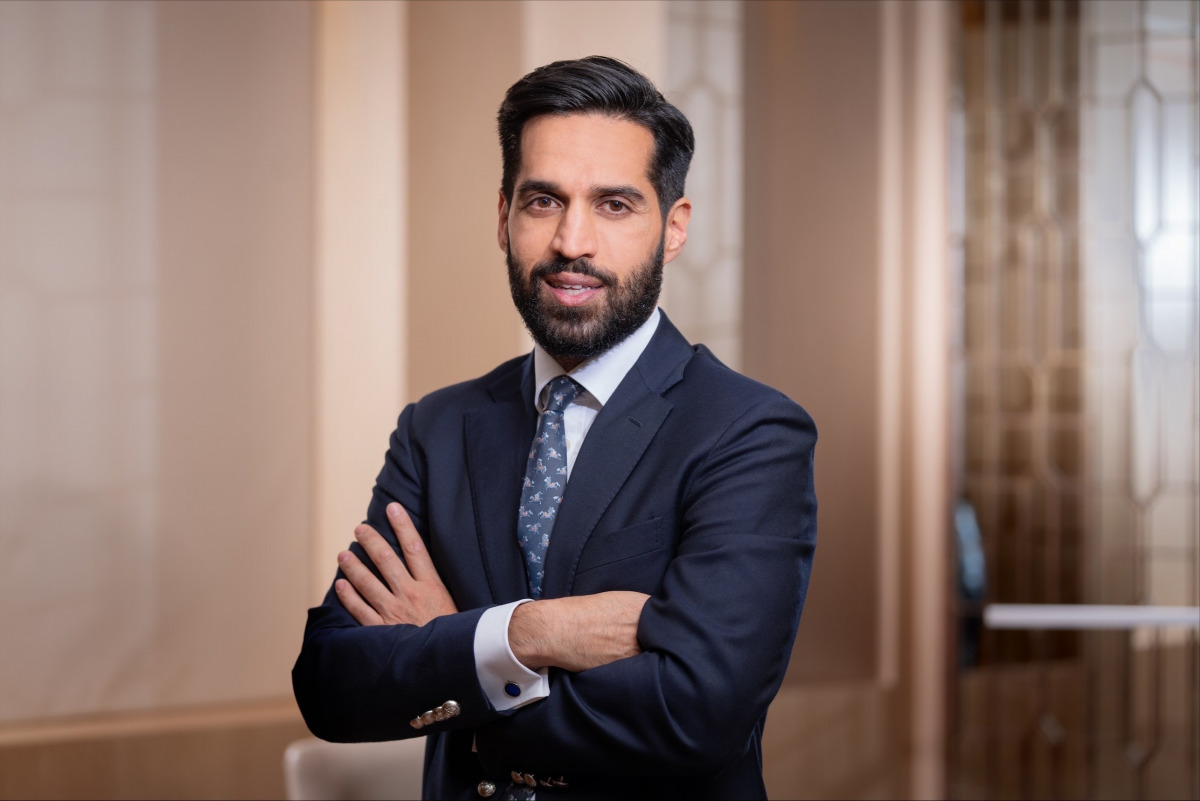
Omar Mahmood (pictured), Head of Financial Services for KPMG in the Middle East & South Asia, and Partner at KPMG in Qatar, commented: “The themes dominating this year’s edition are Technolgy, Innovation, and Sustainability. And while banks in Qatar have faced a challenging environment as a result of the COVID-19 pandemic, we have seen them emerge stronger, more resilient, and most importantly with a greater focus on the digital agenda”.
This year, KPMG’s report covers the half year results snapshot based on the financial analysis of eight listed commercial banks in Qatar as at June 30, 2021, and has three categories of exploration: Technology and Innovation, Regulatory Landscape, and Markets & Customers.
Highlighting taxation from a banking perspective in Qatar, KPMG said the reform of the local and global tax environment is moving at a much faster pace than the past and complexity continues to increase. Tax has become much more important for banks in recent years with various regulations around FATCA, BEPS, Transfer Pricing and the expectations around VAT, which has resulted in an increase in focus in this area.
The report also shed light on the PMI best practices and consolidation trends in Qatar. It added that the GCC is an overbanked region where working age population per local bank is significantly lower than the median of emerging countries. The five largest banks in the region account for approximately 70 percent of the total assets, makes it highly competitive for the remaining banks fighting for market share and customer base. This along with the global economy coming under stress leads to reduced profitability and coupled with increasing pressure by the regulators for capital requirements and compliance costs. The report underlined the importance of finding new ways of working and its impact on the banks’ culture.
On the strategic importance of ESG for banks in Qatar, the report said it is clear that banks across the globe now recognise that their ESG agendas are a tool for returning to prosperity, as well as a deciding factor for many would be customers and investors. New ESG-tied products and models are being developed, tested and commercialised. And banks can no longer afford to overlook ESG and must embrace it to avoid constrained growth and increased regulatory and public scrutiny, it added.
KPMG also said that since the inception of virtual digital currency in 2009, also known as Cryptocurrency, the digital currency concept has been rapidly gaining ground and acceptance. The estimated number of unique active users of cryptocurrency wallets has grown significantly from 2.9 million in 2013 to over 68 million users in February 2021, with leading prices to increase several fold over the past 24 months. The real question is when an Islamic Crypto asset will emerge in the Region.
In recent years, the switch towards digital banking has further accelerated, pushed by several factors that have changed customer behaviours in the region. The first catalyst of this acceleration has been the COVID-19 pandemic, which saw a large portion of branches closed and several social-distancing measures put in place for an extended period of time, the report added.
On anti-money laundering (AML) transformation through new technologies, the KPMG report also stressed that one of the main challenges hindering the effective implementation of AML and counter-terrorist financing (CFT) measures is poor understanding of money laundering and terrorist financing (ML/TF) threats and risks. Decision-making is sometimes inaccurate and irrelevant, relying heavily on human input and defensive box-ticking approaches to risk, rather than applying a genuinely risk-based approach. This is where new technologies can provide the most added value.
“As the world is starting to get back to normal or should we say “the new normal”, we are seeing businesses across all industries including the banking sector focusing on what the working culture would look like in the post pandemic world. The report exposes open questions that are more available than answers at the moment - all of which require serious thinking and planning,” KPMG said.