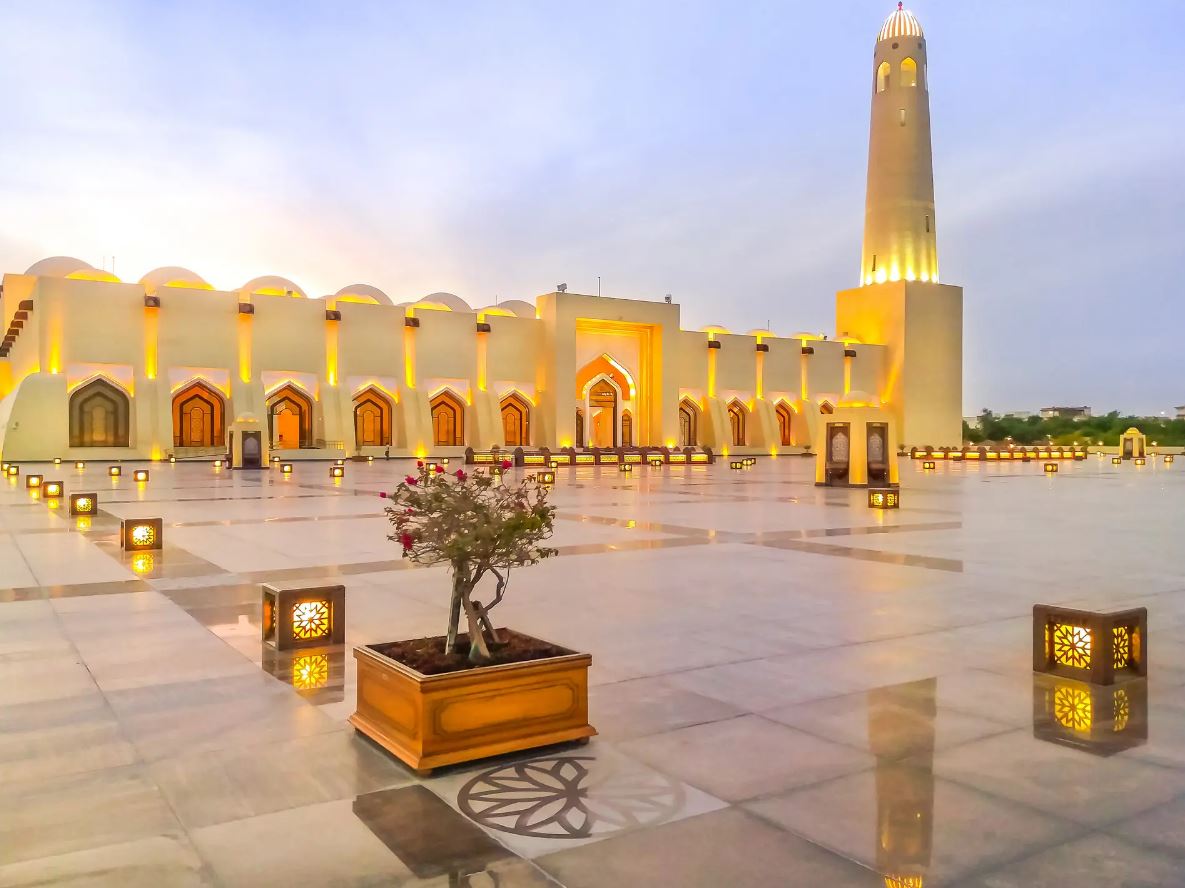
Doha, Qatar: Ministry of Awqaf and Islamic Affairs has intensified its public awareness campaign against drug abuse by dedicating Friday sermons in around 600 mosques across the country to the dangers of narcotics, reinforcing religious and social awareness as part of a coordinated national effort to protect individuals, families and society.
The initiative, led by the Ministry’s Department of Mosques, coincided with the observance of the International Day Against Drug Abuse and Illicit Trafficking on June 26 and was carried out in cooperation with the Ministry of Interior. It forms part of a comprehensive outreach programme aimed at addressing pressing social issues through religious guidance rooted in Islamic values and practical community engagement.
During the sermons, imams warned worshippers about the devastating consequences of drug abuse, describing narcotics as one of the gravest threats to public safety, family stability and social cohesion. They stressed that drug addiction endangers both physical and mental health, contributes to family breakdown, fuels crime and delinquency, and imposes significant economic and security burdens on society.
The sermons also highlighted that drug use and trafficking constitute a direct violation of the objectives of Islamic law, which seeks to preserve the five essential necessities of life, foremost among them the protection of life, intellect and faith. Worshippers were cautioned against the influence of bad company and misleading ideas, while being encouraged to strengthen their faith, exercise self-discipline, and seek treatment and professional support whenever needed.
The Ministry underscored the vital role of mosques as centres of guidance, education and community reform, noting that Friday sermons provide one of the most effective platforms for reaching diverse segments of society. Through balanced and moderate religious discourse, the ministry aims to promote a culture of prevention, particularly among young people, while addressing contemporary social challenges from both religious and practical perspectives.
The sermons also called on parents and families to play an active role in preventing drug abuse by maintaining open communication with their children, closely monitoring their well-being, instilling moral values, and cooperating with educational and community institutions to protect young people from addiction and deviant behaviour.
According to the ministry, the campaign reflects an integrated institutional partnership with the Ministry of Interior, aligning awareness messages and expanding preventive efforts through joint participation in educational events and exhibitions.
The collaboration demonstrates the complementary roles of religious and security institutions in safeguarding society against the dangers of narcotics.