Doha, Qatar: If the expanded 48-team FIFA World Cup was expected to create one-sided contests and predictable outcomes, the group stage has delivered quite the opposite.
Over the past two weeks, football’s biggest stage across North America has belonged as much to newcomers and underdogs as it has to the established nations, producing enough storylines to fill an entire tournament.
Cape Verde have become the talk of the tournament.
A nation of just over half a million people, making its World Cup debut, progressed to the knockout rounds without winning a single match. Three hard-earned draws were enough to secure qualification, making the Blue Sharks only the fourth nation in World Cup history to reach the knockout stage without recording a victory and the smallest country by population ever to do so. They also became the first World Cup debutants since Senegal in 2002 to go unbeaten throughout the group stage. Their journey has become one of the defining stories of the tournament.
African football, in particular, has enjoyed one of its strongest World Cup group-stage performances. Seven of Africa’s 10 representatives have secured qualification for the Round of 32. Morocco, South Africa, Cote d’Ivoire, Egypt, Cape Verde, Senegal and Ghana have all booked places in the knockout stage, while Algeria and DR Congo remain in contention ahead of their final group matches.
South Africa provided another of the tournament’s defining moments on the final day of Group A. In a winner-takes-second-place showdown, Bafana Bafana defeated Republic of Korea 1-0 to secure their place in the knockout rounds, leaving the Koreans to rely on other results in their bid to qualify as one of the best third-placed teams.
There were shocks almost every matchday. Traditional powers found themselves pushed to the limit by nations making only their first or second World Cup appearances. Ecuador stunned Germany in the final group match, DR Congo held Portugal, Cape Verde earned a memorable draw against Spain, and Ghana denied England all three points. The expanded World Cup has not lowered the standard but it has simply widened the number of teams capable of producing memorable results.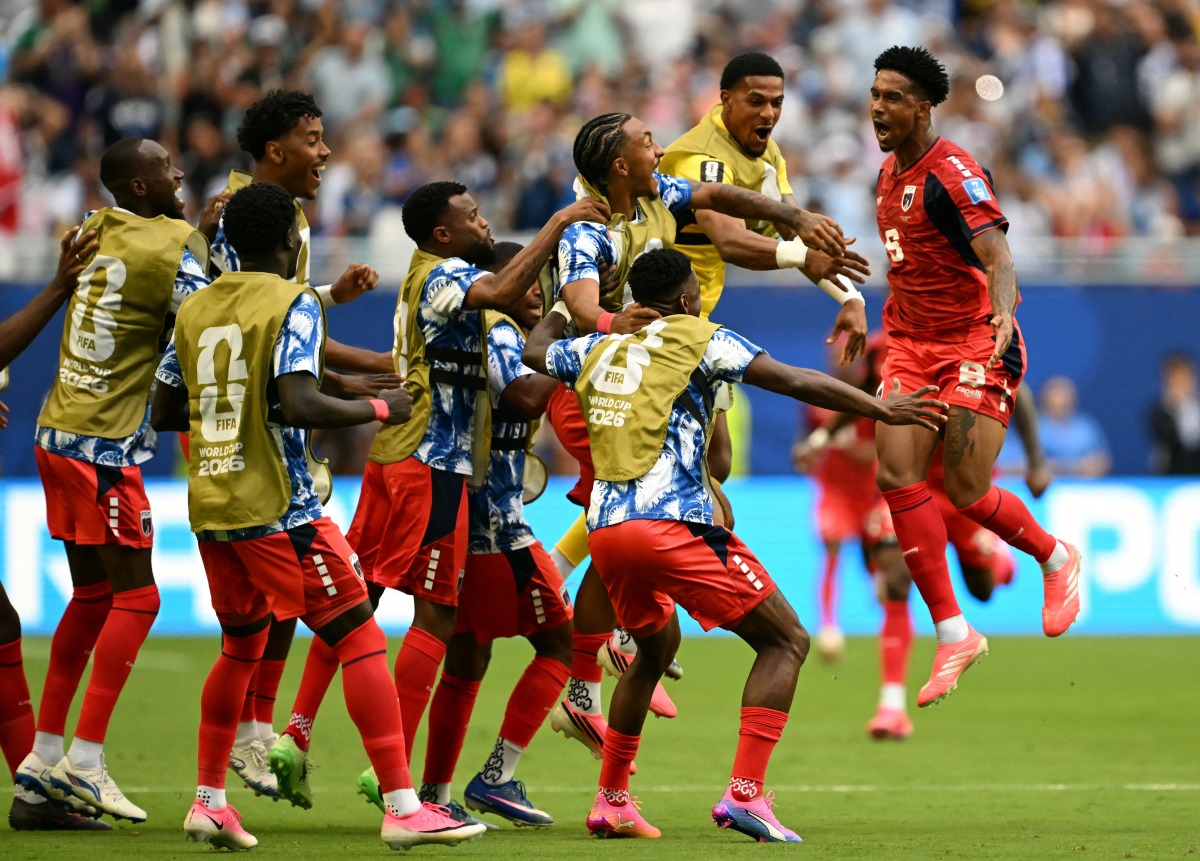 Cape Verde’s players celebrate after scoring a goal against Uruguay, in this June 21 file photo. PICS: AFP
At the other end, some of Europe’s traditional teams reminded everyone why they remain favourites.
Germany, France and the Netherlands each finished the group stage with ten goals, the highest tally of any nation, combining attacking football with ruthless efficiency as they comfortably reached the knockout rounds. While each took a different path, all three enter the business end of the tournament among the most dangerous attacking sides. Germany’s return to the knockout rounds has been one of the tournament’s biggest redemption stories. After suffering the embarrassment of back-to-back group-stage exits in 2018 and 2022, few expected Die Mannschaft to dominate as they have.
While several big nations marched comfortably into the knockout rounds, not every traditional heavyweight survived. Uruguay’s campaign ended in disappointment after failing to register a single victory in the group stage, a shocking outcome for a nation with such a proud World Cup history. Turkiye’s late victory in their final group match also proved too little, too late after defeats in their opening two fixtures left them with too much ground to recover.
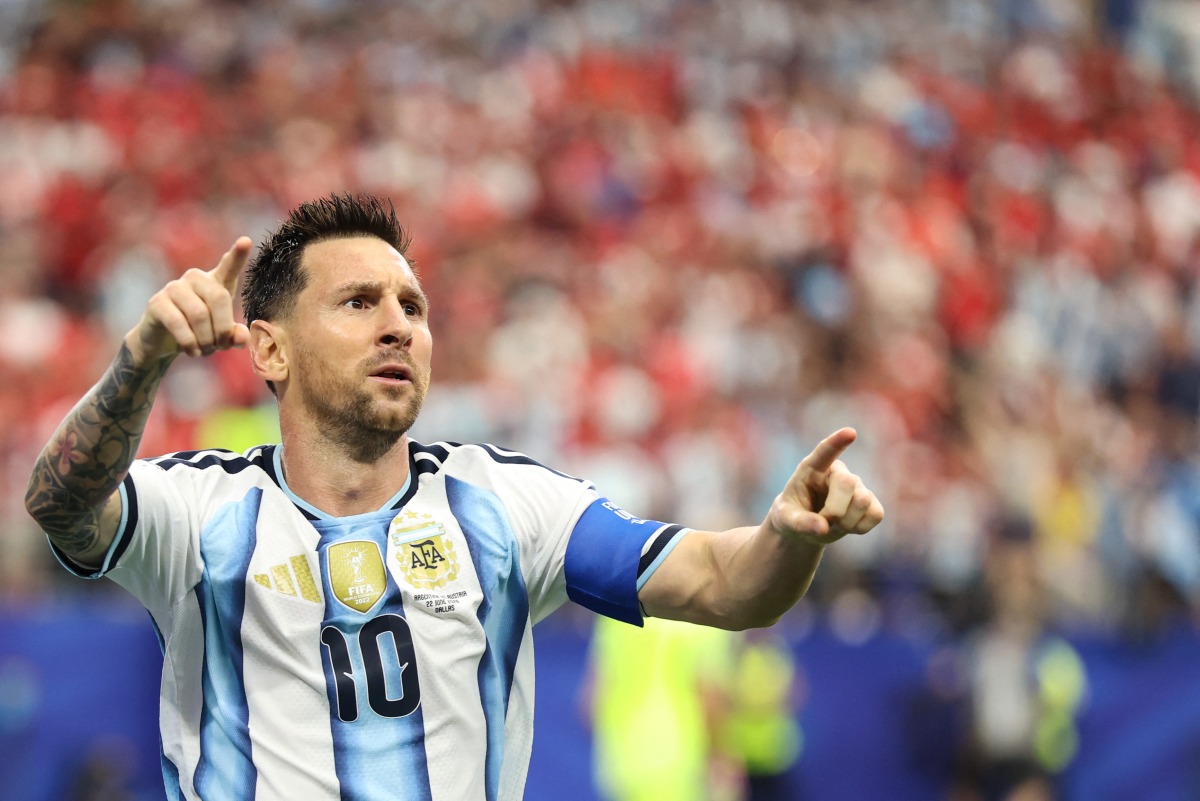
Then there are Lionel Messi and Cristiano Ronaldo.
Even as football enters a new era, the game’s greatest names have refused to fade quietly. At an age when many great players have already retired from international football, the Argentine and Portuguese captains have once again become two of the tournament’s biggest talking points.
Messi leads the Golden Boot race with five goals from juts two matches, while Ronaldo rewrote history by becoming the first player to score in six different FIFA World Cups. Messi also became the all-time leading scorer in World Cup history.
The tournament has also belonged to football’s new generation of stars. Kylian Mbappe, Vinicius Jr. and Erling Haaland have continued to justify their status among the world’s best, finishing the group stage with four goals each, while Ousmane Dembele has matched that tally to spearhead France’s impressive attacking displays ensuring the race for the Golden Boot remains wide open as the knockout rounds begin.
The new 48-team format was initially met with scepticism. Critics feared weaker teams would produce predictable matches and dilute the quality of the competition. Instead, the group stage has offered compelling evidence to the contrary.
The introduction of eight qualifying third-placed teams has added another layer of intrigue.
Until the final round of matches, qualification remained uncertain across several groups, with goal difference, goals scored and even disciplinary records becoming decisive factors in determining who advanced to the Round of 32.
The numbers behind the group stage tell the story of an entertaining opening chapter. A total of 196 goals were scored across 66 matches as of June 26, averaging just under three goals per game.
There have also been 12 own goals. Discipline has also played its part, with 10 red cards shown during the group stage, while four players will miss the Round of 32 after accumulating two yellow cards under FIFA’s new suspension rule.