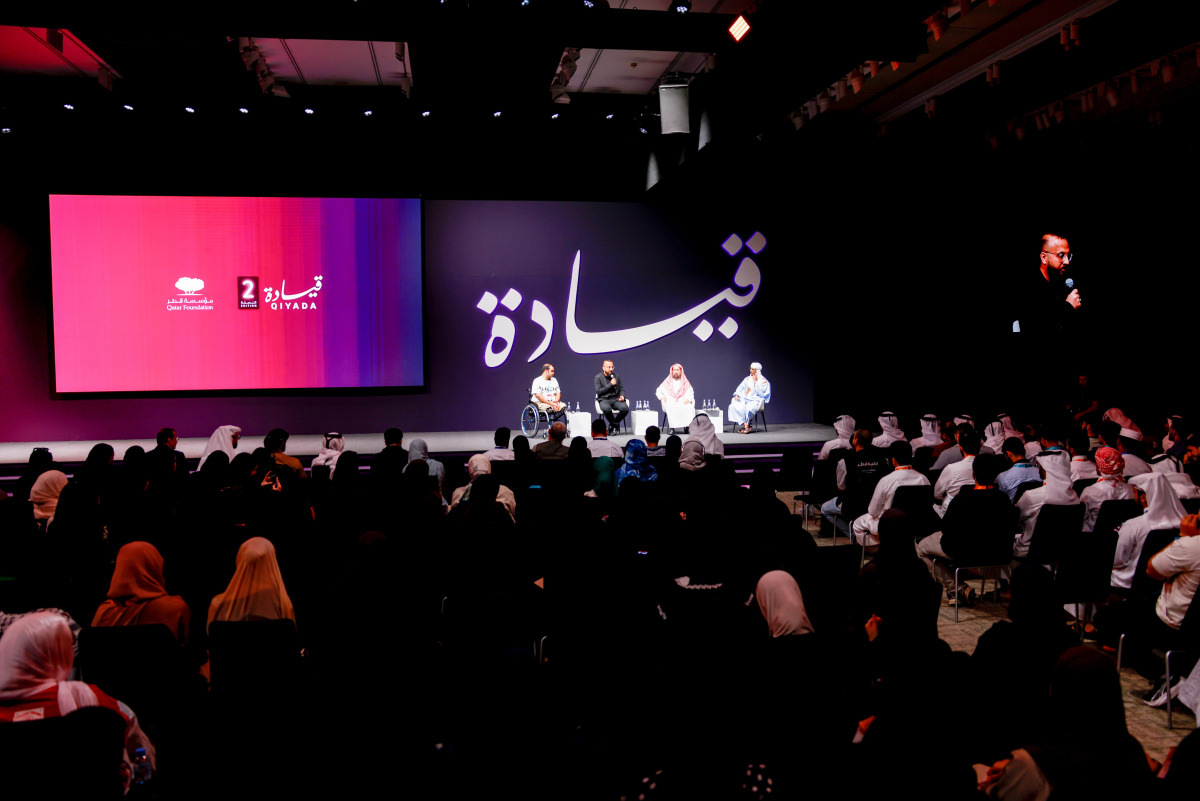
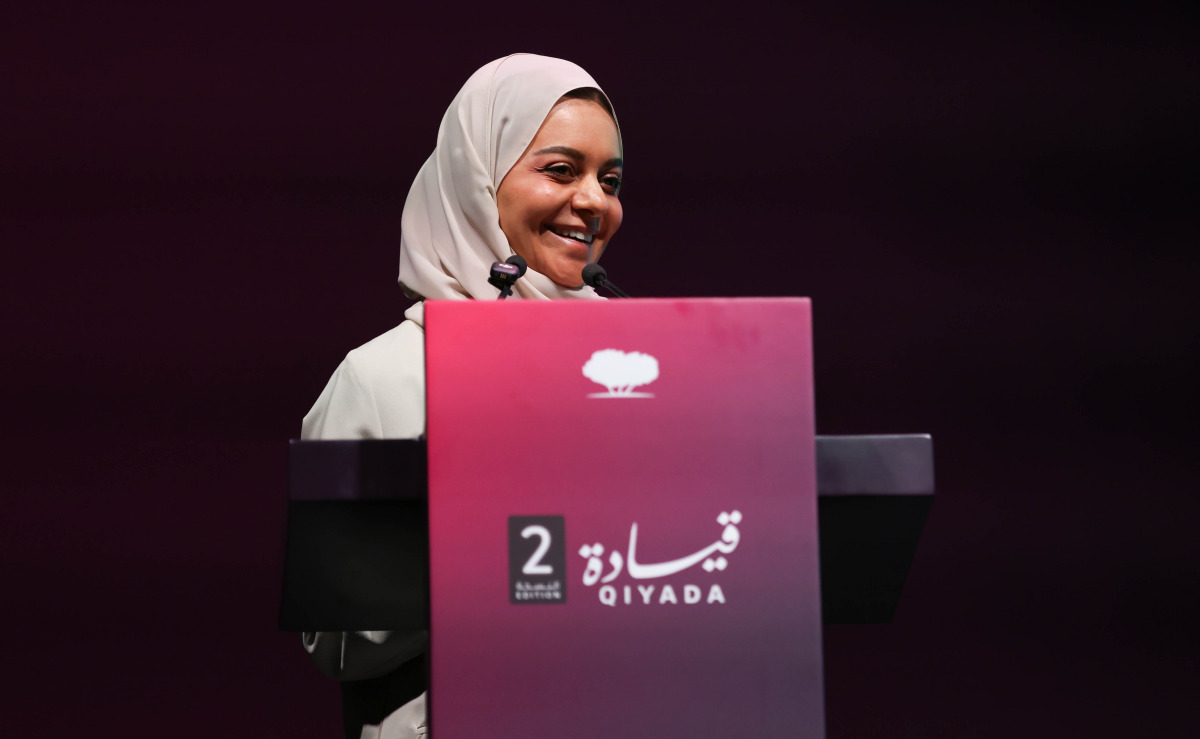
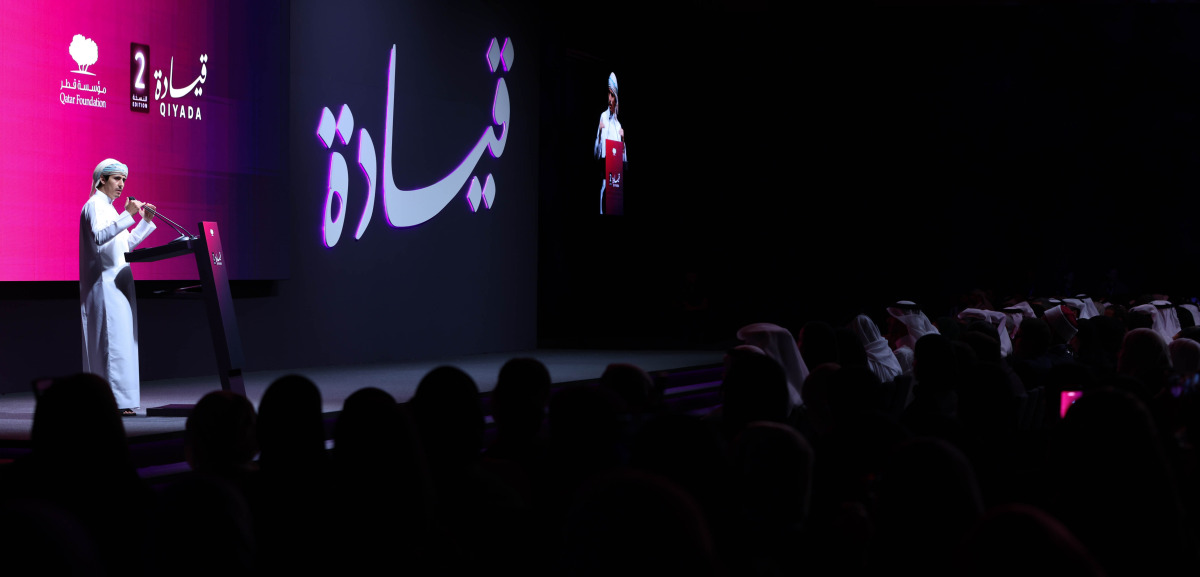
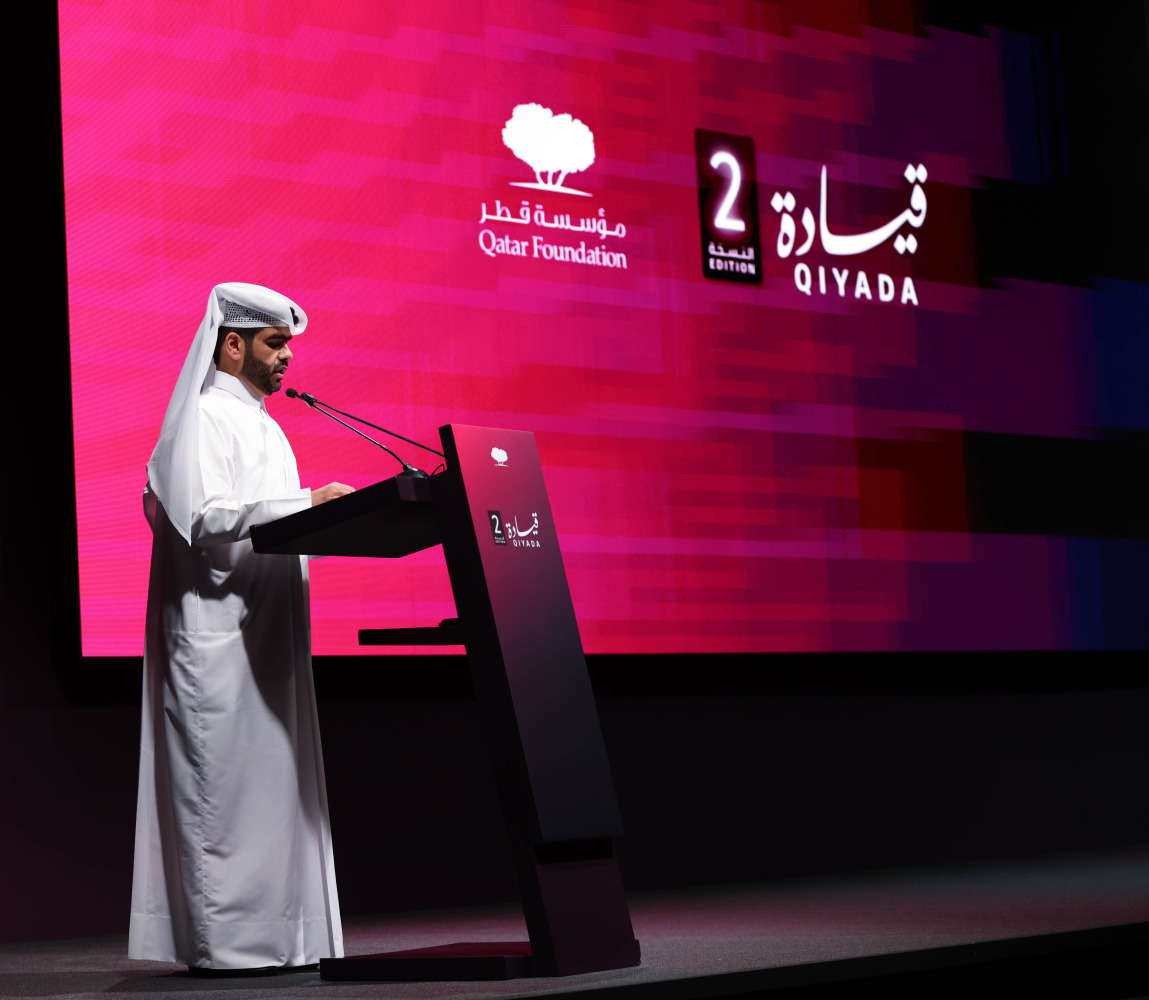
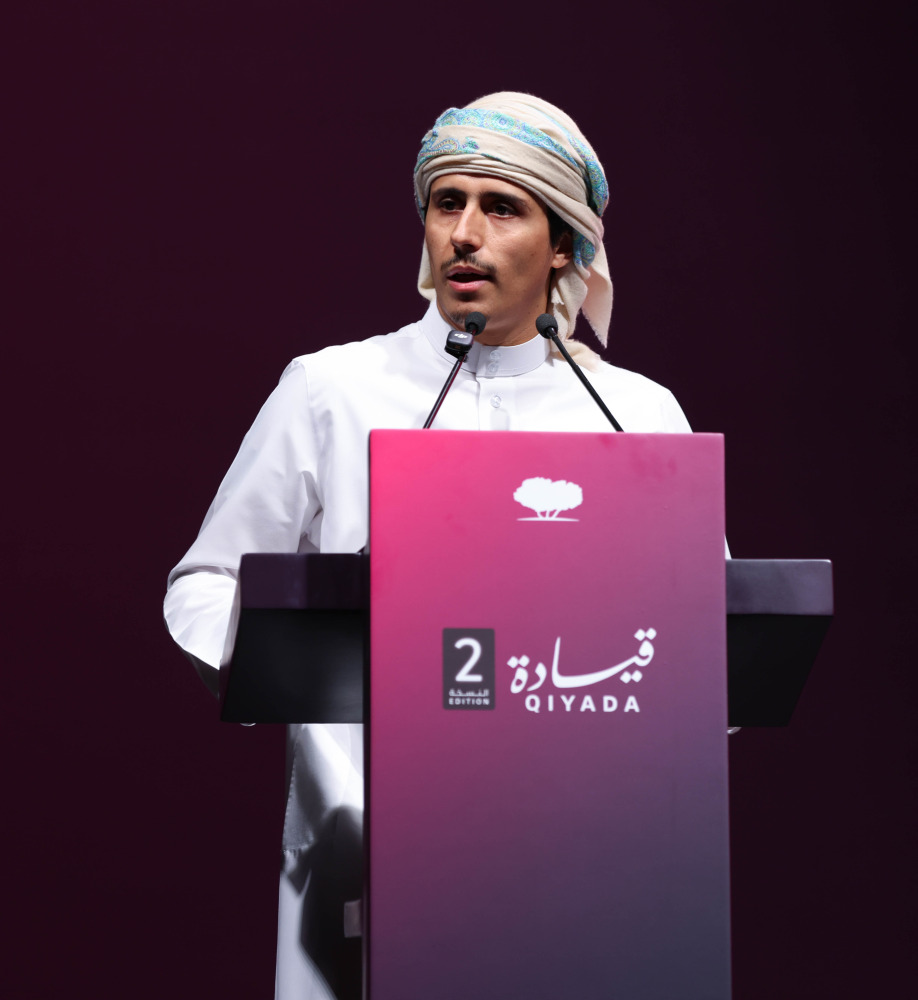
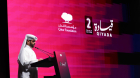
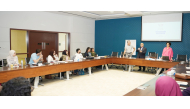
Doha, Qatar,: Themes of resilience in the face of challenges, unlocking creativity, and how changing our behaviors can have broader impact on the world were placed in the spotlight for young Muslims to discuss and reflect on during the first day of Qatar Foundation’s QIYADA conference.
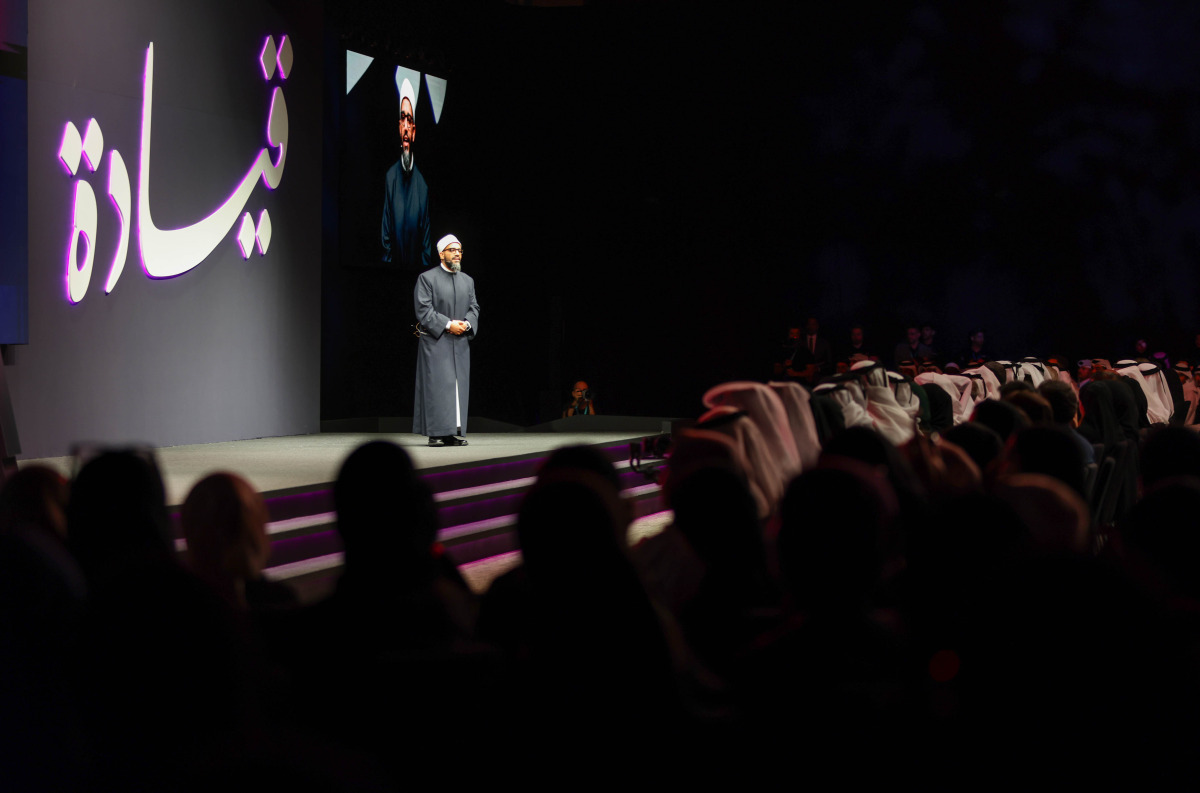
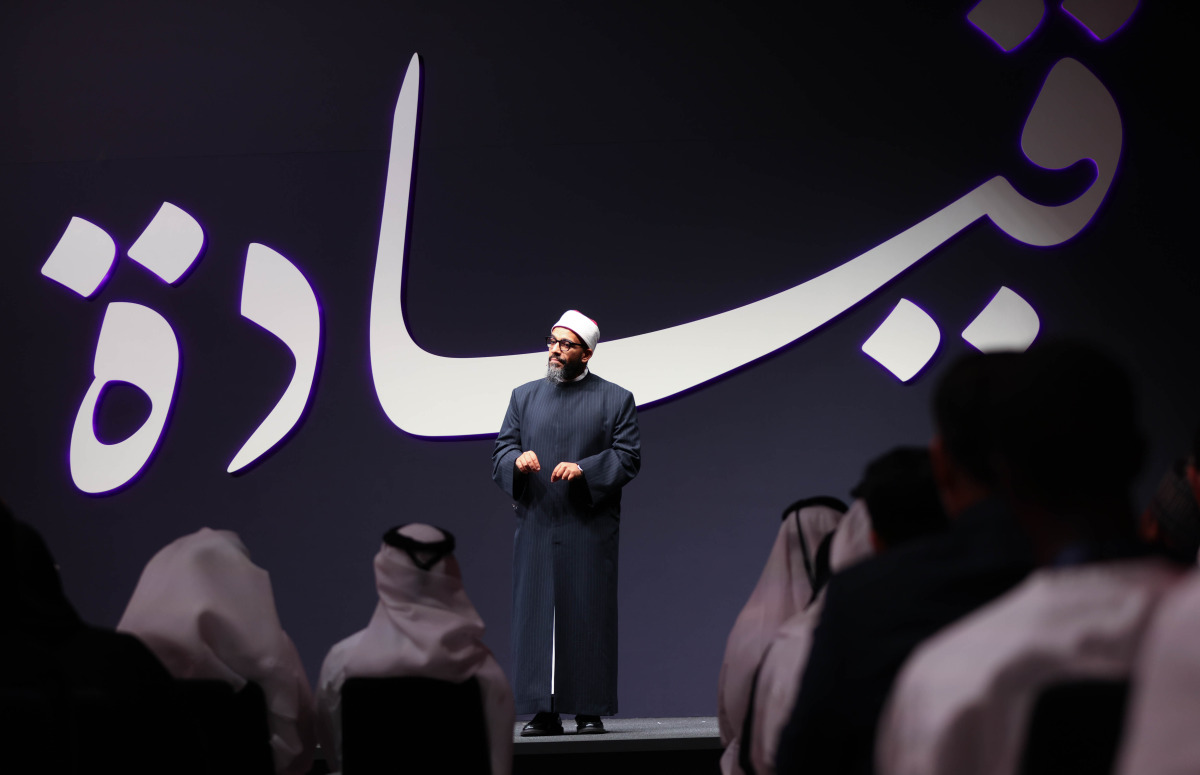
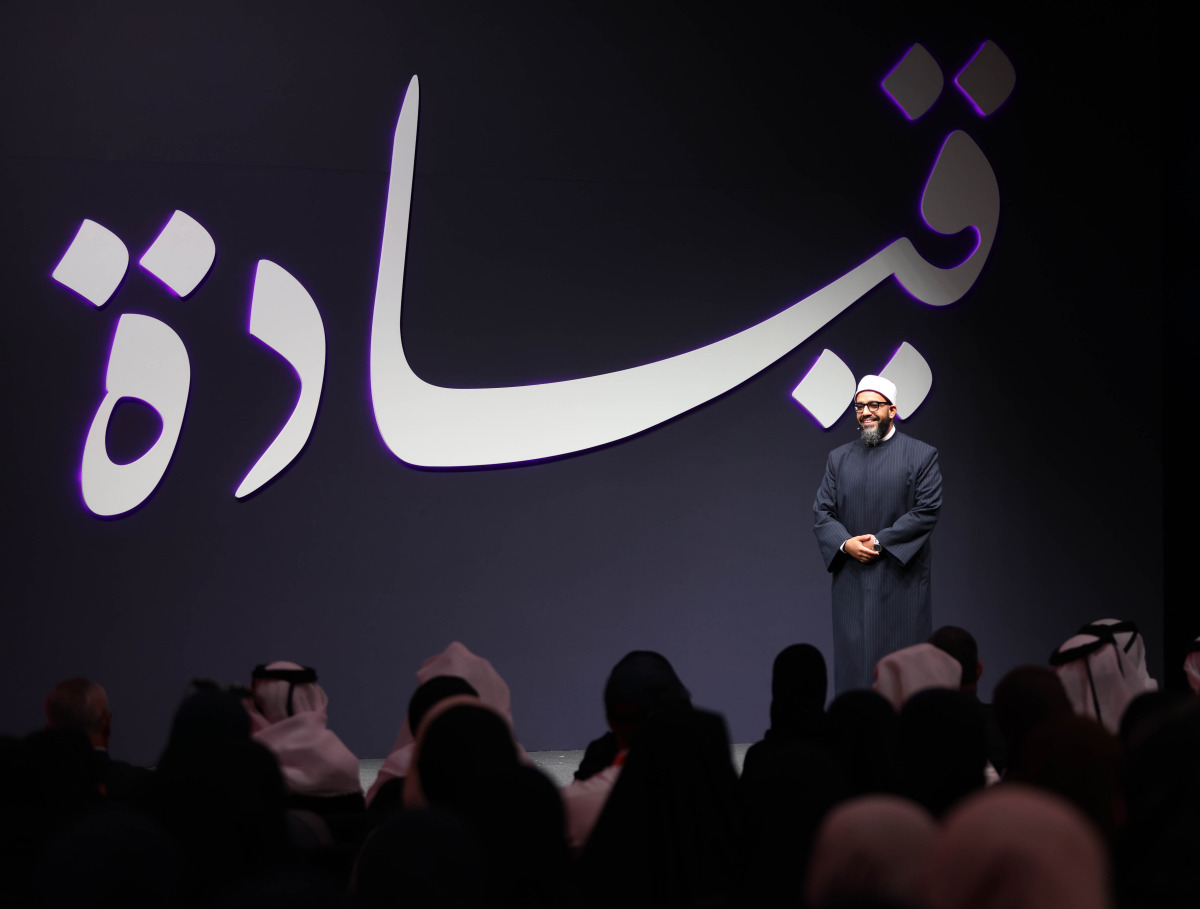
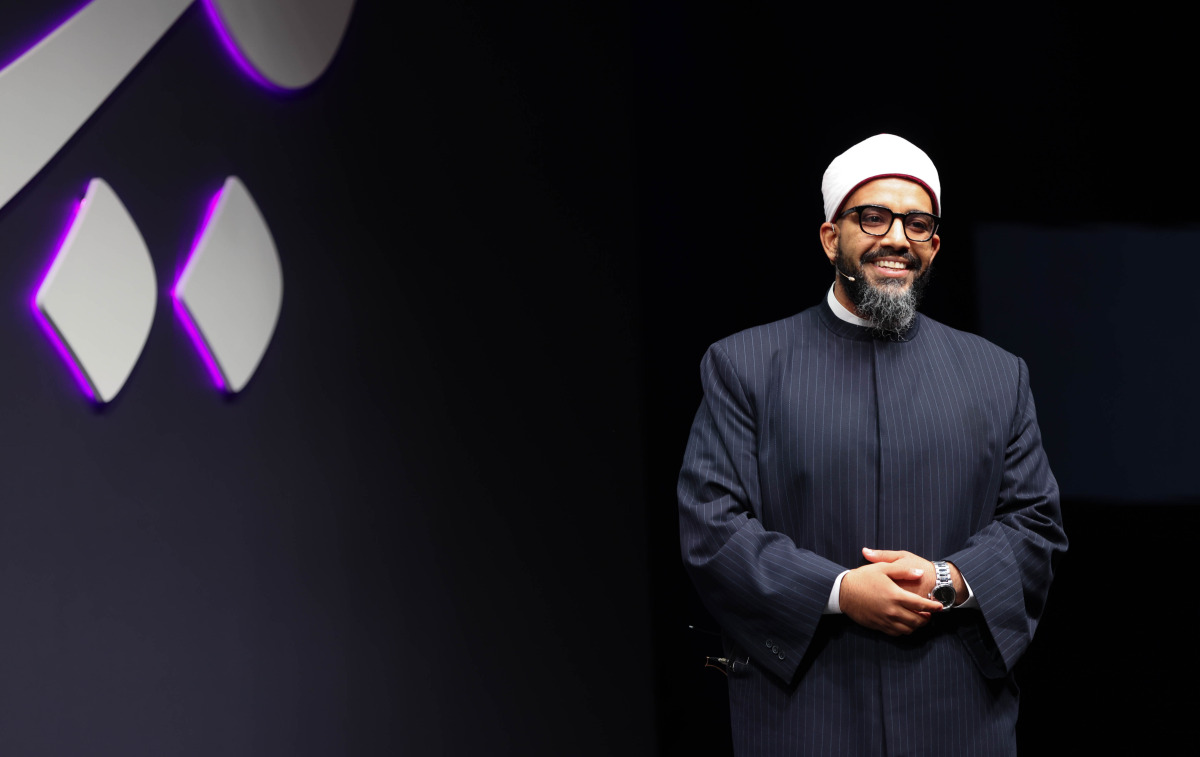
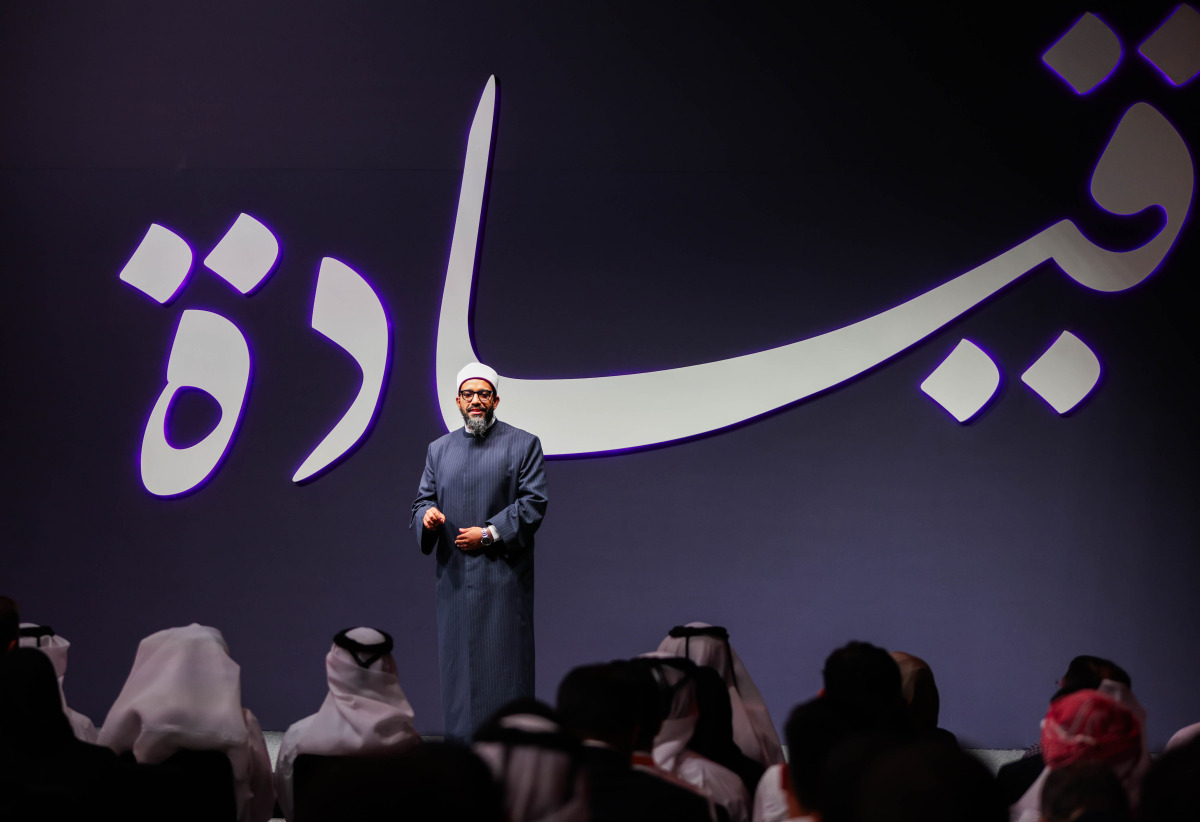
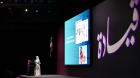
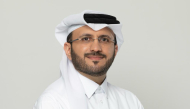
In a talk titled ‘The Duty of Reclaiming Imagination’, Sheikh Ali Hammuda, an editor at Islam21c website, a visiting Imam at al-Manar Centre in Cardiff, UK, and a senior researcher and lecturer for the Muslim Research & Development Foundation in London, said: “There are those of us who say ‘I don’t come from a background of creativity. I don’t represent the arts; I represent the sciences. I don’t come from a family of original thinkers. Creativity is not my birthright. I have no idea where to start’.
“I say to them that there are several steps we can consider that will unlock a creative knack. The idea of thinking outside of the box exists within every single human being. There are several steps we can take to unleash that. And when we discover this latent energy, we can redirect it to Allah and the service of humanity.”
Hammuda went on to list creativity, knowledge, courage, prototyping, and “pleading with Allah for an opening” as the steps young people should take in order to think in a different way.
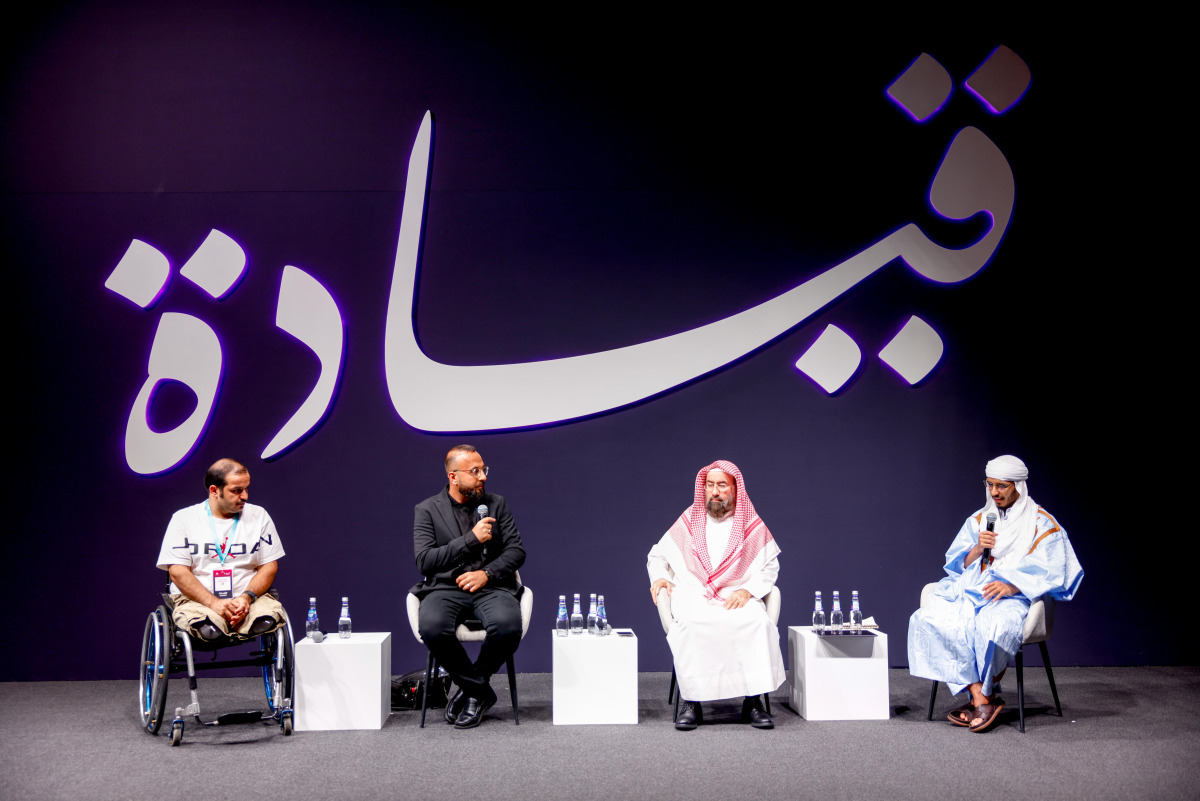
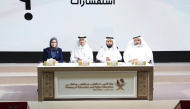
The day also included a session titled ‘Lens of Faith: Stories of Resilience’, which delved into prophetic and modern-day stories of resilience and how they inform qualities of leadership. It featured prominent Islamic scholar Shaikh Nabil Al-Awadi, social media influencer and motivational content creator Fahad Al-Ajmi, and Belal Khaled, an artist, photojournalist, and visual storyteller from Gaza.
“True leadership is in never losing faith in Allah and your morals, even when others lose faith in you,” said Al-Awadi.
“Leadership is not about always being a minister or a CEO, it is a characteristic that you carry within you in any role you play, even at home.”
This characteristic was personified by Al-Ajmi, who shared the story of how his life took a profound turn after an accident resulted in a permanent disability. “If you are defeated, others around you will treat you as such,” he said. “What I went through was difficult, but I resolved to make it an opportunity for betterment.
And he had words of advice for the youth attending the conference: “If you dedicate yourself and your work to Allah, He will reward you back, and remember to show gratitude for the health He has bestowed upon you.”
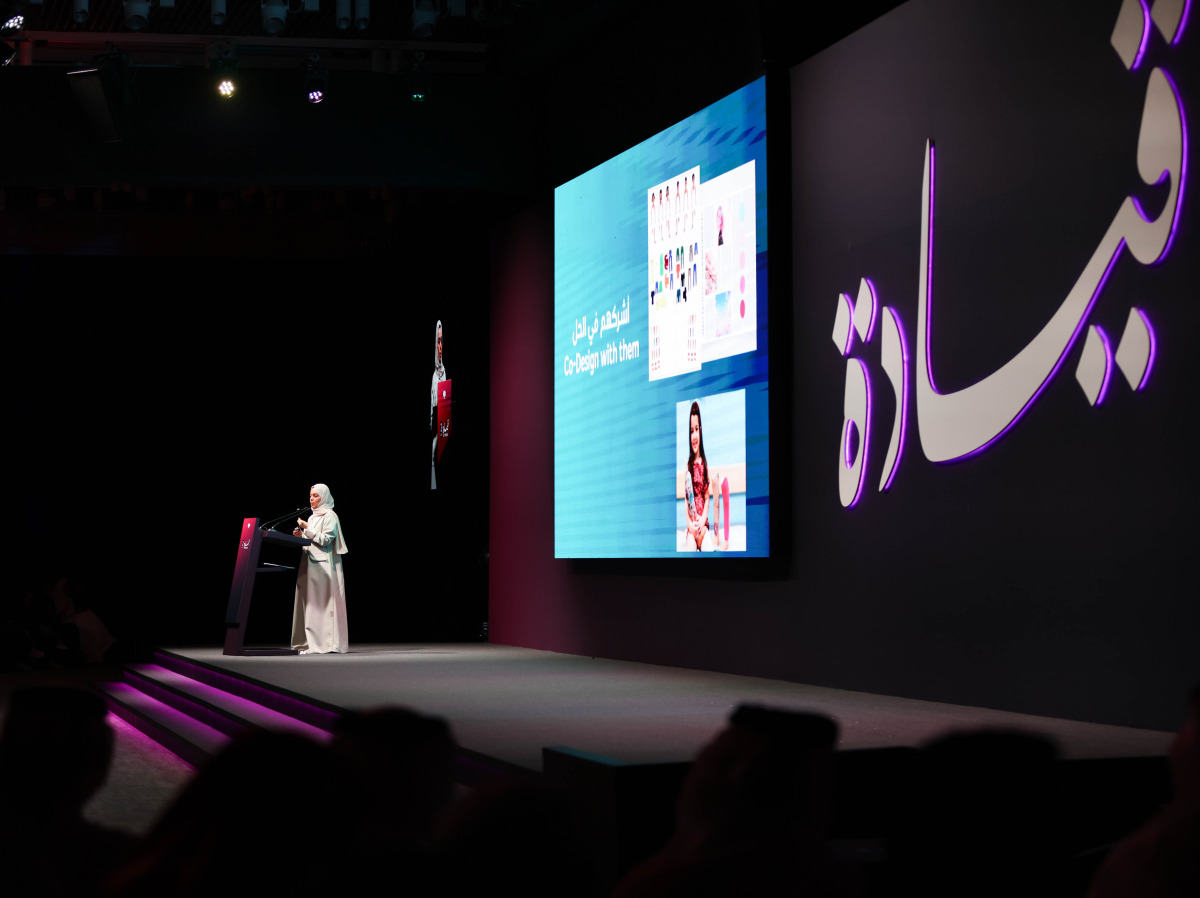
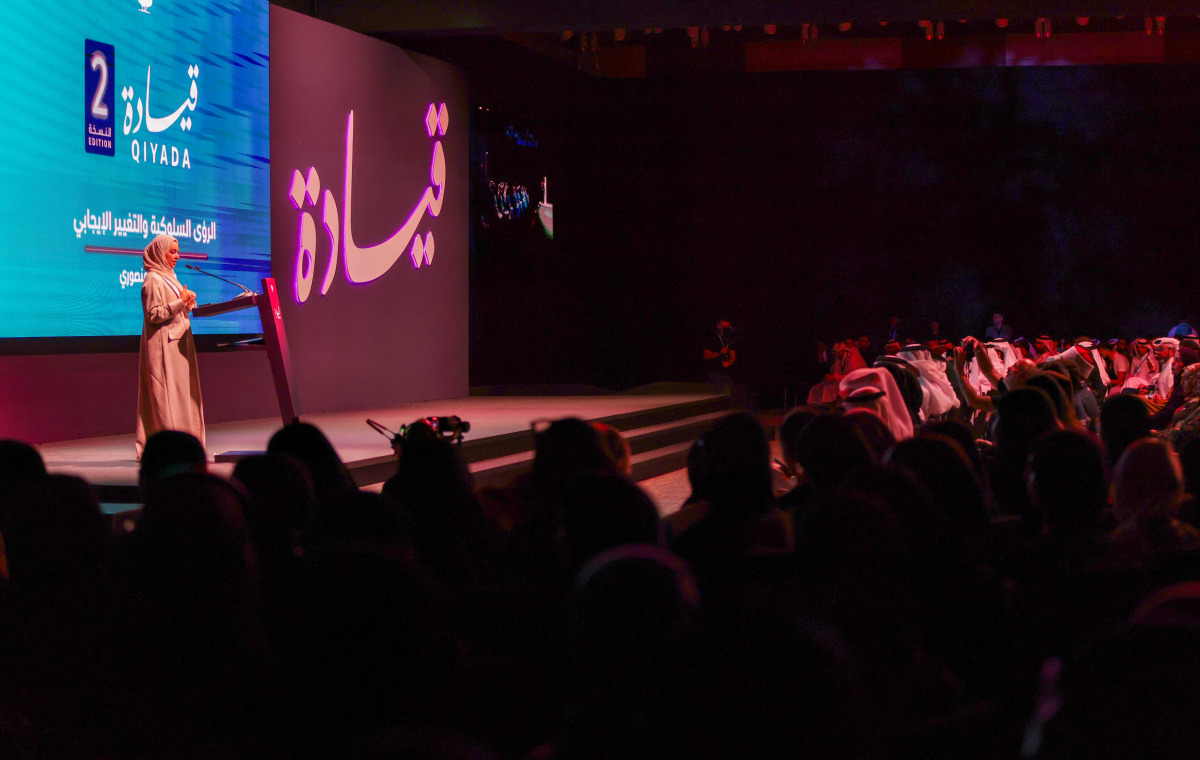
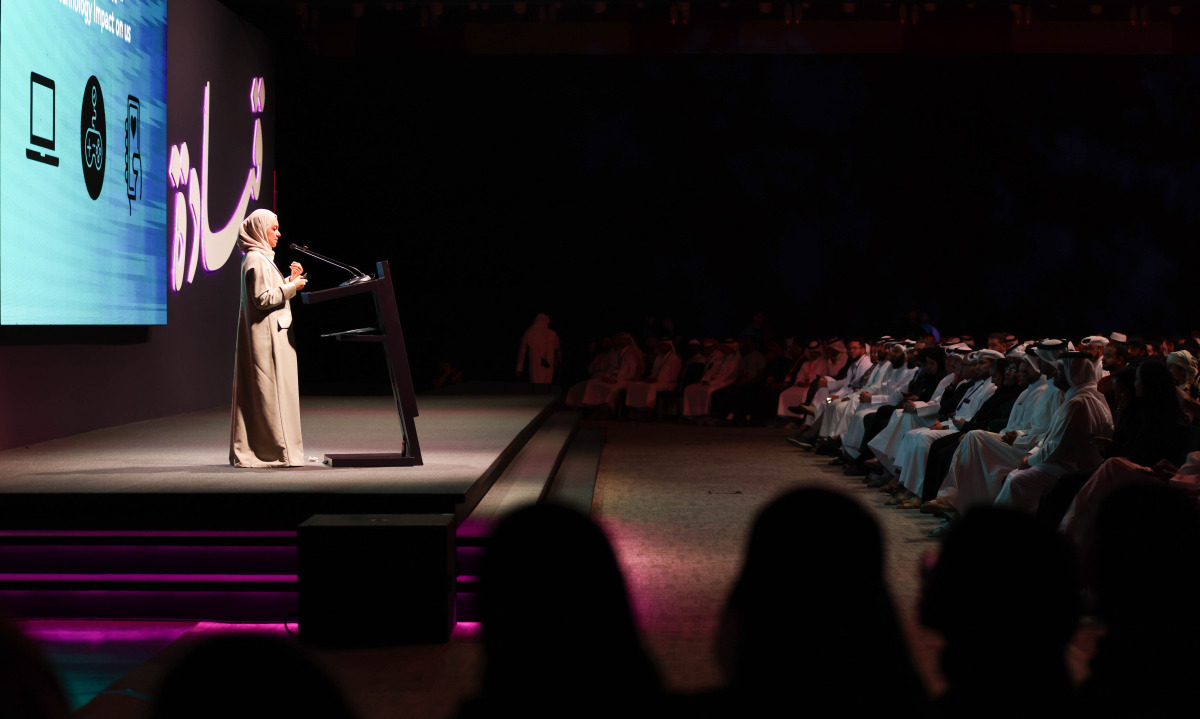
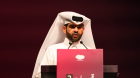
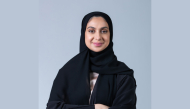
Speaking about ‘Behavioral Insights for Positive Change’, Dr. Reem Al Mansoori, Director of the Behavioral Science and Nudge Lab at the National Planning Council, told the young Muslims gathered at QIYADA: “Behavioral science is one of the most important disciplines to have utilized human psychology to steer individuals and groups toward specific behaviors that contribute to societal changes.
“Many of us cite developed nations – such as the United States, the United Kingdom, and Australia – that have established units of behavioral science specialists to leverage the field in policymaking and the achievement of development goals.
“The fact is that our Arab and Islamic heritage abounds with rich examples—starting with Quranic stories that employ descriptive and conversational techniques—which have always influenced, and continue to influence, the human spirit.
“Examples from the Qur’an include the Prophet’s use of repetition for the purpose of guidance, such as his saying ‘Do not get angry’ three times to ensure the meaning became firmly established in the hearts of his companions. Arabic poetry offers examples of the use of specific words to stir the resolve to pursue lofty goals.”