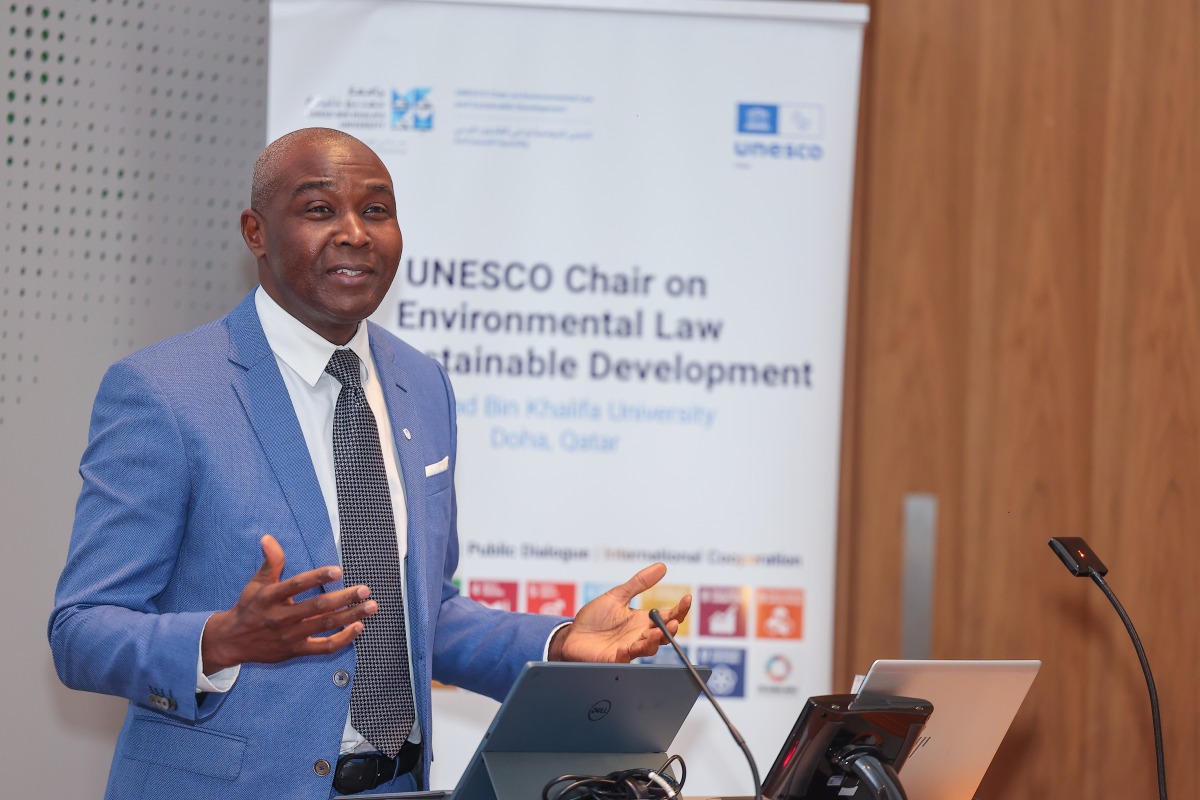
Secretary General of the Gas Exporting Countries Forum (GECF) Dr. Philip Mshelbila
Doha, Qatar: Qatar’s prominent position in the global energy sector, particularly natural gas, is matched by its responsible approach to leadership, partnership and international cooperation, Secretary General of the Gas Exporting Countries Forum (GECF) Dr. Philip Mshelbila has said.
Speaking at the second lecture of the Distinguished Speaker Series of the UNESCO Chair on Environmental Law and Sustainable Development at Hamad Bin Khalifa University (HBKU) yesterday, Dr. Mshelbila highlighted Qatar’s vast gas reserves, production capacity and position as one of the world’s leading LNG suppliers.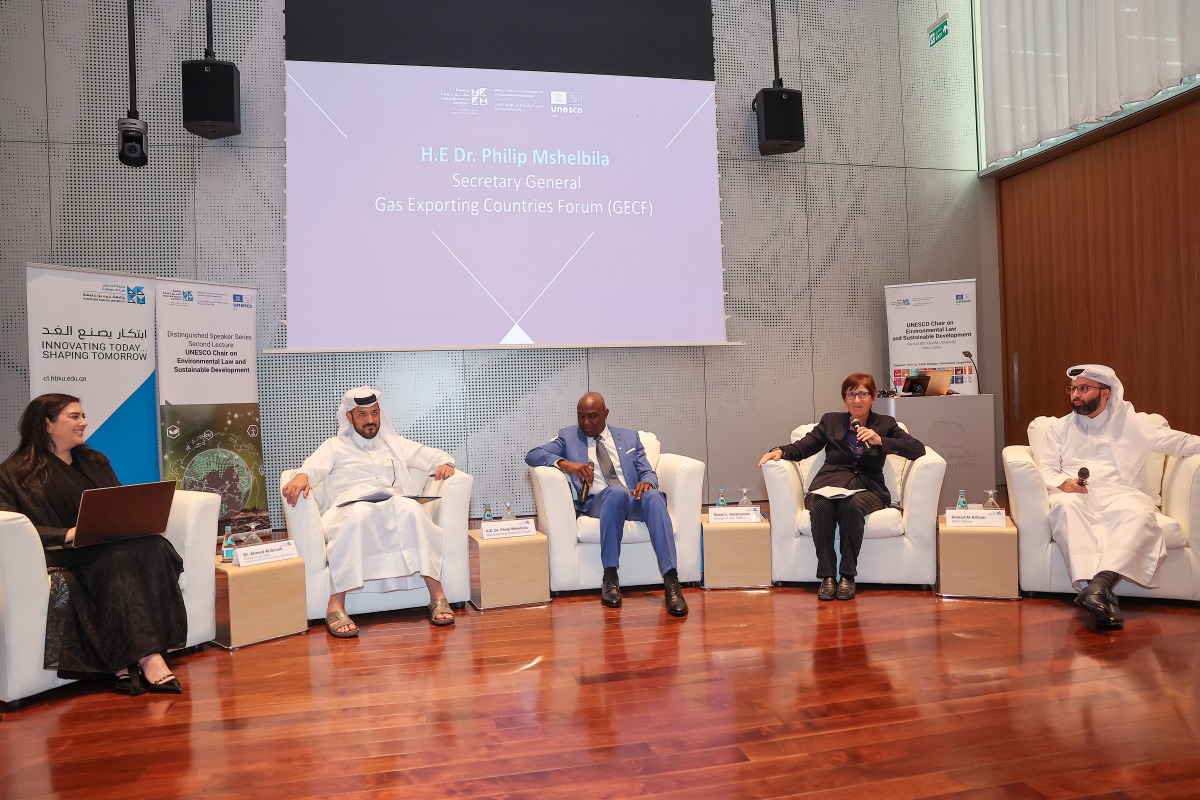 He also praised Qatar’s strong support for the GECF, including hosting the organisation and fostering an environment conducive to cooperation among gas-producing countries.
“It’s not enough to just have power, it’s how you use it,” he said, noting that Qatar demonstrates responsible leadership through engagement, partnership and long-term foresight.
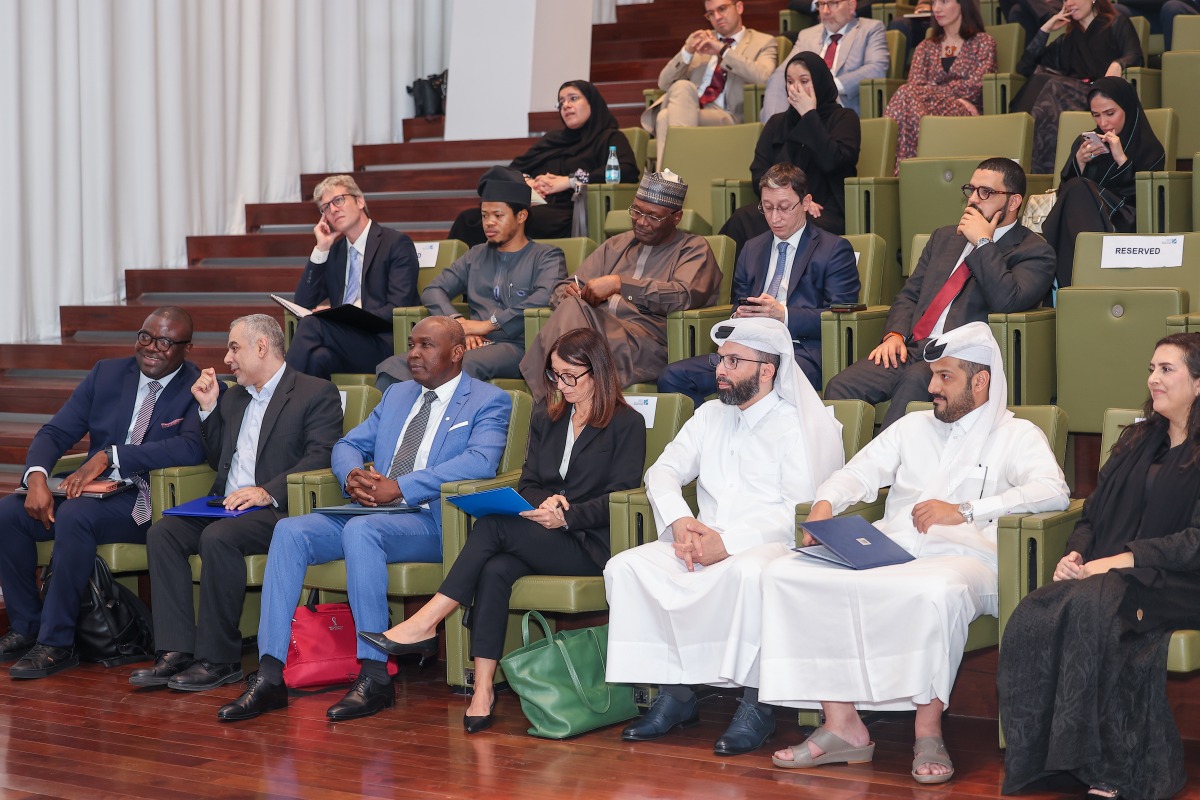
Dr. Mshelbila said Qatar’s long-term vision has been instrumental in driving the country’s development and economic progress.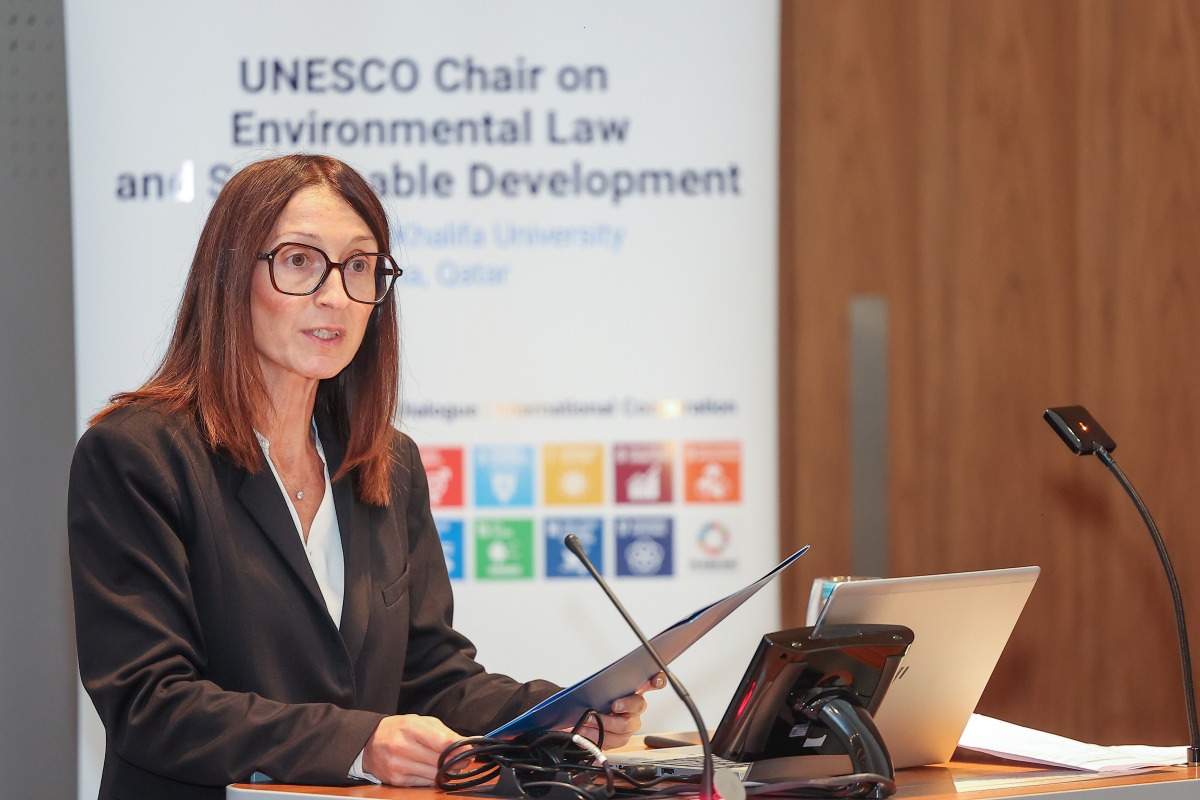 The event, hosted by the UNESCO Chair on Environmental Law and Sustainable Development at HBKU Dr. Damilola S. Olawuyi was attended by the Ambassador of Nigeria H E Professor Mahmood Yakubu, Ambassador of Uzbekistan H E Ashraf Khodjaev, Dean, College of Law at HBKU Dr. Susan L. Karamanian, CEO of Qatar Mining Hamad Al-Athbah, President of International Law Association (GCC Branch) Ahmed Al-Sulaiti, Farida Aboudan, who represented the Director, UNESCO Doha Office for Gulf States and Yemen; and other distinguished guests.
 The GECF Secretary General pointed out that the global energy transition must be practical, balanced and supported by sustained investment in natural gas and other energy sources to ensure security, affordability and economic development, adding that the recent global energy shocks have demonstrated the dangers of pursuing energy transition without adequately considering energy security and affordability.
Dr. Mshelbila noted that the global energy system has faced successive shocks since the COVID-19 pandemic, including the collapse in energy demand during the pandemic, geopolitical disruptions linked to conflicts and growing pressure on global supply chains.
“The global energy system is being re-engineered while it is still operating,” Dr. Mshelbila said, describing the challenge as similar to “fixing the airplane as we fly it.”
e stressed that an immediate shift away from fossil fuels was impractical, making gradual decarbonisation alongside the expansion of renewable and alternative energy sources a more credible pathway. Multiple pathways, he said, are therefore necessary to allow countries to pursue their climate ambitions without compromising energy security and development.
Dr. Mshelbila highlighted transitions, geopolitical tensions and technological transformation as three major forces reshaping the global energy landscape. Artificial intelligence, data centres and digitalisation are improving energy efficiency and opening new opportunities, but are simultaneously creating enormous electricity demand and increasing cyber risks to energy infrastructure. According to the GECF chief, global primary energy demand is projected to increase by about 20 percent by 2055, driven by industrialisation, urbanisation, rising living standards, cooling requirements and population growth, particularly in Africa and Southeast Asia.
Against this backdrop, he argued that the traditional definition of energy security as uninterrupted energy availability is no longer sufficient.
Energy security, he said, should encompass five critical elements, reliability, availability, affordability, resilience and sustainability, reflecting the principles of the United Nations Sustainable Development Goal 7 on affordable, reliable, sustainable and modern energy for all. Dr. Mshelbila said natural gas would remain crucial to meeting these requirements because of its reliability, flexibility and lower emissions compared with other fossil fuels. He noted that natural gas produces roughly 40 percent fewer emissions than coal and 20 percent less than oil, while liquefied natural gas (LNG) provides additional flexibility by connecting supply basins with demand centres globally.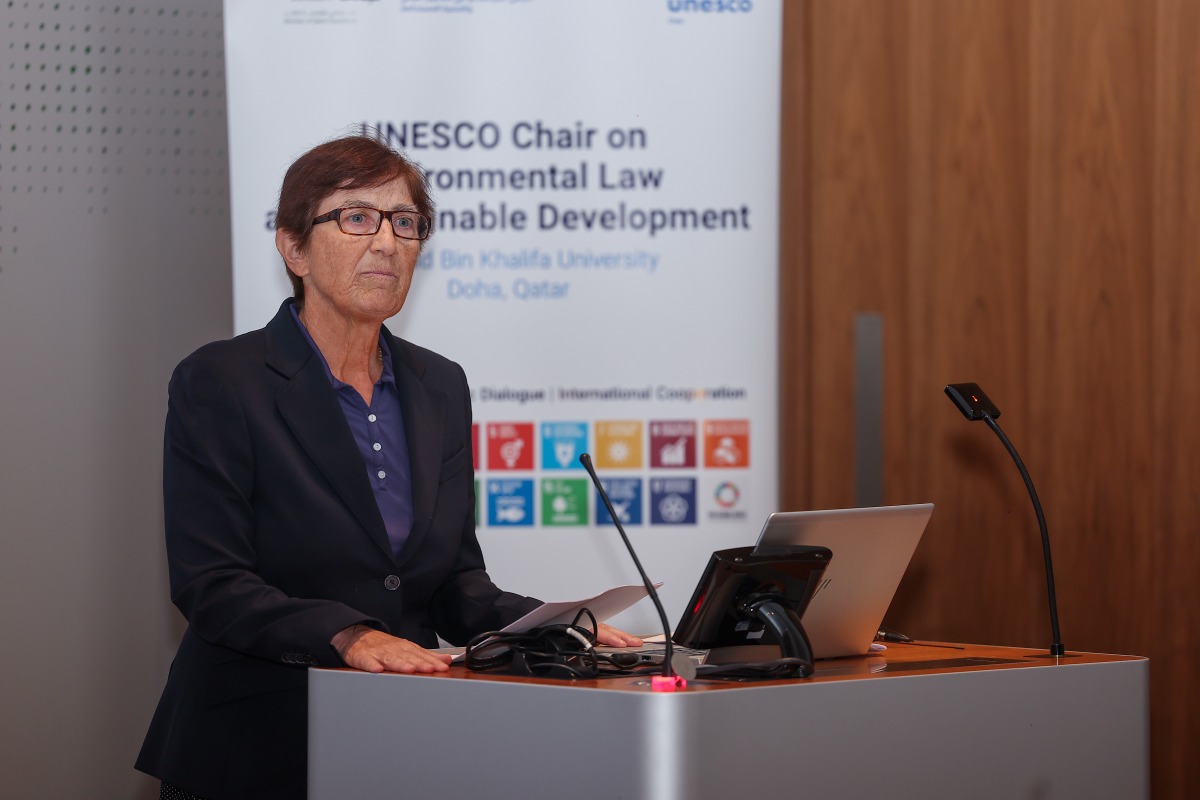 Citing the GECF’s Global Gas Outlook, he said gas demand could rise significantly under a sustainable energy scenario characterised by deeper decarbonisation, supported by carbon capture and storage, hydrogen, ammonia and other emissions-reduction technologies.