A massive transfer of assets is under way in the Middle East, as relatively young businesses in the first or second generation undergo a generational change. According to the 2019 Middle East Family Business Survey released by the PwC recently, an estimated $1 trillion in family business assets is expected to change hands over the next 10 years with wealth being mostly held by large families.
It is estimated that more than half of family businesses in the GCC are in the midst of transitioning from the second to third generation. With a GDP contribution of 60 percent and a workforce contribution of 80 percent, Mideast family businesses play a particularly significant role in the region’s economy. The study also predicted that family businesses need double-digit growth each year to preserve wealth from one generation to the next.
Citing the latest figures, the survey also revealed that growth amongst Middle Eastern family businesses over the last 12 months decreased compared to 2016. Still, 53 percent of those surveyed saw growth (vs.74 percent in 2016), with 28 percent of them even experiencing double-digit growth.
Lower oil prices have impacted growth but the outlook is optimistic and ambitious, with 82 percent of them expecting to grow in the next two years. However, 78 percent of the respondents said they are concerned by the economic environment.
Total turnover of respondents topped $10bn and represented a broad range of sectors including food and drink, manufacturing, construction, education, and health. Half of these businesses work in multiple sectors and multiple countries, compared with a quarter that does the same globally.
Further, leaders surveyed said that attracting and retaining the best talent was amongst their top priorities over the next two years, with 94 percent citing this goal. Sixty-six percent of those surveyed in the Middle East said they are taking significant steps to improve digital capabilities in the next two years, a bit higher than the 57 percent globally.
More than a third of Middle Eastern family businesses expect to change their business models over the next two years, 34 percent compared to 20 percent who expect this globally. In the list of top five challenges facing family businesses over the next two years, the economic environment is followed by the need to access the right skills (66 percent), the need to innovate (63 percent), the impact of regulations (63 percent) and succession planning (53 percent).
In the study, Mideast family businesses were also called to operate in a new norm with increased challenges. These include changing market dynamics calling for new business models, digitalisation which is disrupting whole industries and requiring new related skillsets, and millennials changing the way companies do business. Trust in institutions and technology is also more important than ever.
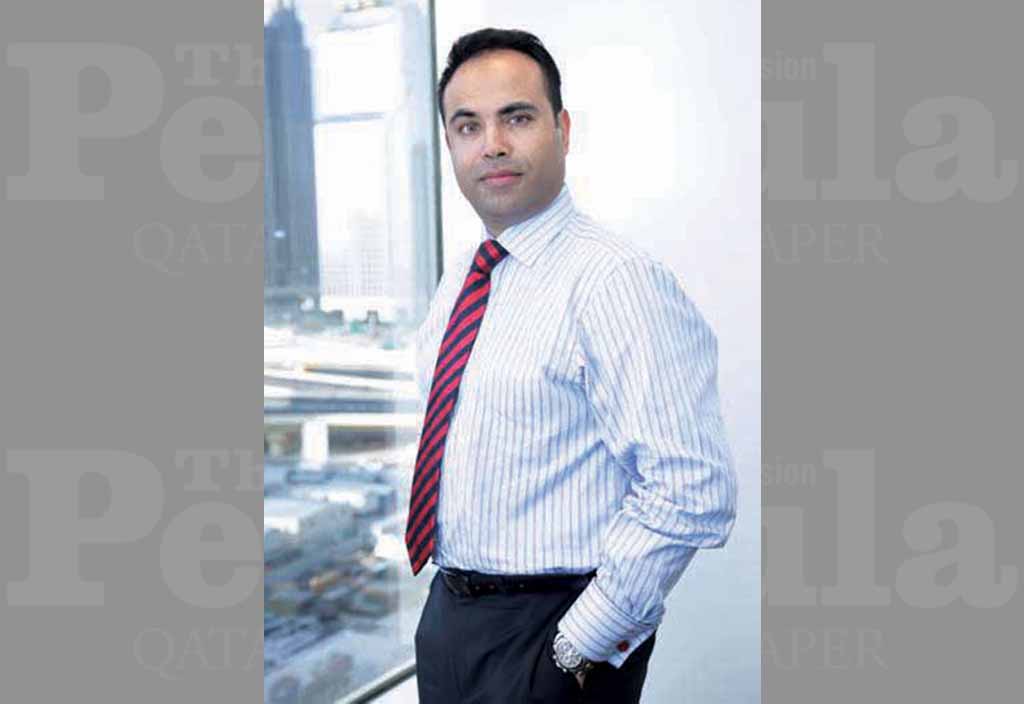
Adnan Zaidi (pictured), PwC Partner and Middle East Entrepreneurial & Private Business Leader, said: “Family business leaders need to professionalise their business, establish better corporate governance and organise a succession plan to ensure a smooth generational transition.