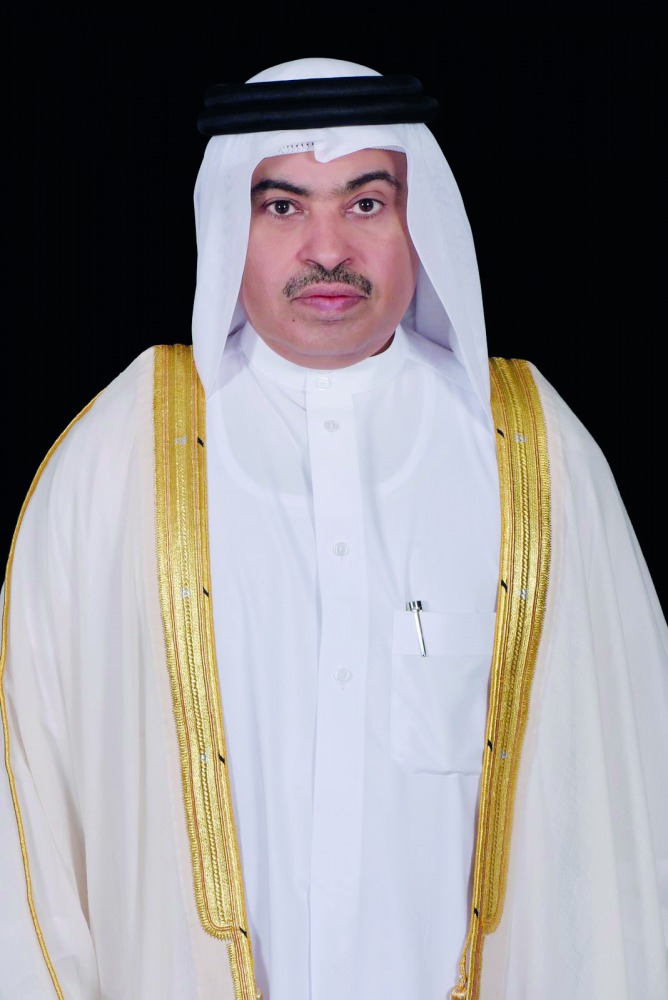
H E Ali bin Ahmed Al Kuwari, Minister of Commerce and Industry
DOHA: The Minister of Commerce and Industry, H E Ali bin Ahmed Al Kuwari, said in Davos that Qatar has recently brought about radical structural reforms to tackle obstacles to the growth drivers, as part of opening up its economy for potential international investors.
Participating in a session on “Multilateral Strategic Visions: The Future of Policy-Linked Investment”, at the World Economic Forum (WEF), the Minister noted Qatar has sought to make its economy more accessible to the world. The country has begun to fast-track the implementation of progressive policies to further attract foreign direct investments. The FDIs increased by 4 percent or $7.8bn to $186bn at the end of the first quarter of 2018. This increase is driven by Qatar’s revised legislations and regulations to provide further incentives to foreign investors and allow up to 100 percent ownership in all sectors, which benefit from income tax exemptions as well as exemptions from customs duties on the import of all required goods for production.
Qatar is also allocating lands by way of rent for up to 50 years to foreign investors to establish their projects while allowing foreign companies to transfer their investment returns to their home countries in any convertible currency and investors to transfer the ownership of their companies to a Qatari or foreign investor in accordance with applicable laws. Currently, Qatar allows investors up to 100 percent ownership in free zones and offers tax exemptions for up to 20 years amid no restrictions on the repatriation of capital. The investors in these areas can export to local markets, tap investment funds and enter into joint ventures with local state-backed companies.
Al Kuwari added that Qatar is also in the process of drafting a public and private partnership law to pave the way for the launch of major new projects as the government bolsters spending on state-of-the-art infrastructure and logistics in line with the highest international standards.
He said the illegal blockade imposed on Qatar by the Arab quartet was aimed at undermining Qatar’s position as an economically independent and sovereign state. However, it presented an opportunity for Qatar to cement its position as one of the most resilient, diverse and competitive economies in the region.
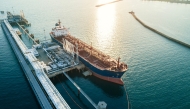
The country has worked on establishing new shipping routes with its trade partners worldwide, including Pakistan, Kuwait, Iraq, Oman, Turkey, India, Azerbaijan, and countries in Central Asia. Through agreements with these countries, Qatar aims to target a population of four hundred million, in the first stage. He added that Qatar aims to achieve this goal by capitalising on its strategic location between East and West and utilizing its hi-tech logistics capability and world-class facilities such as Hamad Port and Hamad International Airport to bolster trade.
The Minister explained that Qatar’s new port accounts for 27 percent of the regional trade volume in the Middle East with an annual capacity of 7.5 million shipping containers while Hamad International Airport is one of the biggest in the region. The airport links Qatar to more than 160 destinations through Qatar Airways, which was recently voted the best airline in the world. This strategy has proven to be highly successful so far.
The Qatari exports increased by 18 percent in 2017, which resulted in a surplus of 49 percent in Qatar’s trade balance. Overall, Qatar’s foreign trade grew by 16 percent in 2017.
The foreign companies that choose to operate in Qatar have now access to economic and logistics zones in strategic locations in close proximity to Hamad International Airport and Hamad Port. These areas support local and foreign investors through fully equipped sites of various sizes as well as sophisticated warehousing parks and industrial zones.
Qatar’s advanced logistics and infrastructure have bolstered the productivity of the private sector, enhanced the competitiveness of domestic industries and paved the way for the development of a strong production base that contributed to balanced economic growth.
On the sidelines the World Economic Forum, the Minister met with a number of ministers and officials participating in the forum. They included Erlangga Hartarto, Minister of Industry of the Republic of Indonesia; Maxim Oreichkin, Minister of Economic Development of the Russian Federation; Francis Gurry, Director General of the World Intellectual Property Organization (WIPO); and Arancha Gonzalez, Director-General of the International Trade Center (ITC).
He also met with CEOs of major international companies and financial institutions, including Mark Allen, President of Boeing; Frederic Odea, CEO of Societe Generale Bank; and Andre Kosten, Chairman of VTB Bank of Russia.