DOHA: The GCC countries, including Qatar, continue to display its strong trade ties with Brazil and Qatar has emerged as the second largest trading partner after Saudi Arabia.It accounted for 26.30 percent (or $666.54m) of the combined value of $2.54bn GCC-Brazilian imports recorded between Q1 and Q3 of 2015.
According to the recent reviews of the Arab-Brazilian Chamber of Commerce (ABCC), mineral fuel and oil accountged for top imports amounting to a total of $1.75bn during the same period. The positive trend showcases the steady trade relations between the two regions as well as Brazil and the Gulf’s vibrant and dynamic business landscape.
To date, Saudi Arabia takes the top rank over other Arab countries for having the highest share in at 43.71 percent with $1. 11bn worth of imports, followed by Qatar.
The UAE comes third at 14.63 percent with $372.08m, while Kuwait has 11.51 percent at $292.93m. The UAE showcased marked growth compared to the previous year, recording an increase of 10.37 percent, while Qatar experienced a 55.11 percent growth.
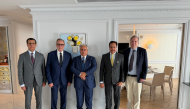
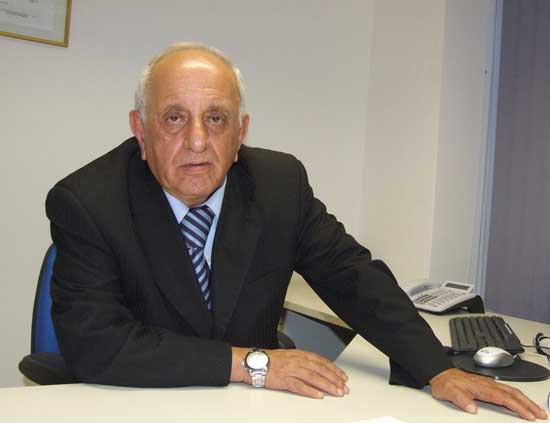
Dr Michael Alaby, (pictured) Secretary General and CEO, ABCC, said: “Brazil and the Arab region have always enjoyed strong bilateral relations, and the impressive numbers recorded within the first three quarters of the year underscore the immense trust and confidence placed by Brazilian Arab countries. In addition, it also highlights the Arab regions’ eagerness to address the demand for products from Brazil and offer high-quality commodities.”
Brazil has imported mostly mineral fuel and oil which recorded a 68.83 percent share of the overall recorded imports for the Gulf. This was followed by fertilisers with an 18 percent share of the total amount at $458.13m and plastic at 5.70 percent with $145.04m worth of imports between January and September of 2015. These three were ranked as the top commodities in demand within the region.
The efficient operations and transactions that come as a result of open communication channels streamline business operations, create more opportunity for investors in Brazil and the Arab region to explore more prospects in the horizon.
THE PENINSULA