Visitors at the Doha International Book Fair.
Doha, Qatar: As visitors explored the vast genres and diverse book pavillions representing more than 30 countries participating in the Doha International Book Fair, one crucial question echoed among attendees and vendors across the venue: Is the art of reading physical books losing charm due to social media and fast-paced digital content?
The Peninsula spoke with a number of attendees and publishers to understand how the rise of social media has affected people’s centuries-old relationship with reading paper books. Opinions varied, yet most agreed that reading itself is not necessarily disappearing, but transforming to fit the current digital landscape.
Rawan Odeh, a 23-year-old graphic designer attending the fair, believes physical books still hold an emotional and psychological power that digital content cannot replace.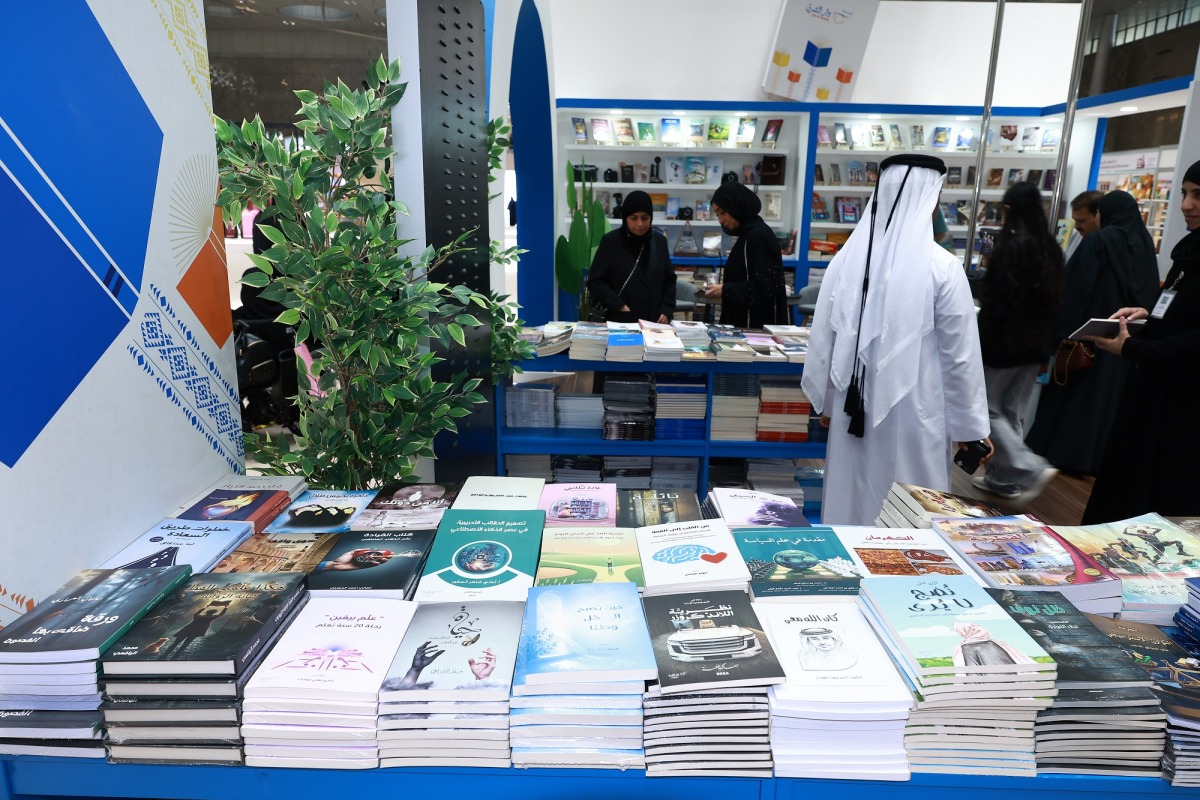 “I don’t think that the art of reading or books is dying,” she said. “People who genuinely enjoy reading understand the art of actually reading a physical book and the difference it makes. The effect of it is ten times more powerful and impactful than something you would read or see online.”
Still, she acknowledged that social media has affected attention spans; including her own. “I have seen a difference in my attention span over the past few years,” she admitted. “I think that’s due to how fast-paced the world is and, obviously, social media. But it’s a practice at the end of the day. We still have control over that.”
Others at the fair were more pessimistic about the state of reading today. Shayma, a 29-year-old architect visiting the exhibition in search of rare architectural books, argued that reading culture has already weakened and is no longer as prevalent as it once was.
“100%, they already don’t,” she said when asked whether people still read as much as before. “I know people forcing themselves to read because they haven’t touched books for years. Some of my friends even started a club just to make themselves buy and read a book once a month.”
Although she acknowledged the convenience of digital media for creative fields like architecture and design, she still viewed books as a more credible source than information circulating online.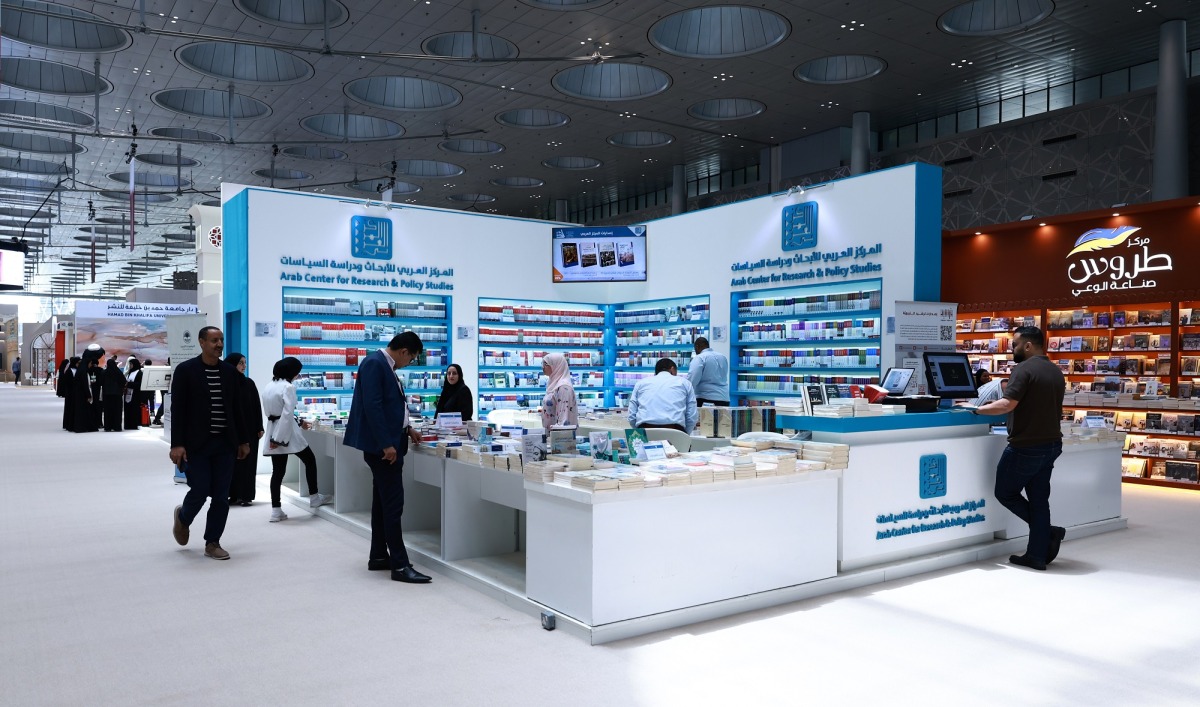 “With books, the data is fact-checked,” she explained. “On social media, anyone can write or publish anything.”
Publishers at the fair gave a different perspective, suggesting that reading itself is not disappearing, but that the culture and format of reading may be evolving.
Yahya Fekry, from a publishing house, said, “Books still have their audience. The real question is not whether books will disappear, but how people choose to read them.”
Fekry pointed out the rise of audiobooks and digital reading platforms as evidence that reading may be adapting rather than fading away completely.
“The importance is still there,” he said. “Books provide something that fast content cannot provide. The medium through which books are delivered is what is evolving.”
A similar perspective came from an official of a publishing platform who said, “I’m not going to be optimistic or pessimistic,” she said. “The importance of books is still present in our lives because of the presence of social media, audiobooks, and electronics. Information has become much easier to access.”
While she expects reading habits to continue changing, she does not believe books will disappear entirely. “There is still an audience dedicated to reading, especially traditional books,” she said. “For many people, reading is enjoyment. There might be a slight transition in the medium, but books will remain very present.”
At the Doha Book Fair, filled with different backgrounds, readers, and perspectives, the conclusion was more complex than a simple yes or no: reading may not be dying, but instead changing its format to adapt to the world around it.