By Satish Kanady
DOHA: With bulk of the first half earnings season now over and the banks delivering weak numbers, the focus is on 2017. Qatar’s banks will continue to face challenges in the remaining year, but is expected to turn more positive next year, according to top market experts.
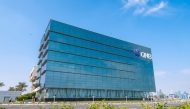
Looking at third and fourth quarters of 2016, Qatar’s the banking sector is seeing a downside risk, but investors are confident about 2017. Liquidity pressures, mainly as a result of decline in oil prices, have resulted in a reduced flow of funds into the banks. With the decline in liquidity, the cost of funding for banks has also increased. Both local currency and dollar liquidity have been more difficult to access during the year, resulting in banks looking extremely for diversified sources of funding, Omar Mahmood (pictured) , Partner, Head of Financial Services for Middle East and South Asia, KPMG Qatar told The Peninsula in an interview.
“For Qatar, our view is the rest of 2016 is challenging for the banking sector. The headline numbers seems okay, but it’s not really doing well. So far, it has been challenging in this year. The challenges will persist in the rest of the year. We are over banked, pricing is very difficult and there is huge pressure on funding. But we expect a turnaround in 2017,” he said.
As the FIFA World Cup draws near, we expect a pickup in government spending on committed projects, which will fuel balance sheet growth for banks in Qatar. Banks will also look externally for higher returns through acquisitions and possible investment opportunities given the domestic pressures currently being faced.
“We believe banks will continue to look to access the capital markets for funding through EMTN, sukuk issuances and local capital issuances”. Margins are being squeezed, mainly due to the rise in the cost of funding. Banks have been forced to look at alternatives/costlier sources of funding as a result of the decline in government and related entity deposits as a result of the fall in oil prices.”
On the banking stocks’ performance, Omar said shares in banks have seen a gradual decline in the second quarter on year-on-year, but performed better compared to overall Qatar Stock Exchange Index. Of typically, there is a correlation, how fundamentals are performing and the stock prices. Qatari stocks, like any other GCC markets, are more driven by sentiments.
On the impact of a possible Fed rate hike on local market, Omar said: “Both technically and fundamentally it will have an impact on the stock prices of banks and companies, but the point is you don’t know whether it will really weigh on Qatari stocks. Because the sentiment around is too bullish and too volatile.”
Ratings agency S&P said yesterday the cost of funding for banks in the region has been increased with the decline in liquidity. In the same vein, the drop in economic growth has exposed the most vulnerable borrowers, primarily subcontractors and small and midsize enterprises, leading to higher default rates and provisioning needs. “Overall, we think that not only will banks’ loan growth decline, but profitability will also drop, prompting some banks to take a closer look at their efficiency and potentially triggering mergers or acquisitions.”, S&P analysts said.