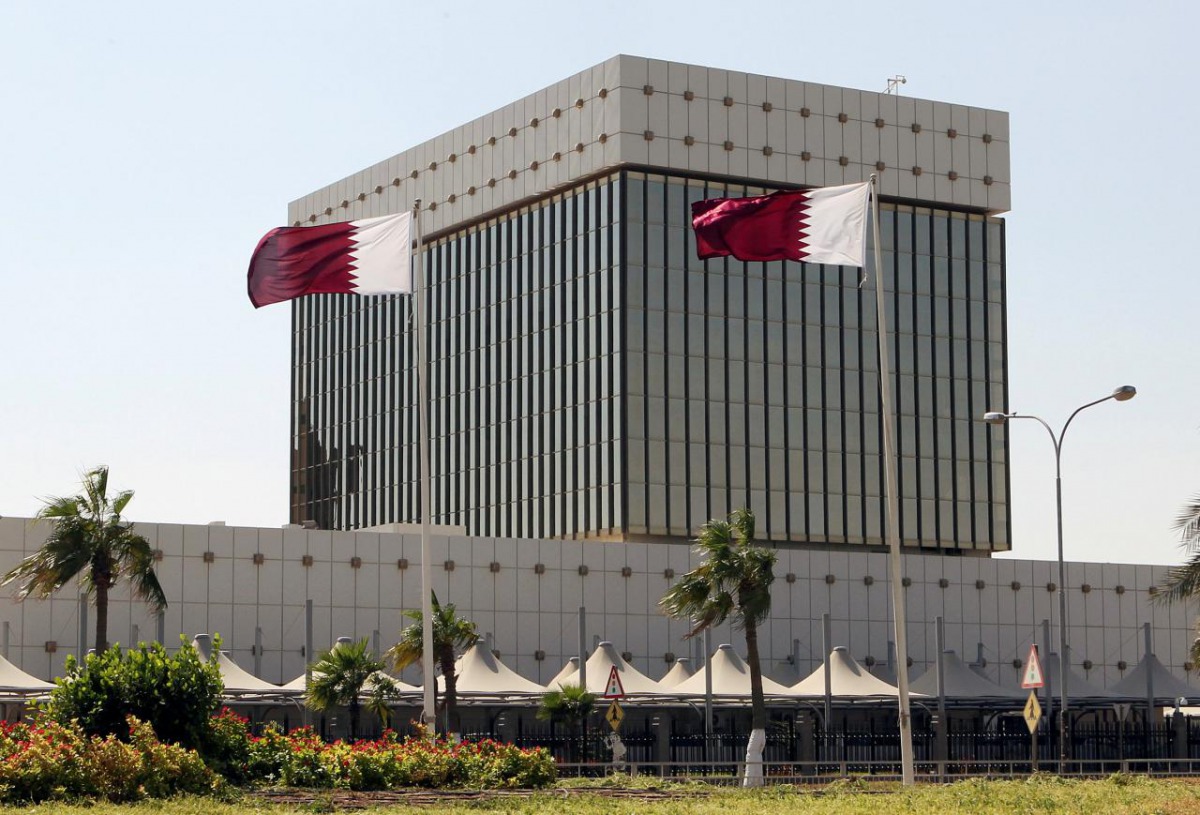
Qatar Central Bank (QCB) has announced an investigation into the attempts to harm Qatari economy through the manipulation of its currency, securities and derivatives markets.
In a strongly-worded statement issued yesterday, QCB Governor H E Sheikh Abdulla bin Saoud Al Thani said the Central Bank knows that the blockading countries and their agents are attempting to manipulate and undermine Qatari riyal, securities and derivatives, as part of a coordinated strategy to damage Qatar’s economy. “We will not stand by while our country is attacked in this manner,” he said.
The Central Bank has engaged international law firm Paul, Weiss, Rifkind, Wharton & Garrison LLP to lead an investigation into economic manipulation. A number of financial institutions and individuals have been asked to preserve documents in advance of legal proceedings.
“Make no mistake – where we find attempts to manipulate the Qatari riyal or Qatar’s financial markets, we will take every step to identify and hold accountable anyone engaging in, or attempting to engage, in this illegal behavior,” Sheikh Abdulla said.
“Until the illegal blockade is lifted, the QCB will work to ensure our financial sector and economy remains robust and stable despite the illegal actions of the blockaders”, the QCB Governor said.
Earlier, Al Jazeera, citing an investigative news website report, said a plan by the UAE to weaken Qatar’s economy was found in the email account of Yousef Al Otaiba, the UAE ambassador to the United States.
In an interview with Reuters in November, QCB’s Khalid Alkhater explained how some Arab states were trying to destabilise Qatari riyal. Alkhater said part of the strategy to undermine the riyal involved trading Qatar government bonds at artificially low prices to suggest the economy was in trouble. This failed because the market in Qatari bonds was illiquid, so trading in high volumes was difficult, and because Qatar had taken precautionary steps, said Alkhater.
A Doha-based Forex trader told The Peninsula that one way of currency manipulation is that banks or forex traders in a foreign market can quote the said currency at a very lower level than on the onshore market.
This would force the investors to go for offshore market, leading to gradual value erosion of the currency. QCB recently pledged to provide dollars to both local and foreign investors at the official exchange rate after global index provider MSCI considered using the offshore rate to value the country’s stocks. MSCI later decided to stick with the onshore rate.