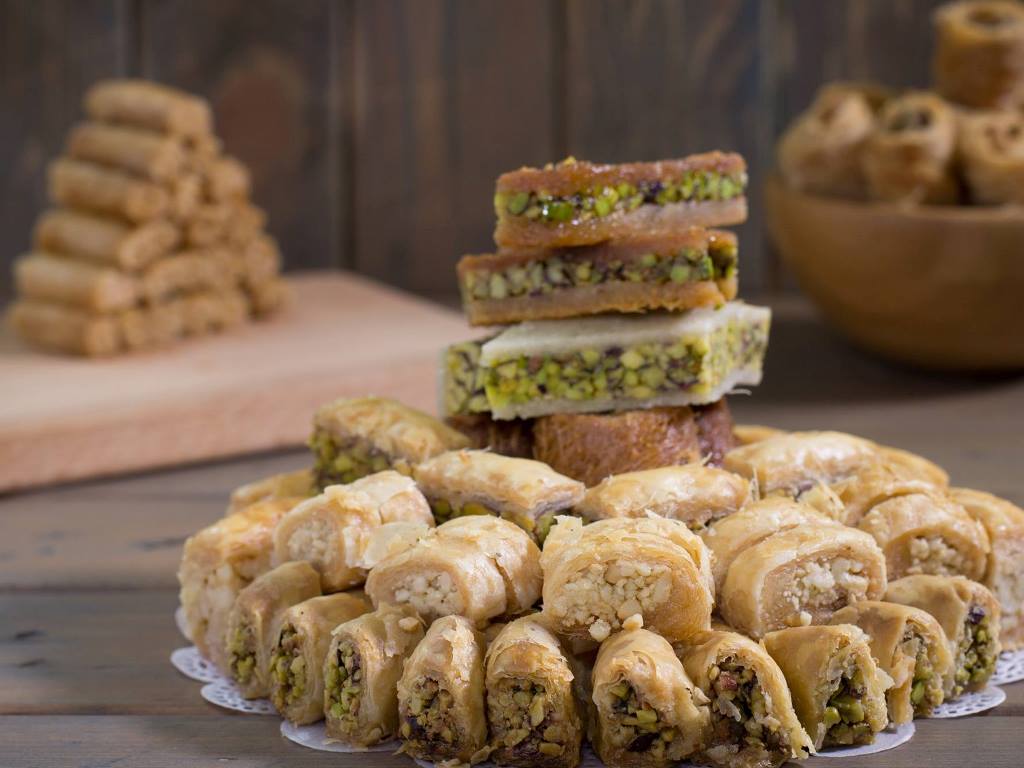
DOHA: Diet plays an important role in staying healthy, especially for people with diabetes and according to Zohair Al Arabi, Clinical Dietitian at Hamad Medical Corporation (HMC), with careful planning, diabetics can enjoy all that the festive season of Eid Al Fitr has to offer.
The end of Ramadan and the beginning of Eid Al Fitr festivities can be a challenging time for many people with diabetes due to the risk of hyperglycemia caused by overindulging on sugary foods and beverages.
Al Arabi said that while overeating foods high in sugar, such as cakes, biscuits, and other sweets can lead to diabetes complications, with careful planning and attention to portion size,it is possible for most people with diabetes to include desserts in their meal plan, said a statement.

“People with diabetes should limit sugar and sweets but this does not mean they can never eat dessert. Cakes and other desserts are part of traditional Eid celebrations for many families. Many of these desserts contain a large amount of carbohydrates in a very small serving of food, so we advise patients with diabetes to be mindful of portion size.”
He added: “High-carbohydrate foods, such as bread, cereals, pasta, and rice are not forbidden, but they should be eaten in moderation. Balancing meals with lean protein and healthy fats, like grilled fish, is an important part of maintaining good blood sugar control and digestion,” said Al Arabi.
Staying hydrated is also important and Al Arabi has recommended drinking water before meals, noting that it can help increase the sense of satiety and lessen the desire to indulge on heavier foods and desserts.
He said that while eating the right foods, in the right quantities, can help keep blood sugar levels under control, it is essential to take prescribed medications as directed. He said diabetics should never adjust the times they take their medication, or the dosage, without their doctor’s approval. He has also recommended diabetics check their blood glucose levels more often during special holidays and other times when their normal routine is altered.
“Knowing and understanding the signs and symptoms of high and low blood sugar is essential for diabetics and their friends and families but this is especially important during times when one’s diet is altered, such as during Eid feasts. The signs and symptoms of hyperglycemia, or high blood sugar, can vary from person to person but common symptoms include extreme thirst, nausea, vomiting, abdominal pain, shortness of breath, and weakness and tiredness,” noted Al Arabi.
When caring for children with diabetes during Eid, Al Arabi has recommended planning ahead and incorporating substitutions, such as low-sugar, low-fat desserts. He has also recommended making fresh fruit a part of the dessert menu.