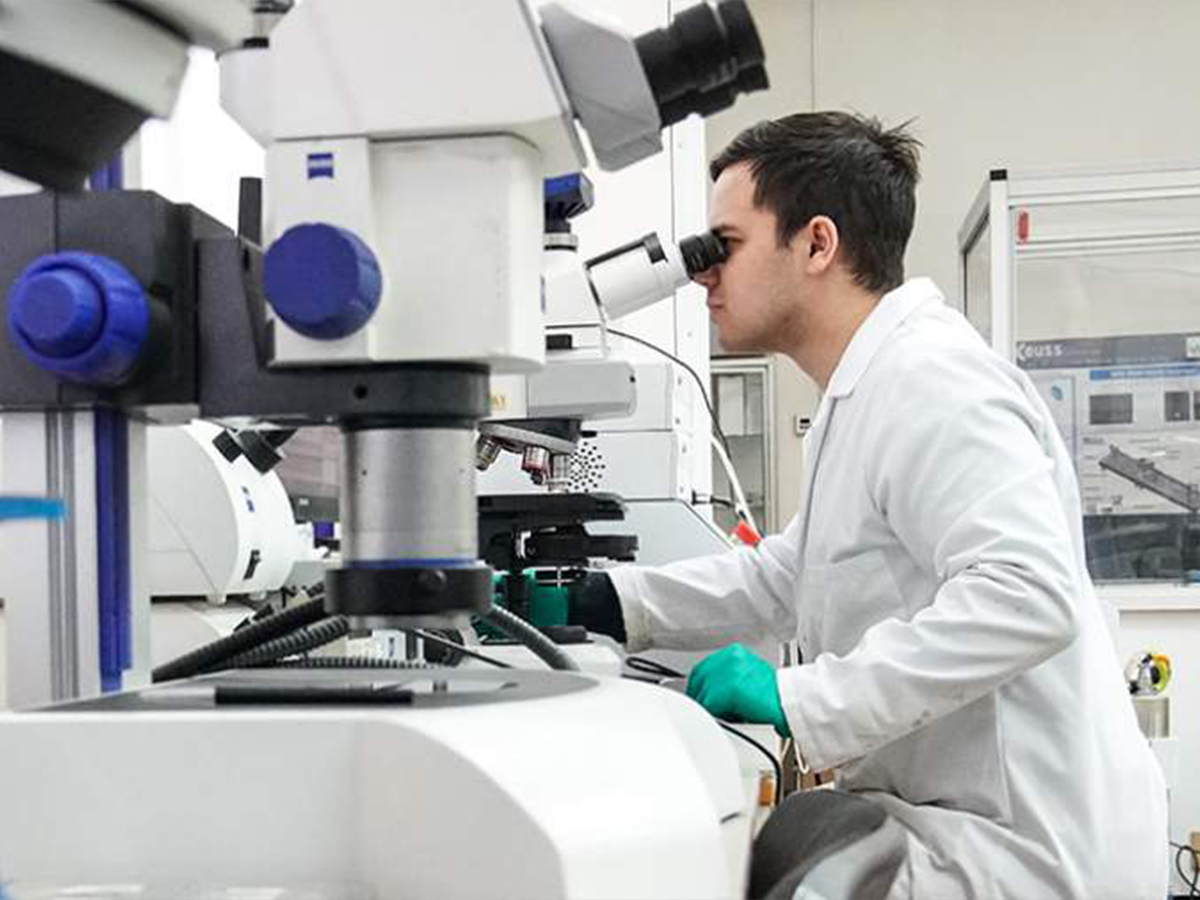
Moscow: Scientists in Saint Petersburg, Russia, have developed a new high-precision device capable of rapidly detecting cellular damage associated with accelerated aging, cancer, and other diseases.
According to the Russian Science Foundation, the device demonstrates accuracy 1.5 to 2 times greater than previously known analytical tools.
The innovation is based on a microfluidic chip that channels luminol and a solution containing free radicals through specially designed microchannels.
These structures enhance fluid mixing and fragmentation, enabling highly accurate and rapid measurement of reactive oxygen species (ROS) levels in the body.
The research team utilised chemiluminescence, the emission of light during a chemical reaction, as a diagnostic mechanism. Luminol acts as an indicator, producing a visible glow when reacting with active oxygen species, thereby allowing precise detection of oxidative stress.
The newly developed tool significantly outperforms conventional manual chemical mixing methods and may have applications beyond medical diagnostics, including forensic science for detecting trace amounts of blood.
Gleb Simonchenko, a research engineer involved in the project, stated that the device paves the way for a new generation of analytical instruments for biomedical applications, such as rapid blood testing and evaluating the effectiveness of cancer therapies. Future improvements will focus on optimising flow control within microchannels to enable more detailed analysis of ongoing biochemical processes.
Researchers note that the accumulation of reactive oxygen species, often linked to smoking, air pollution, and chronic diseases, can damage proteins and DNA. When exceeding normal levels, these molecules contribute to oxidative stress, a condition associated with accelerated aging and increased risks of cancer, cardiovascular disease, and neurodegenerative disorders.