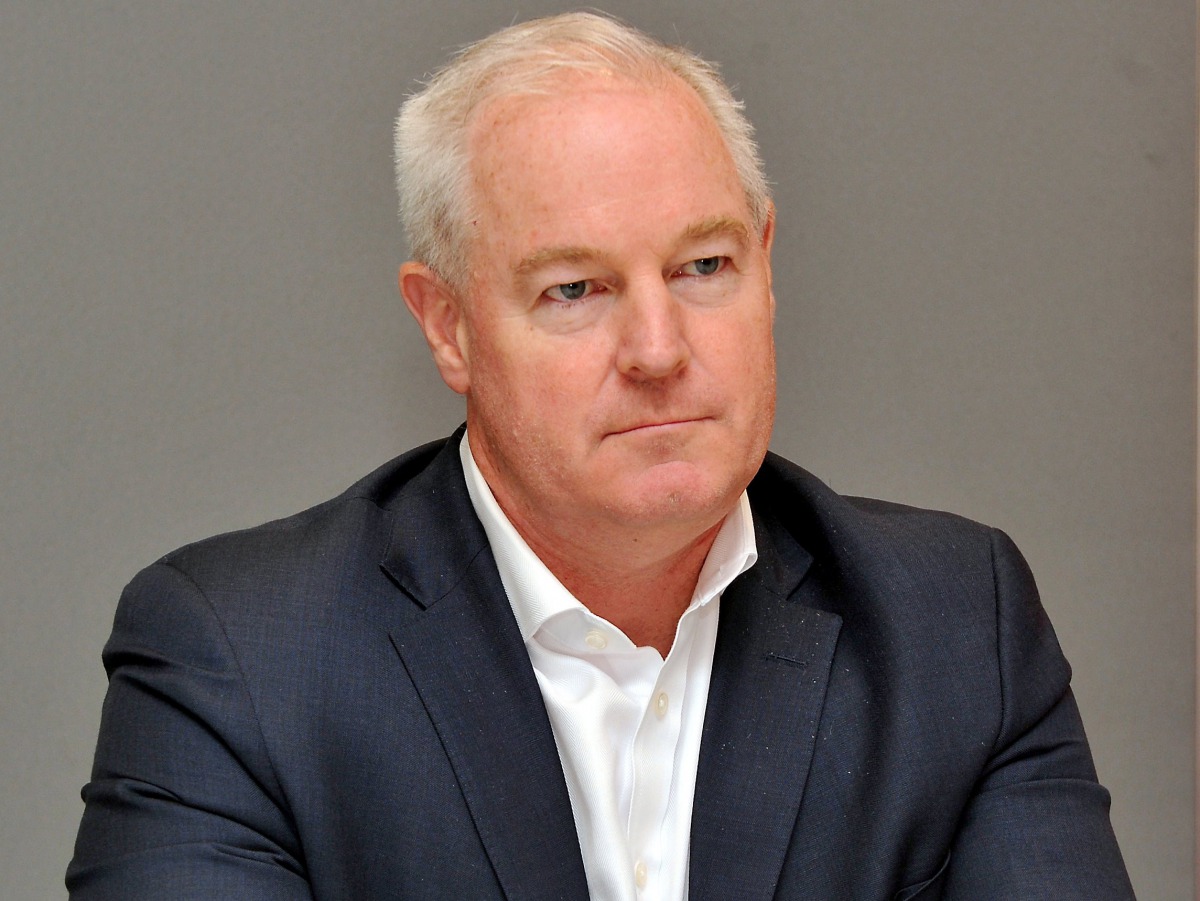
John Garvey, PwC’s Global Financial Services Leader and Principal at PwC’s New York office
Doha: The US President Donald Trump’s Phase One deal with China and the UK Prime Minister Boris Johnson’s ‘transformative’ Brexit deal do not guarantee a strong 2020 global economy, it seems.
“US-China Phase 1 trade deal and clarity on the first steps for Brexit, two of the biggest hurdles affecting the global economy have just been cleared. But that doesn’t mean 2020 will see global growth entering into a firmer footing,” John Garvey, PwC’s Global Financial Services Leader and Principal at PwC US’s New York office, told The Peninsula in an exclusive interview.
“Markets hate uncertainty. The first stage of Brexit has been completed with an agreement on the UKs exit from the EU, but the deal on the future relationship which applies from 1 January 2021 has yet to be negotiated. Regardless of the outcome, I still expect to see the UK maintaining a dominant role in Financial Services, which is a huge part of the economy. The impact on trade in goods will also be impacted with the likely establishment of a customs border that will affect physical trade between the UK and EU in both directions,” Garvey said.
While the US and China have signed the first phase of the trade deal, pre-existing tariffs remain in place and it will take time to manage their effects. “The trade deal may impact in terms of market psychology more than reality. I think both the US and China have some incentives to agree on a deal. But on the other hand, it would be interesting to see how Phase Two takes place and when it takes place. So we see that the uncertainty is still looming,“ he said.
The rise of technology companies and the data they possess, has the potential to reshape the banking and wealth management industries.
“Technology is transforming financial services and other industries as well. New business environments are fast emerging; also we see new challenges in the market. The industry needs to respond creatively to these opportunities and challenges, said Peter Burns, Partner, PwC Australia. On the productivity challenges in the financial services sector, Burns said.
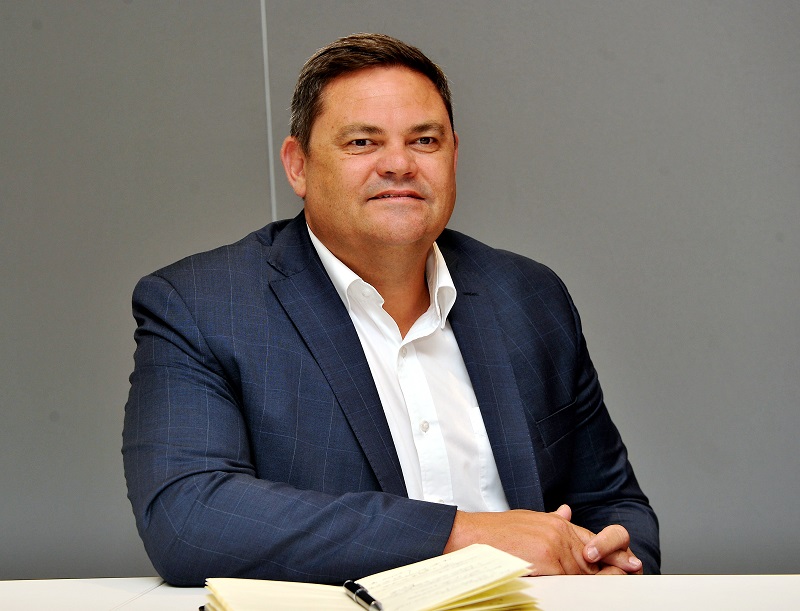
Peter Burns, Partner, PwC Australia Pics: Abdul Basit/The Peninsula
“It’s neither a sector issue nor a geographical issue. With the shift in technology, the global market is exposed to high transformational changes in the system. This requires a change in the workforce, people with new skills, and there is intense competition when it comes to customer service benchmarks. In this context, productivity will be a driver in the industry. Countries and organizations can tackle this in different ways,” said Burns.
“It’s not a question of investing more. If you look at PwC’s 2018 productivity survey, forty percent of respondents spend 20 percent of their entire budget on change efforts. But most of them are not confident about their ability to execute change. The question is, are they spending on the right projects?”
“We continue to see positive markets in Southeast Asia and the US. Because of trade uncertainties, we see more and more companies moving their supply chains into Vietnam, Philippines, Malaysia and their regional supply chain management functions to Singapore,” said Garvey.
Elaborating Garvey’s thoughts on Southeast Asia, Burns said that the large Western mature economies are in a differential fairly low-growth environment. “When you look into Asia, many public companies invest major operation capital in the region. A decade ago, the concentration of banking capital was in major blocs of the US and Europe. This shift is likely the result in the rise of the middle class and the robust growth of Asian economies.” The US economy is adding more jobs, interest rates remain low. The economy is expected to grow at a comfortable pace, as the rest of the world is in a kind of a slowdown, the US economy is quite robust.
On PwC’s 2020 outlook for the GCC, Garvey commented: “Looking from the outside, this region is quite resilient. Economic growth continues to be at 2 percent and 2.5 percent range, which is pretty strong.” On the region’s growing shift to non-hydrocarbon growth and investment in technology, there is positivity around the region, it can play a stimulating role in these sectors. The sovereign wealth fund in this part of the world is sitting on a large amount of dry powder, that’s in contrast to what we see in other markets around the world. Many companies in the region have the appetite to look at the international market.