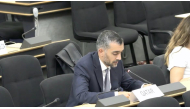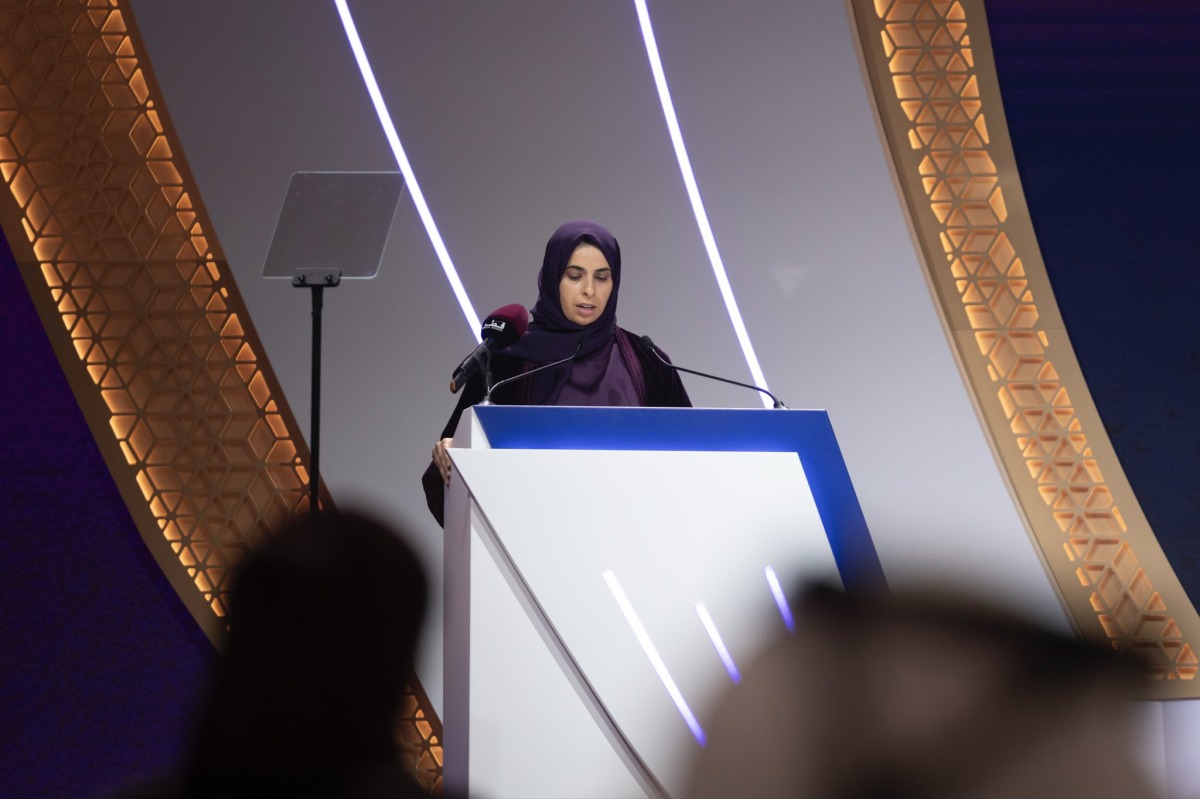
Minister of Education and Higher Education H E Lolwah bint Rashid bin Mohammed Al Khater addressing the 19th Qatar Education Excellence Award ceremony.
Doha, Qatar: Minister of Education and Higher Education H E Lolwah bint Rashid bin Mohammed Al Khater highlighted record achievements for Qatar Education Excellence Award and presented an extensive overview of ongoing reforms shaping Qatar’s education system.
Addressing the 19th Qatar Education Excellence Award ceremony yesterday, the Minister said: “This year’s award carries a special significance,” noting that 108 winners were honoured, the highest number since the award’s launch in 2006.
Al Khater said: “It is the largest number of winners since the award was established, and it reflects the expanding culture of excellence across our educational landscape.” She added that the financial value of the prizes has been increased and confirmed plans to introduce new categories, including Educational Leadership, Diploma, and Educational Research.
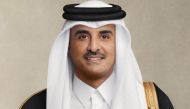
The Minister expressed deep appreciation to Amir H H Sheikh Tamim bin Hamad Al Thani for his continued patronage. “I extend my sincere gratitude and appreciation to His Highness for his unwavering support of this award over the past nineteen editions,” she said.
Positioning education at the heart of Qatar’s development trajectory, she stated, “Within Qatar’s development vision, education is not treated as a sectoral file, but as a central pillar in building national strength and shaping the future.” She affirmed that the Ministry of Education and Higher Education has pursued “a continuous institutional path of development and improvement, building on achievements and preparing for what lies ahead, with the aim of preparing a generation capable of active participation in development and able to adapt and compete under various circumstances.”
Reflecting on the Ministry’s recent focus, she said, “Over the past year, our efforts have concentrated on building a more equitable and higher-quality educational system, one that strengthens learning outcomes, expands access, and gives national identity its natural presence within the educational process.”
She described the launch of the National Curriculum Development Committee as “a strategic priority project grounded in a precise analysis of the current educational reality.” The initiative, she explained, aligns learning outcomes with future skills and labour market demands “while preserving our cultural and linguistic specificity.”
On strengthening Quran and Arabic education, she noted, “We launched the Committee for the Development of Quran and Arabic Language Education to reinforce this direction.” The committee conducted extensive surveys involving more than 3,200 students, 4,100 parents, and 1,300 teachers. “Our goal was to identify real needs and diagnose areas of weakness on the ground,” she said, adding that foundational programmes have already benefited over 300 students and that teacher qualification remains “the cornerstone of this committee’s work.”
The Minister announced that “following the holy month of Ramadan, the Ministry will begin implementing the first phase of the Quran Teacher Initiative in 15 pilot schools, in partnership with the Ministry of Awqaf and Islamic Affairs, as a step toward gradual expansion.”
On digital empowerment, Al Khater explained, “We developed the Athar digital platform to empower youth in Qatar and the Arab world and to highlight their achievements.” The platform quickly exceeded 13 million views.
She also referenced the “Rasekh” initiative, launched in partnership with Qatar Foundation, describing it as “a step to strengthen the presence of national identity and Arabic language within international curricula and private schools.”
On inclusive education, the Minister affirmed, “We have given special priority to inclusive education through the development of a comprehensive system that ensures fair and equal opportunities for students with disabilities.”
This includes the opening of Warif Academy in partnership with Qatar Foundation and Al Jiwain Kindergarten in collaboration with Hamad Medical Corporation.
“The number of Al Hidaya schools and kindergartens has reached seven schools and two kindergartens, with four additional schools planned,” she added.
On fairness and access, the Minister noted, “Through the Social Responsibility Project for private schools and kindergartens, more than 7,000 free and discounted seats were provided within less than four months, with an estimated value of approximately QR2 billion. We take pride in our private sector partners.”
Turning to innovation, she stated, “We are building an educational ecosystem capable of effectively employing technology.” Eight innovation incubators were launched nationwide, alongside 110 Digital Innovation Clubs in partnership with Microsoft, benefiting more than 12,000 students. She also announced the pilot implementation of the Smart Teacher and Smart Student Project. “This initiative, launched in three schools, leverages artificial intelligence as an assistant system for learning, planning, and assessment.”
Addressing operational improvements, she explained, “The Hudoori project, developed in partnership with Mowasalat Karwa, enhances monitoring of student attendance on buses and in schools.” She confirmed that an electronic fingerprint attendance system will be implemented nationwide by September to strengthen safety and monitoring.
She added, “We have also revived the role of the Religious Institute as a scientific and educational contributor to Sharia sciences, Arabic language, and balanced religious awareness.” Plans are underway to establish a Religious Institute for girls, and two government schools operating under International Baccalaureate standards will launch on a pilot basis next year.
Discussing infrastructure, the Minister said, “Eight new schools have been opened under the first public-private partnership package, and 14 additional schools are currently being inaugurated under the second package.”
A ten-year infrastructure plan has also been completed to accommodate demographic growth.