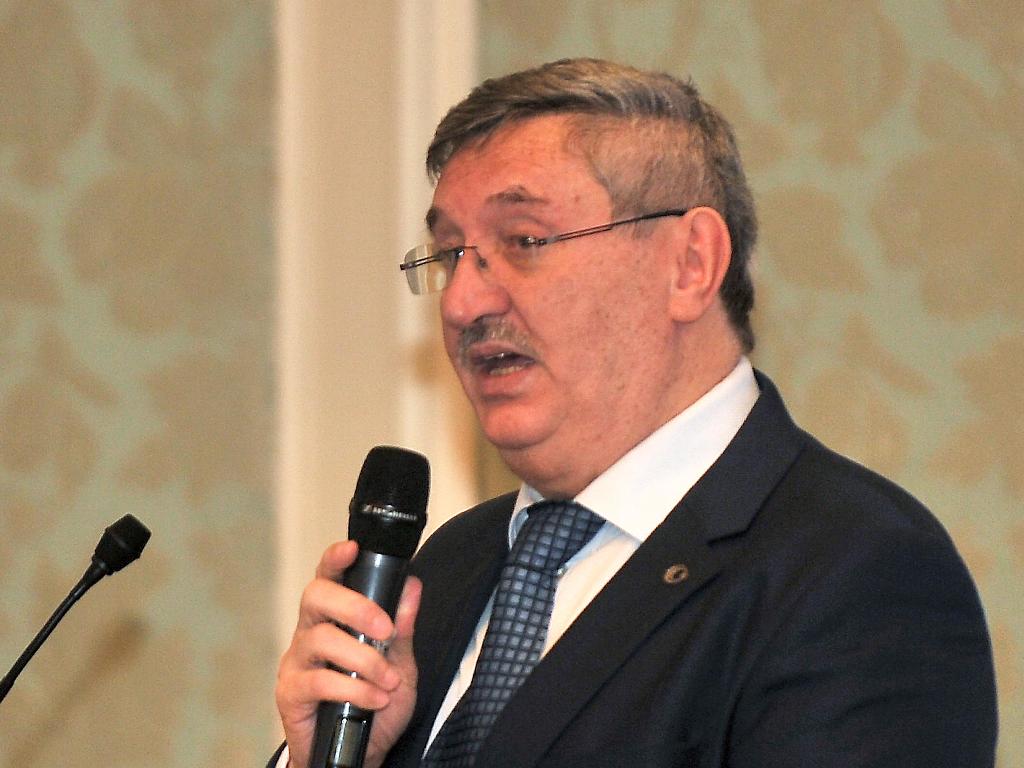
Fikret Ozer, Turkish Ambassador to Qatar addressing the ‘Qatar-Turkey Trade and Investment Opportunities,’ seminar yesterday. Pic: Baher Amin/The Peninsula
DOHA: Companies from Qatar and Turkey have joined hands to invest over $5bn in an integrated petrochemicals complex and energy projects to be built in Turkey, Turkish Ambassador to Qatar, Fikret Ozer, revealed yesterday.
The deal has been signed between Metcap Energy Investments of Turkey and Fusion Dynamics of Qatar, which will be investing about $5.2bn in a 50-50 joint venture in Turkey’s energy and petrochemical industry, the Turkish envoy told The Peninsula in an exclusive interview on the sidelines of a seminar on ‘Qatar-Turkey Trade and Investment Opportunities’, hosted by KPMG.
“The bilateral relations between Turkey and Qatar are very strong and strategic. The economic and trade relations are growing fast and steady. Both sides are working in closely to take the bilateral cooperation to new heights,” said Fikret.
The Turkish envoy noted that Turkey believes in expanding economic relations with Qatar for mutual interests not just exporting goods to Qatar.
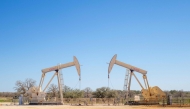
The petrochemicals project, with an investment of $4bn, will be built in the Thrace Basin of Turkey with an annual capacity of producing 2.6 million tonnes of methanol and one million tonnes of light olefins for conversion to 400,000 tonnes of polyethylene and 600,000 tonnes of polypropylene.
The upcoming project, said the Turkish Ambassador, will meet nearly half of the country’s demand for raw materials that find use in plastics and other related industries.
According to reports, Turkey has an annual consumption of 2.14 million tonnes of polyethylene from which 1.8 million tonnes are imported. In addition to the petrochemicals project, two gas-fired power plants worth $1.2bn will also be built in two Turkish cities. The projects will be operational in phases starting from 2020 through 2023. The trade and investments between Qatar and Turkey has witnessed a sharp jump over the last few quarters, especially after the siege imposed on Qatar by Arab quartet in early June last year. The volume of bilateral trade by the end of 2017 reached $1.3bn, witnessing a steep jump of over 46 percent compared to the same period in the previous year, said the envoy.
To further boost the exchange of goods in a more cost effective way, concerned authorities from both the countries are working with logistics companies for establishing and expanding direct shipping lines between the iconic Hamad Port and ports in Turkey. The Ambassador also said that Qatar and Turkey are focusing to enhance trade through sea route as this will significantly reduce the transportation cost of goods and make trade more cost effective, efficient and sustainable.
“The trade by air route is expensive and the land route via Iran is relatively less efficient, therefore we are now focusing more on enhancing trade through sea rout. It takes just 15 days for a ship to reach Doha. In order to make sea transport more cost effective, we are also trying to ensure that the vessels do not return empty after disembarking goods in Qatar,” said Fikret.
He noted that Qatar exports about 300,000 containers of petrochemicals which can be exported and re-exported from Turkish ports. This will make bilateral trade economically more viable.
Aiming to boost bilateral trade, both the countries are also working to have customs and other duties exempted to make their goods more competitive and affordable in each others’ markets.
In yet another example of rapidly growing bilateral economic cooperation, a joint investment is being made in Qatar as part of efforts to achieve food security in the Gulf state. The facility will grow chicken and other poultry products initially for the local market, which will eventually be exported to other countries.
Fikret reiterated that both the countries are trying to make trade and investments more balanced and sustainable for a win-win situation.
The seminar, where Ambassador Fikret and other experts, including Ahmed Abu-Sharkh, Country Senior Partner at KPMG, made presentations highlighted business and investment opportunities in both the countries.
The event also aimed to help businesses and individuals understand the economic and regulatory environment in Turkey.