Doha: IMF has projected economic growth in the Middle East and Central Asia (MCD) region at –4.7 percent in 2020, which is 2 percentage points lower than in the April 2020 Regional Economic Outlook (REO), in line with revisions to global growth over this period.
The change is mostly driven by the Middle East, North Africa, Afghanistan, and Pakistan (MENAP) region. The unusually high level of uncertainty regarding the length of the pandemic and its impact on firm closures, the resulting downside risks and potential renewed volatility in global oil markets dominate the revised outlook, the Fund noted in its updated report released yesterday.
The MENAP oil exporters (MENAPOE) region is projected at –7.3 percent in 2020, rebounding to 3.9 percent in 2021. Downward revisions in oil GDP reflect a sharper-than-anticipated drop in crude production; oil export receipts are now projected to decline by more than $270bn in 2020 relative to 2019. Non-oil GDP in these economies has also been marked down as stay-at-home rules and other COVID-19 containment measures are causing larger-than-expected disruptions to the tourism, hospitality, transportation, and retail sectors.
The Fund noted that the pandemic will continue to test countries’ health capacity and economic resilience. The Middle East and Central Asia (MCD) region has reacted to the global COVID-19 pandemic with swift and stringent measures that have saved lives. However, these policies have also had a large impact on domestic economic activity. With several countries in the region beginning reopening in past weeks, and a recent uptick in activity, rising infection numbers may pose risks. A sharp decline in oil prices together with production cuts among oil exporters and disruptions in trade and tourism added further headwinds.
The synchronized and global nature of the downturn has also led to a contraction in trade, disruptions to supply chains, and a collapse in tourism and remittances—with the latter accounting for about 14 percent of GDP for fragile and conflict-affected countries in the region. While data are not yet available for the current period, changes in unemployment rates in the region during past crises were usually minimal, partly due to the predominance of relatively secure public-sector jobs.
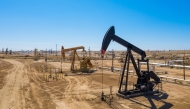
The region has also been hit hard by the oil shock. The larger-than expected production cuts implied by the Opec+ agreements together with lower oil prices will have a negative impact on exports.
March saw sudden reversals of capital flows from emerging markets generally, with the region experiencing an estimated $6bn to $8bn in portfolio outflows. Nonetheless, the actual size of outflows could have been larger, as official data are not yet available. Market sentiment has since improved, reflecting, in large part swift and extensive actions by monetary and fiscal authorities in advanced economies.
IMF noted that higher-credit rated countries in the region like Qatar have managed to maintain market access, with large placements in international capital markets in recent months, while lower-rated issuers, have also issued in primary markets, albeit at a higher cost.
“Indeed, MCD countries’ sovereign issuances made up the majority of emerging market sovereign issuances since the end of March (more than 60 percent). Secondary dollar spreads have narrowed across the region, although they remain elevated, while market pressures on regional currencies appear to have abated. Growth in credit to the private sector and deposits up to April remained broadly stable, though the former had been declining since the middle of last year. Nonetheless, although the region’s banking systems appear resilient and well capitalized, pockets of existing vulnerabilities may yield rising nonperforming loans should the crisis be prolonged with lasting economic scarring.”