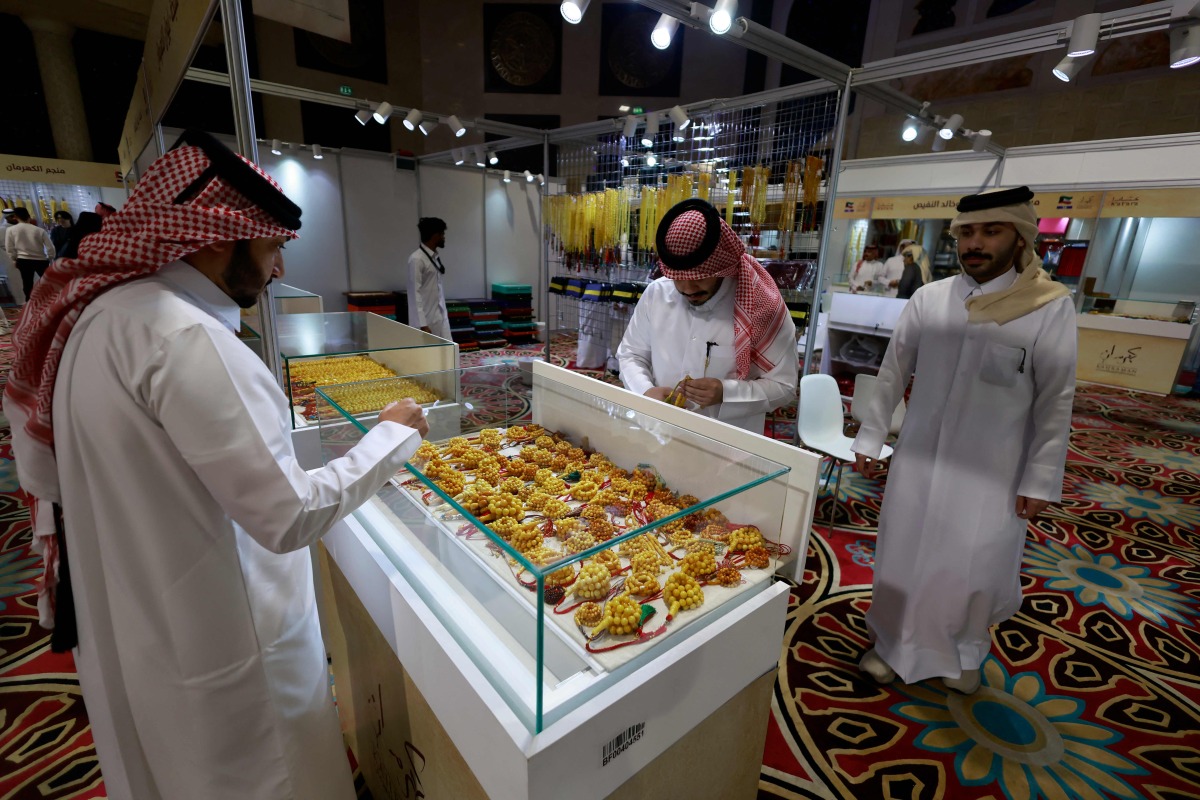
Visitors look at prayer beads at the Katara International Exhibition for Kahraman, showcasing artwork and handicrafs made with amber, at the Katara cultural village in Doha on January 13, 2026. (Photo by Karim JAAFAR)
Doha, Qatar: The sixth edition of the Katara International Kahraman Exhibition opened on Tuesday at Katara Hall (Building 12), bringing together premium amber (Kahraman) products from around the world.
Running until January 16, the exhibition features exhibitors from 13 countries across 82 booths, making it the largest edition so far and among the world’s leading specialised amber events.
The opening day drew a large crowd, with visitors attending to explore new designs and developments in the amber industry.
Exhibitors from Qatar, Saudi Arabia, Kuwait, Bahrain, the United Arab Emirates, Lithuania, China, Iraq, Türkiye, Syria, Germany, Poland and Latvia praised the event, describing it as a major annual platform for traders and collectors.
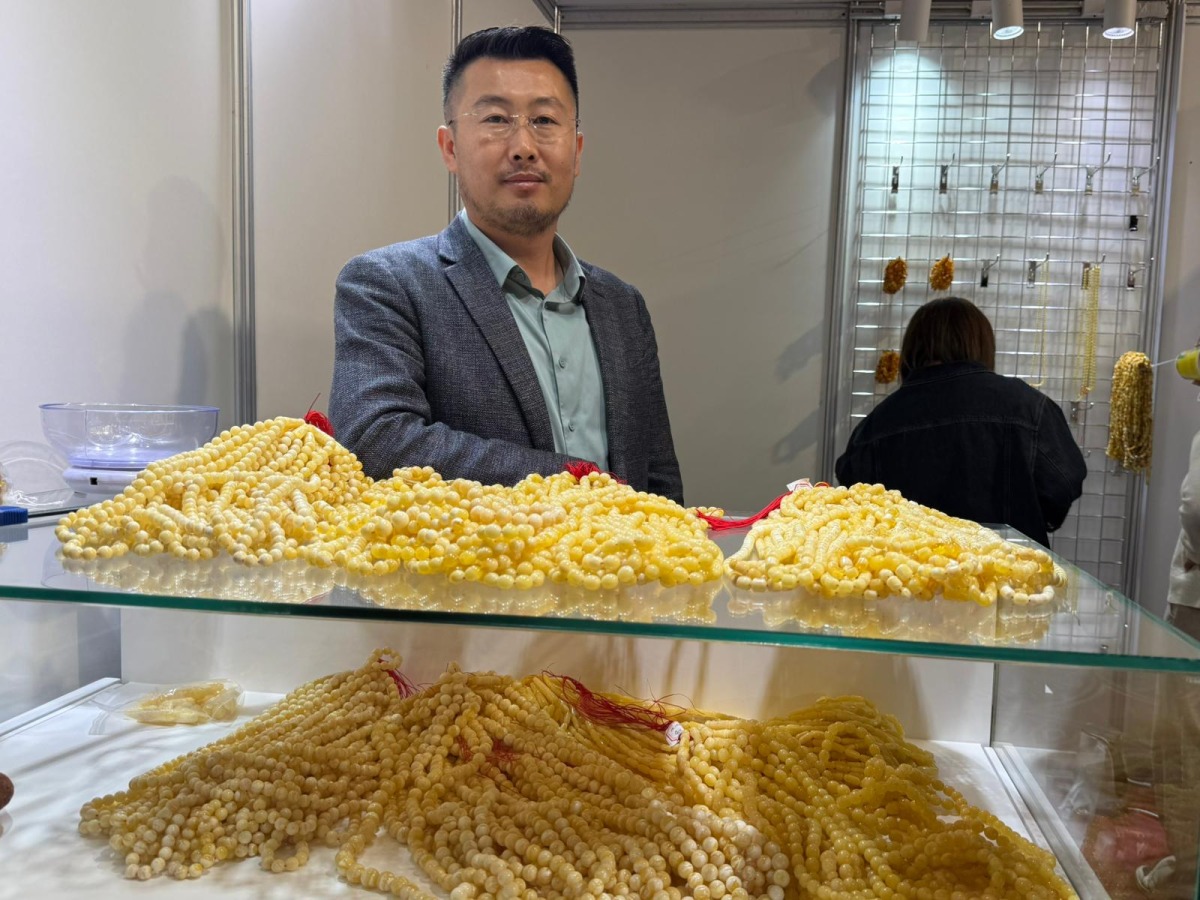
Daniel, an exhibitor from China, told The Peninsula that he has attended exhibitions in Poland, the UAE, China and Armenia, but considers the Katara event among his top annual priorities due to strong demand from collectors across the region.
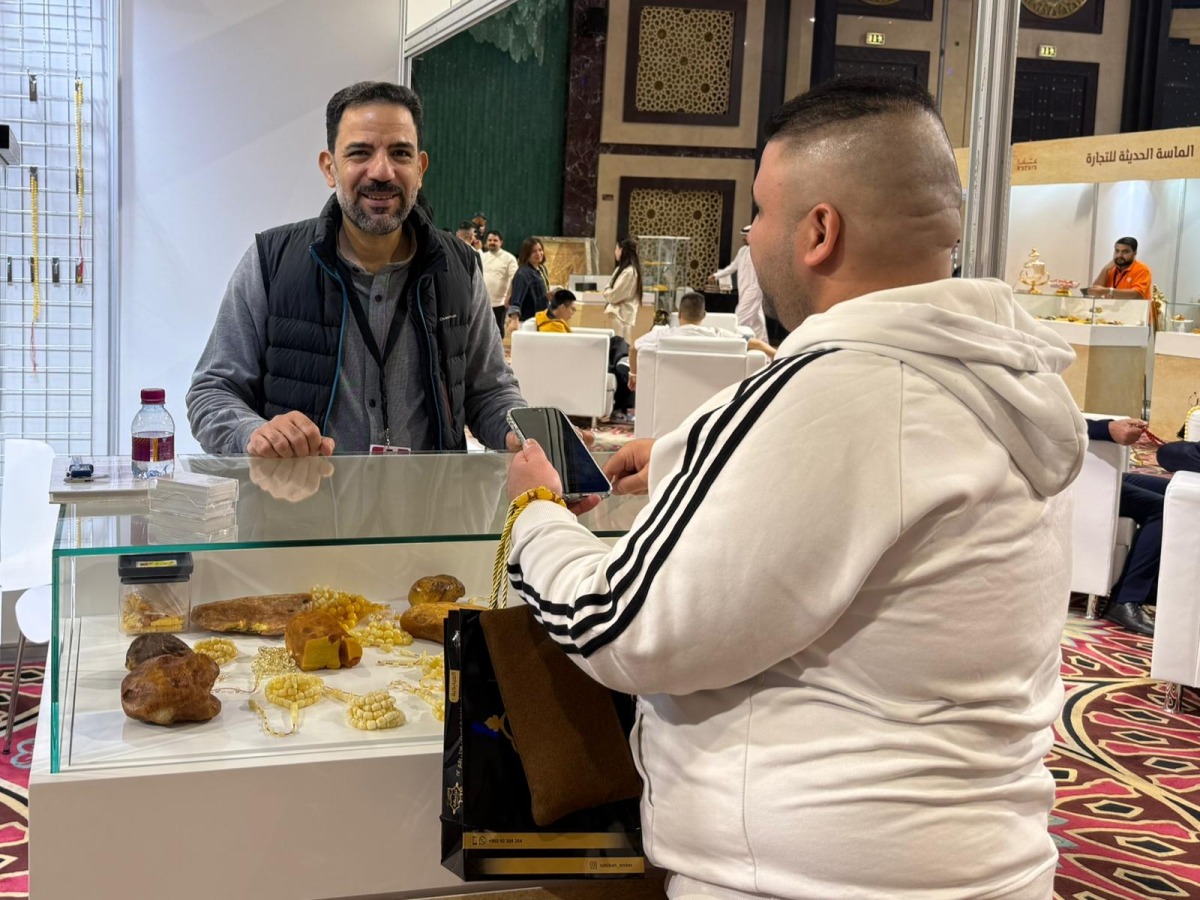
Salah, an Egyptian exhibitor representing a Qatari company, said he has participated every year and observed notable growth this edition in both exhibitors and customers, alongside wider product variety compared with previous years.
He added that an amber prayer bead strand (Misbaha) can start from about QR1,500 and reach up to QR30,000 depending on shape, stone characteristics and color.
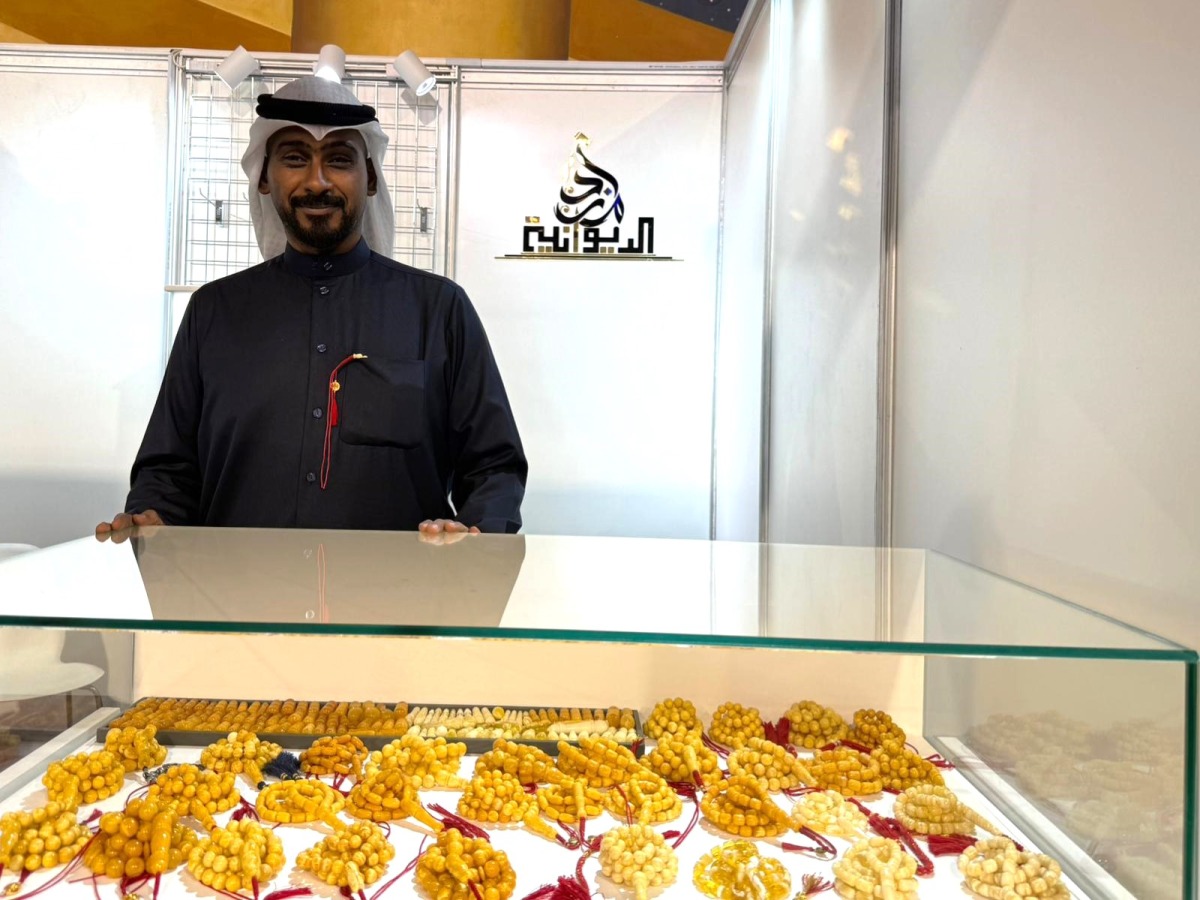
Kuwaiti participant Mahmed Al Zaid said he was impressed by the quantity and quality on display in his first participation, describing the exhibition as a leading platform for the GCC.
He added that he expected mainly Gulf participation, but was surprised by the strong international presence.
The exhibition features a wide range of luxury products and artefacts crafted from rare amber. This year’s edition includes diverse displays such as antique Polish prayer beads, rare handicrafts, and collectibles made from rare amber.
Amber is fossilized tree resin that hardened over millions of years.
Unlike gemstones such as diamonds or quartz, amber is organic in origin, which is why it is lightweight, often warm to the touch, and can carry natural inclusions such as plant fragments or tiny trapped organisms.
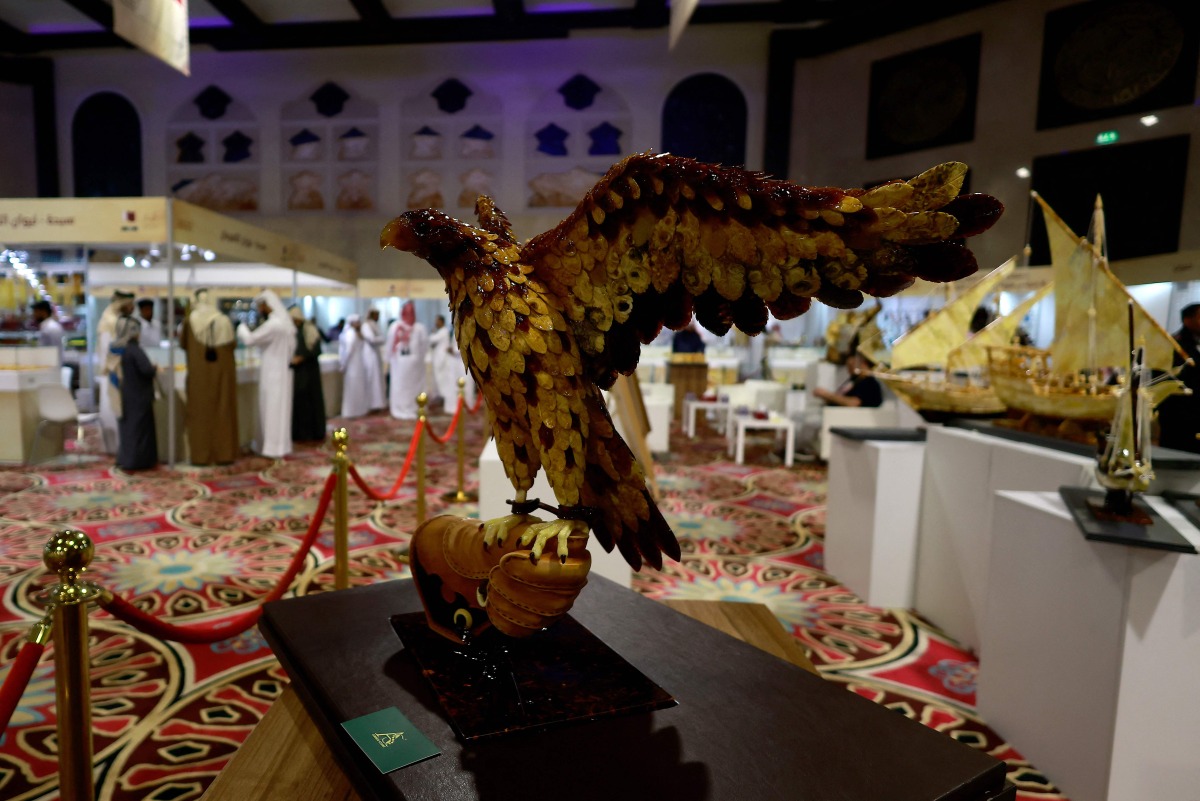
Amber is widely used in jewelry, prayer beads, ornaments and collectible artefacts, with value shaped by clarity, color, rarity, age, size and craftsmanship.
Amber processing typically begins with sorting raw pieces by size, transparency and color. Artisans then clean the surface, remove fragile outer layers, and cut the resin into workable blocks. For prayer beads, pieces are shaped into uniform beads through carving or turning, then drilled, refined and polished to achieve a smooth finish and consistent shine.
Some pieces may undergo heat treatment or controlled aging processes to enhance tone, but premium collectors often prefer natural, untreated amber.
Final steps usually include stringing, quality inspection and packaging.
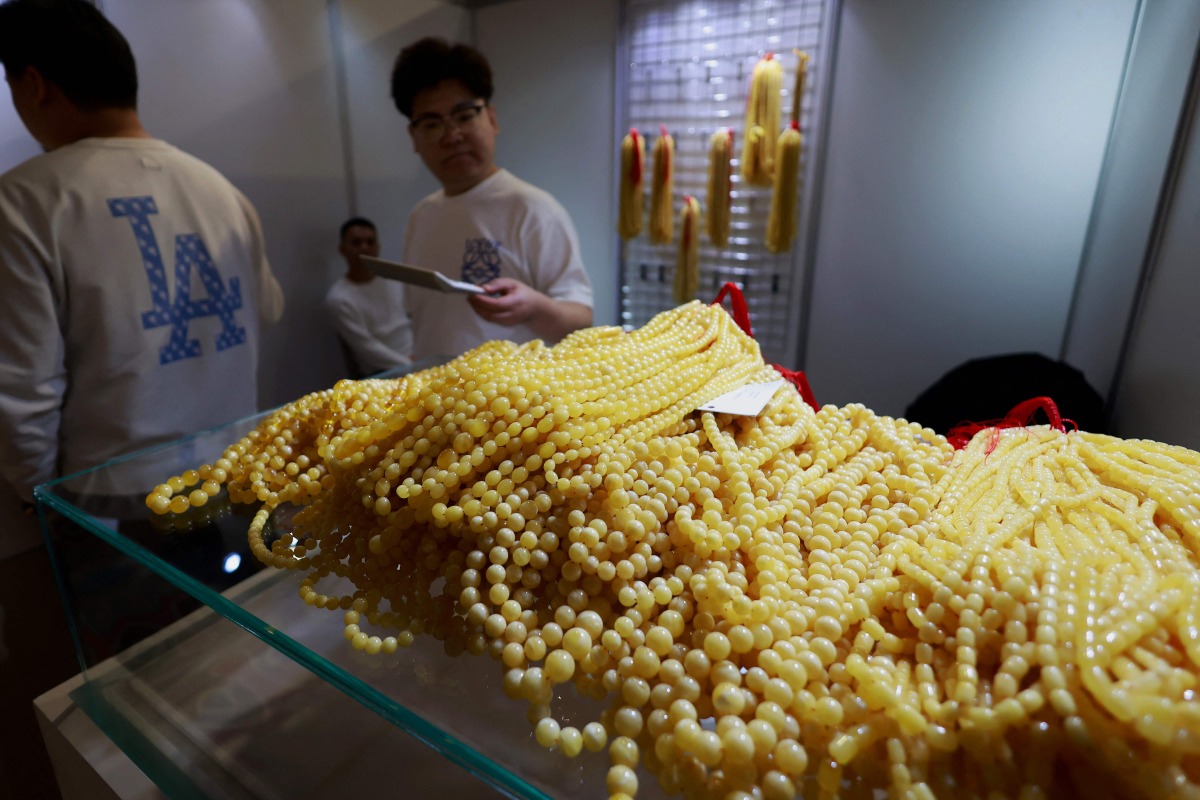
The Baltic region is widely regarded as the world’s most prominent source of amber, particularly around the Baltic Sea.
Amber is also found in other areas, including parts of Eastern Europe and Eurasia, as well as regions in Asia and the Middle East, with variations in color, hardness and appearance depending on geological history.