Academics, education experts, and specialised researchers working together for Islamic Civilization curriculum.
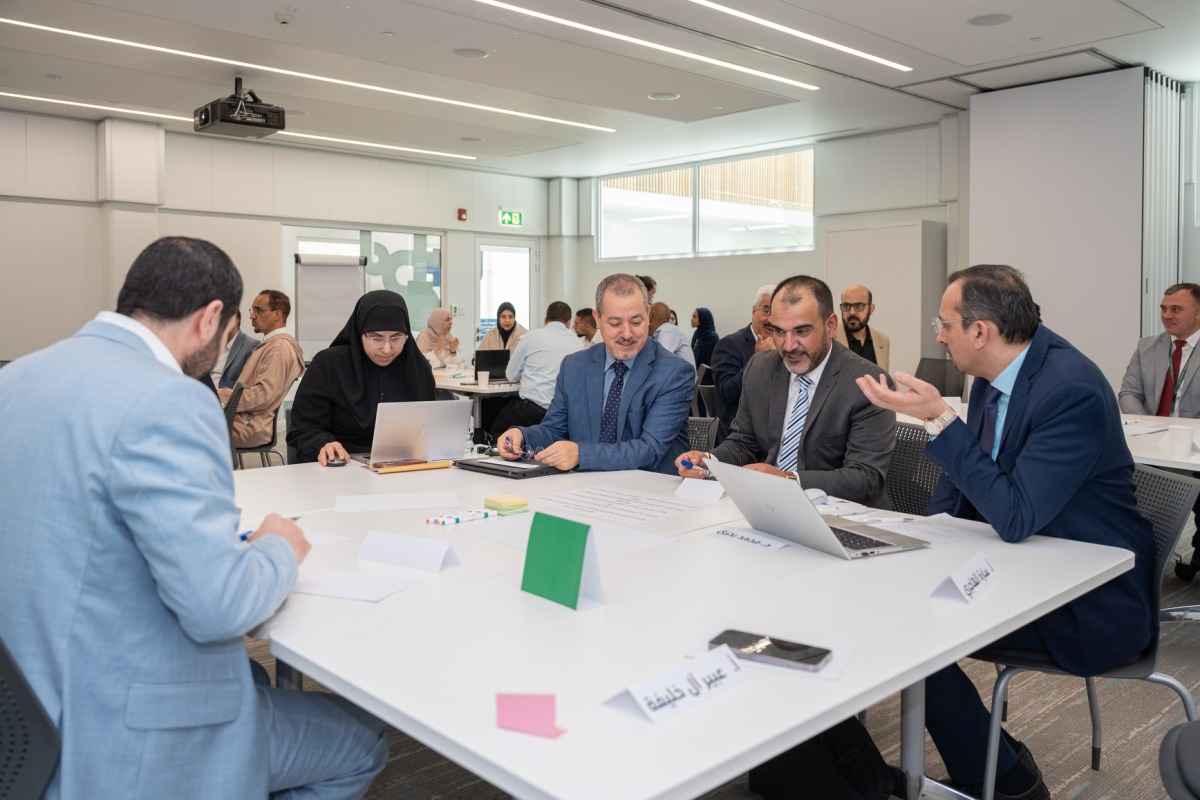
Doha, Qatar: Qatar Foundation’s Pre-University Education hosted the second consultative gathering for the ‘Manifestations of Islamic Civilization’ curriculum project for Grades 6 - 9, bringing together academics, education experts, and specialised researchers from leading local and international educational and research institutions, alongside Islamic Civilization teachers from Qatar Foundation schools.
These consultative gathering forms part of the curriculum’s ongoing development process, which seeks to deliver a contemporary educational model that connects students with their civilizational heritage while equipping them with the knowledge, values, and perspectives needed to understand and engage with the world around them.
During the gathering, Sarah Al Hajri, Executive Director of Student Affairs and Community Engagement at QF’s Pre-University Education and lead of the curriculum development team, presented an overview of the curriculum’s development journey.
She explained that the project is now in its second year of pilot implementation across QF schools as part of an ongoing refinement process informed by classroom observations, field visits, surveys, focus groups, and consultative sessions with subject matter experts.
“The curriculum is designed to move beyond the traditional delivery of subject matter toward fostering a holistic civilizational awareness, one that strengthens students’ connection to their identity and intellectual and value-based foundations within a contemporary and balanced context.”
The gathering also featured a series of educational and intellectual discussions focused on fostering students’ civilizational awareness, strengthening their sense of identity and belonging, and further developing the concepts and values that underpin Islamic civilization. Participants also explored ways to better connect students with their local and contemporary contexts, while enhancing the curriculum’s content and learning activities in line with its overarching philosophy and educational objectives.
Dr. Badran Massoud Bin Lahsen, Director of the Ibn Khaldun Center for Humanities and Social Sciences at Qatar University, said: “Cultivating students’ civilizational awareness begins with establishing sound intellectual foundations and nurturing the systems of thought and values that shape their understanding of the world.
“It is equally important to present Islamic civilization as an integrated intellectual and humanistic endeavor, one that contributes to the development of well-rounded learners and broadens their intellectual horizons.”
Dr. Shawkat Talafha, Executive Director of the Tarbiya Center, said: “Understanding the principles that shape the rise, flourishing, and decline of civilizations is fundamental to developing a balanced civilizational awareness among learners. It enables them to engage critically with human experience and draw lessons that can help shape the future.”
The gathering also explored the importance of strengthening assessment methods, equipping teachers with the necessary skills and resources, and refining the curriculum’s language and terminology to strike a balance between intellectual depth and age appropriateness. These efforts aim to create a more cohesive and impactful learning experience for students.