When it comes to plastic-related particles and chemicals, people often feel helpless and overwhelmed. Plastic contamination feels so pervasive, inevitable and frustrating, especially since the research is limited on how to reduce your exposure.
That’s why a new randomized controlled trial published in Nature Medicine immediately caught my eye. Researchers at the University of Western Australia found that in just seven days, a few specific lifestylechanges - from consuming a low-plastic diet to using low-plastic personal care products - could reduce the amount of plastic-associated chemicals in urine by as much as 60 and 35 percent, respectively.
In the conversations around plastic concerns, we often focus on microplastics - the microscopic plastic particles that shed especially under heat or acidic conditions.
But there’s also plastic-associated chemicals, such as phthalates and BPA, to reckon with.
That’s a switch I myself have made in most products in my own household in recent years (Why does my kitchen cleaning spray need a scent? Do I really need my dish soap to smell like a Hawaiian breeze?) Products you leave on your skin such as lotion are even more important.
These kinds of chemicals can leach out from plastics and migrate into our food and personal products, eventually entering the bloodstream and later showing up in our urine. Many are endocrine-disruptors, meaning they interfere with hormone signaling, and they’ve been independently associated with heart and metabolic disease.
"There is no doubt that day-to-day exposures to these chemicals are harmful to humans,” said Andrea Gore, a professor of pharmacology and toxicology at the University of Texas at Austin who was not involved in the study. That consensus among scientists is echoed by the Endocrine Society.
You should know two things about this study before we dive in: First, it’s a randomized controlled trial in a field flooded with sometimes alarming headlines based on observational and other data. Randomized trials are rare and badly needed. Second, it was small (there were 60 participants across all groups) and by all accounts, pretty short - a duration of seven days. Long-term data will be important - but that brevity is also what makes its findings so striking. We’re seeing measurable changes to the body occur within of making changes.
While a single week of exposure to these chemicals is unlikely to have a measurable impact on health, according to Matthew Campen, a toxicologist at the University of New Mexico College of Pharmacy, the implications of the study matter.
"Sustained behavioral changes and improvements in dietary quality would lead to long-term reductions in exposure and therefore health risks,” he said.
Data like this gives me a sense of optimism and agency - we may have more power than we think.
To pull off this experiment, the researchers did something most of us could never achieve in real-life: They painstakingly sourced food for participants from producers that minimize all plastic touchpoints from the farm to plate - no highly processed foods, no plastic food packaging and no canned goods. They literally had meal kits delivered in insulated cardboard boxes lined with sheep’s wool instead of plastic.
It was a commitment.
The groups who ate this carefully controlled diet showed meaningful reductions in several urinary plastic chemicals within a week. Researchers identified three specific factors that seemed to drive the biggest reductions:
"It can feel very overwhelming that we are exposed to so many chemicals but this kind of result shows that individuals can be empowered to make lifestyle changes that might make a difference - as long as we keep it up,” said Gore.
Consider just one small change you could take away from this data. For instance, a separate part of this study was an observational cohort that found that for each canned item consumed daily, there was a 14.3 percent increase in urinary BPA. You may not be someone who eats canned food - like a can of beans or canned tomato sauce - every day. But you may be someone who drinks one or more canned beverages - like soda or sparkling water - daily. Is there room to swap for glass containers or swap out one such beverage for an alternative?
In a different arm of the study, a separate group of participants swapped their regular personal care products - things such as toothpaste and shampoo - for alternatives chosen by the researchers to minimize plastic. After seven days, one specific phthalate called mono-n-butyl phthalate dropped by about 35 percent in that group compared with the control group.
That’s a meaningful reduction from personal care products alone - without any changes to diet. What makes this finding a bit more complicated, however, is that it is difficult to know what drove that reduction - was it from packaging or the formulation of the products or, more likely, some combination of both?
What we do know from broader research is that synthetic fragrances are a common source of phthalates. Lucas encourages people to choose products that do not contain a fragrance as an easy place to start making changes.
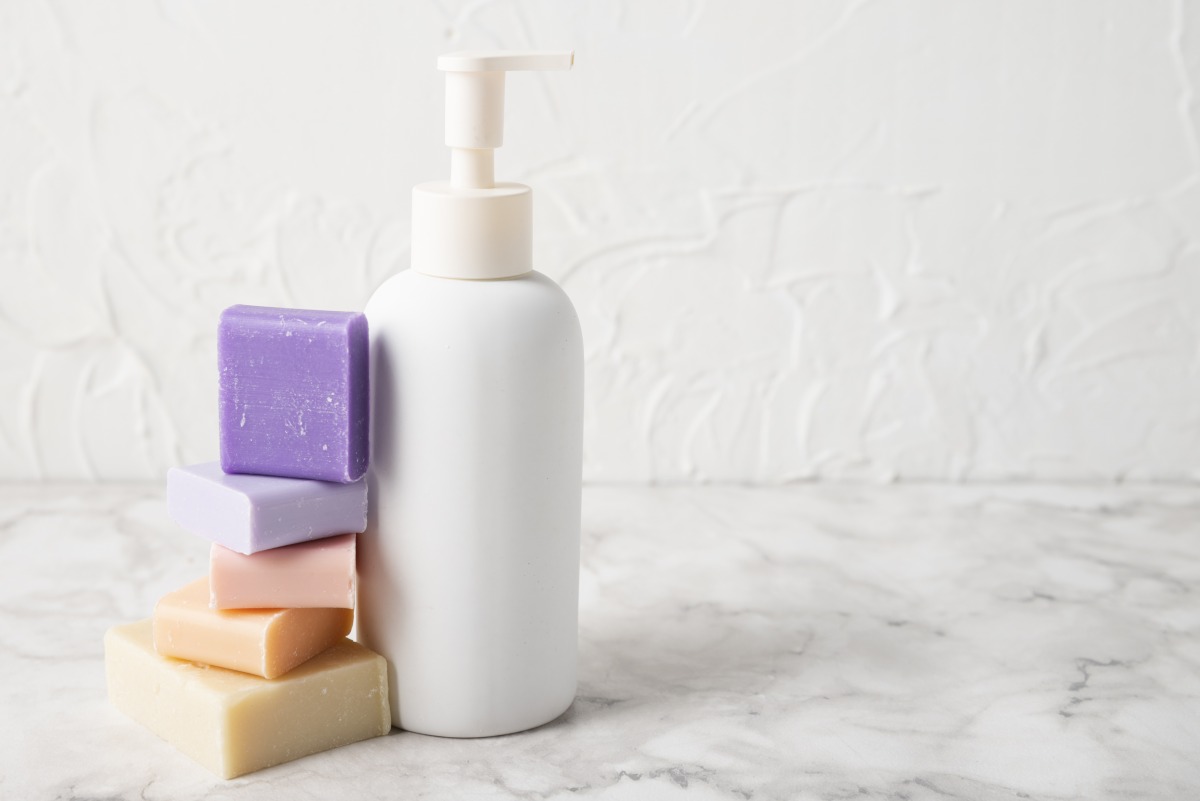
While addressing the plastic packaging issue is even more tricky, Lucas suggests trying shampoo and conditioner bars, or creams packaged in tins - though admittedly, these are harder to find in a standard supermarket.
It would be a major pitfall to frame exposure to microplastics, and their related chemicals, in our environments as an issue of individual choice - doing so would be "upside-down environmental health policy,” said Campen.
The most profound and sustainable impact is going to require systems level change. (I’m reminded of the great public health success story in regulatory frameworks surrounding lead exposure, for instance). But in the meantime, this study adds yet another compelling reason to cut back on ultra-processed foods and to reconsider a few specific factors in our groceries such as plastic packaging or canned items when alternatives are accessible.