Fiscal policy plays a vital role in creating and nurturing the vision of sustainable and inclusive growth of the Arab region. The region needs fiscal space for spending on health, education, social protection, and public investment, which are key priorities in this region.
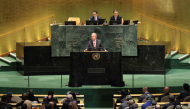
Speaking at the Fourth Arab Fiscal Forum in a neighbouring country yesterday, Christine Lagarde (pictured), Managing Director, International Monetary Fund (IMF) said that without a stable foundation, even the best policies can flounder and fiscal policy will lack credibility.
The full text of the speech, posted on IMF website, noted that the region is yet to fully recover from the global financial crisis and other big economic dislocations over the past decade.
Among oil importers, growth has picked up, but it is still below pre-crisis levels. Fiscal deficits remain high, and public debt has risen rapidly—from 64 percent of GDP in 2008 to 85 percent of GDP a decade later. Public debt now exceeds 90 percent of GDP in nearly half of these countries.
Lagarde said in her speech a weaker global environment has knock-on effects on the region through a variety of channels—trade, remittances, capital flows, commodity prices, and financing conditions.
The bottom line is the economic path ahead for the region is challenging. This makes the task of fiscal policy that much harder, which in turn makes it even more important to build strong foundations to anchor fiscal policy.
The IMF Chief urged the region to come out with effective set of laws, institutional arrangements, and procedures needed to achieve a country’s fiscal policy objectives. Such a framework allows governments to map out budgets over the medium term in a way that reflects clear, consistent, and credible goals.
There is scope to improve fiscal frameworks in this region. Some of the weaknesses are short-termism and insufficient credibility.
Across the region, she said, it is common for sovereign wealth funds to directly finance projects, bypassing the normal budget process. And state-owned enterprises in some countries have high levels of borrowing—again, outside of the budget. Addressing these fiscal risks would not only enhance budget credibility and transparency but would help keep a lid on corruption. Budgetary credibility also calls for better risk management, with a more comprehensive budget based on realistic forecasts.
The good news is that numerous countries are already strengthening their fiscal frameworks—many with IMF assistance.
On the need for good fiscal management—good governance and transparency, she said strong institutions are crucial for legitimacy, for fostering a clearer understanding of policy objectives among citizens, enhancing their voice, and generating buy-in for fiscal policy.
Lagarde noted that the IMF has been stepping up its engagement in the area of governance and corruption. “Last year, we put in place a new framework predicated on a more systematic, evenhanded, effective, and candid engagement on these issues with member countries. We will be reaching out to leaders in this region to discuss how we can work together to implement this framework,”, she said.