Doha: International organisations, specialised studies, and economic reports traditionally classify countries as either coastal states with direct access to maritime trade routes or landlocked nations lacking seaports and maritime outlets.
However, ongoing geopolitical conflicts and regional crises have effectively expanded the category of “landlocked” countries, as even nations with coastlines increasingly find themselves cut off from critical maritime routes due to wars, security threats, and the closure of strategic sea passages.
Worldwide, 44 countries are classified as landlocked, meaning they are entirely surrounded by land and have no direct access to the sea. While the United Nations Convention on the Law of the Sea (UNCLOS), in force since 1994, provides a legal framework for the management and governance of maritime straits and shipping routes, regional conflicts have increasingly disrupted the operation and accessibility of these critical corridors.
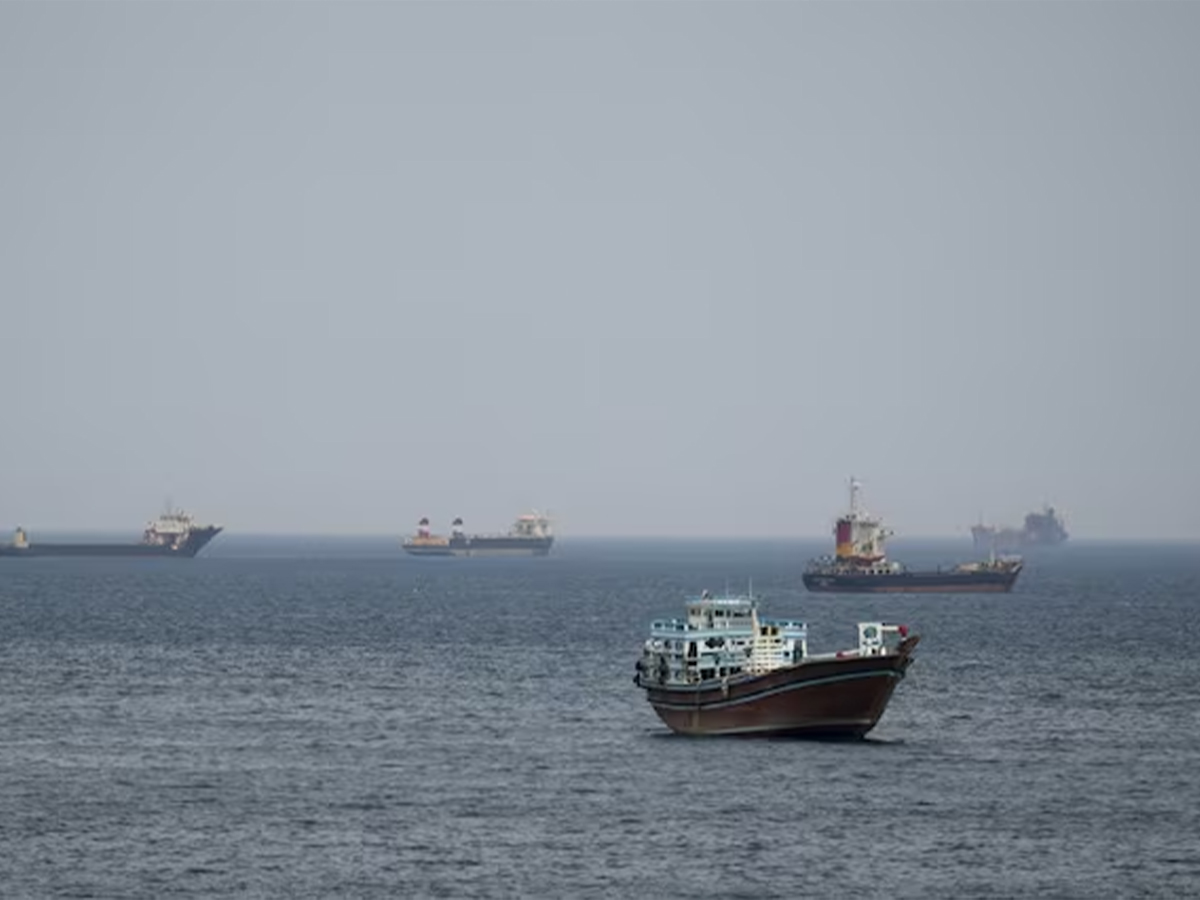
Economic experts argue that crises affecting major maritime chokepoints have far-reaching consequences not only for landlocked nations but also for coastal economies whose supply chains depend on uninterrupted maritime trade. The Gulf Cooperation Council (GCC) countries, for example, have been affected by restrictions on navigation and security concerns surrounding the Strait of Hormuz, highlighting the need for more flexible policies, stronger diplomatic engagement, and potentially new international mechanisms to manage such challenges.
Speaking to QNA, economist Dr. Abdullah Al Khater explained that landlocked countries are geographically defined as states surrounded by other nations without direct access to the sea. Their inability to reach maritime routes limits their capacity to receive cargo vessels and benefit from global shipping networks, which remain one of the most critical components of international import and export supply chains.
Dr. Al Khater called for safeguarding global supply chains through the establishment of an international organisation, modeled on the United Nations, dedicated to protecting maritime commerce, import and export operations, clean energy supplies, and fertilizer shipments-resources he described as essential to both the global economy and human welfare. Such an organisation, he said, would be responsible for managing crises related to maritime chokepoints and strategic waterways.
He further proposed the participation of insurance companies, existing international institutions, and regulatory committees responsible for balancing global supply and demand. Their involvement, he argued, would help stabilise markets, maintain adequate production levels, and encourage investment flows into the region. Clear governance structures would be essential to ensuring effective management of maritime passages regardless of geopolitical tensions.
According to Dr. Al Khater, the Strait of Hormuz crisis should serve as a catalyst for GCC countries to accelerate regional integration projects, including the implementation of a unified visa system, expansion of highway networks, development of a Gulf railway system, and enhanced coordination to strengthen supply chains and maritime shipping services.
He also emphasised that GCC states could further deepen cooperation with neighboring countries through the expansion of oil and gas pipeline networks, alongside investments in road and rail infrastructure aimed at reinforcing regional economic connectivity and resilience.