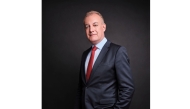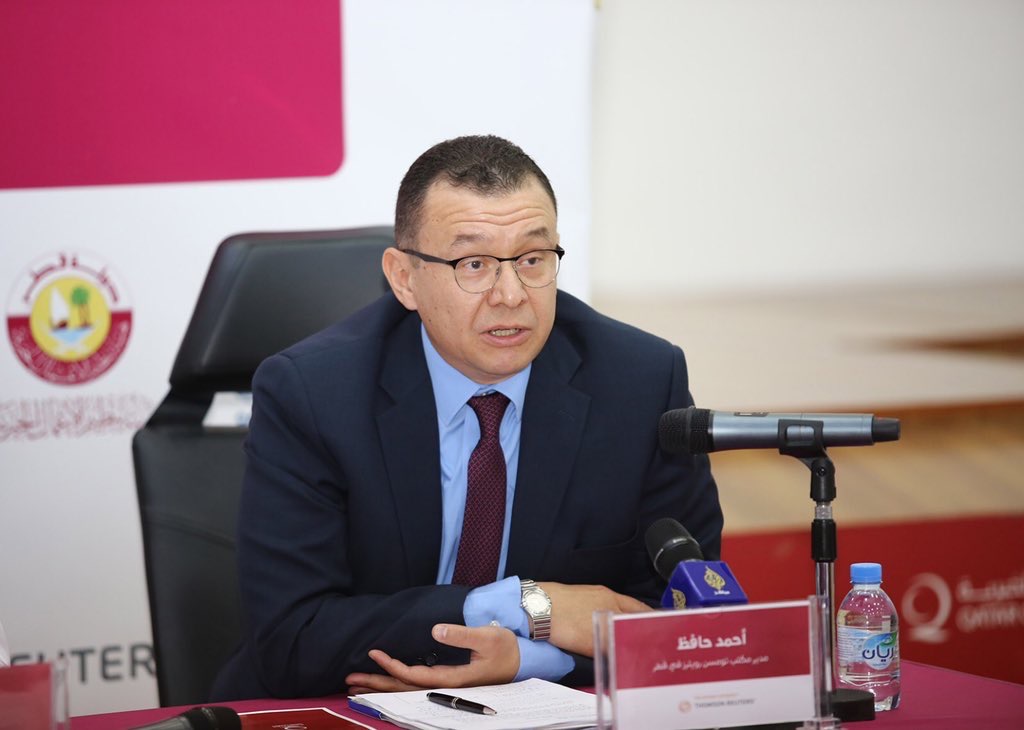
Ahmed Hafez, Country Manager, Refinitiv (an LSEG Business) in Qatar.
Doha: The International Chamber of Commerce Qatar (ICC Qatar) in collaboration with Refinitiv and Ernst & Young are holding a webinar on the challenges, developments and opportunities in the London Interbank Offered Rate (LIBOR) transition. The virtual event will take place on Wednesday at 11 am.
Titled ‘Beyond LIBOR: Challenges, Developments, and Opportunities in the LIBOR Transition’, the webinar will discuss the new benchmark rates, how to manage the transition, and the next steps to follow.
Alexandre Hardouin, Director, Fixed Income Desktop, Refinitiv; Kedar Desai, Director, Financial Services, Ernst & Young Consulting; Vincenzo Dimase, Global Director, Sales Strategy & Execution, FX & Post Trade Refinitiv will share their insights during the program.
“We are very pleased to partner with ICC Qatar in delivering this important and timely webinar” said Ahmed Hafez, Country Manager, Refinitiv (an LSEG Business) in Qatar.
“Being ready for this transition is critical for any business. Many organizations might still be grappling with some key questions: what are the new benchmark rates? How do we manage the transition? What do we do now? This webinar will have the answers to many related questions” added Ahmed Hafez.
In December 2021, LIBOR setting publication ceased on over two dozen settings. But the transition is far from over as phasing out continues for legacy contracts.
To sum it up – the LIBOR transition is not yet over! With hundreds of trillions of dollars’ worth of Libor-based contracts to be referenced to a wide range of new risk-free rates (RFRs), the IBOR transition requires the full attention of all organizations to avoid disruptions with the help of the right data and tools. Market participants are still actively transitioning away from LIBOR trades in USD, while getting prepared for other IBORs transition in the Eurozone and the rest of the world.