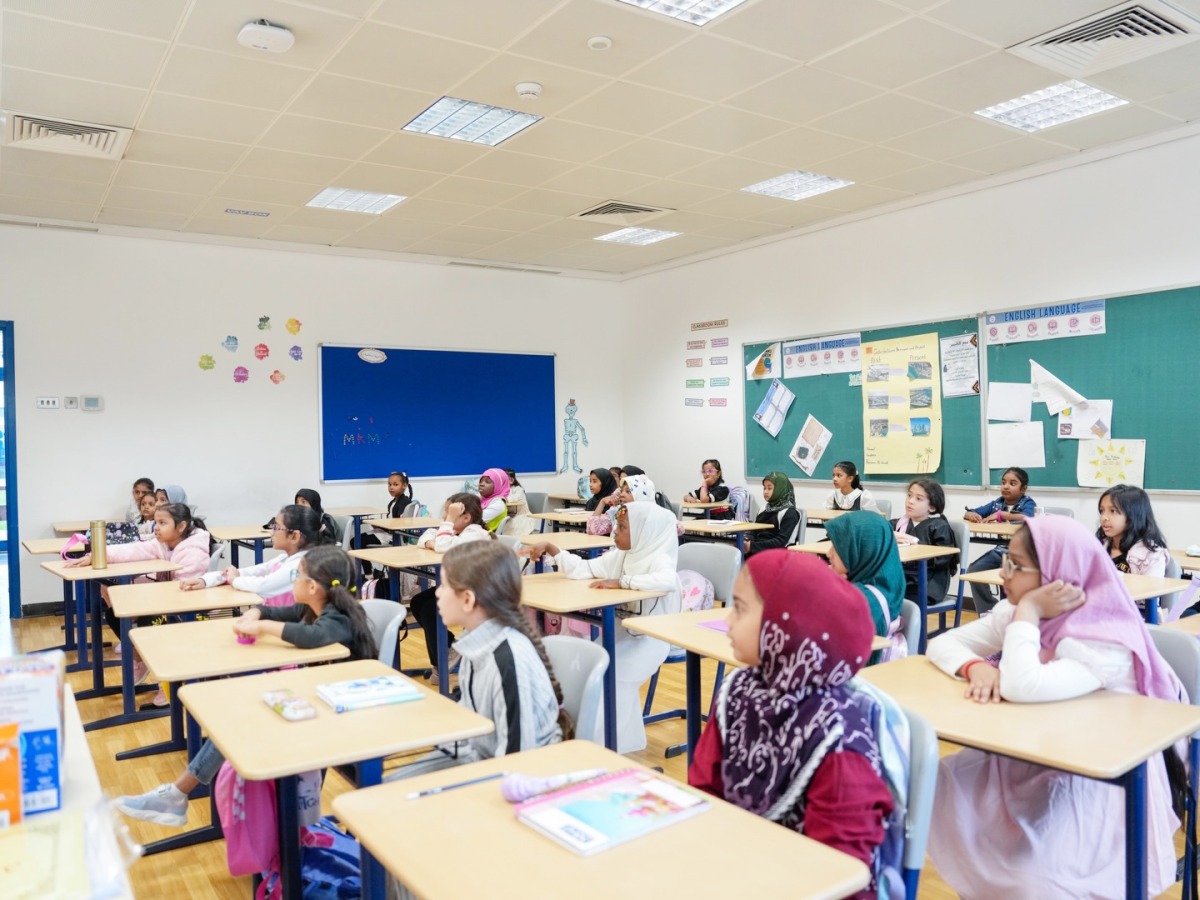
File picture used for representation
Doha, Qatar: The Ministry of Education and Higher Education (MoEHE) has announced a significant expansion of the evening study system across Qatar’s private education sector, with 37 private schools and school branches now operating evening classes as part of efforts to increase educational capacity and provide flexible learning opportunities for students.
The expansion, unveiled by the Ministry’s Private Education Affairs Sector, is aimed at addressing the growing demand for private education while ensuring families have access to a broader range of schooling options. The initiative reflects the ministry’s ongoing commitment to supporting Qatar’s expanding population and the country’s long-term educational development goals.
According to the ministry, the 37 schools and branches offering evening classes represent a diverse range of curricula. Indian curriculum schools account for the largest share, followed by schools implementing the National Standards curriculum, as well as British, Syrian, Egyptian and several other international educational systems. The ministry said the diversity of curricula demonstrates the private education sector’s ability to accommodate increasing student enrolment while meeting the varied educational needs of Qatar’s multicultural community.
The ministry stressed that evening schools provide the same quality of education as morning schools and operate under identical academic and administrative standards. Students follow the same curriculum, while schools are subject to the same monitoring, evaluation and accountability mechanisms to ensure educational quality and compliance with national education policies.
Approval to operate an evening session is granted only after a school has reached full capacity during its morning session and continues to experience enrolment demand beyond its existing operational limits.
This regulatory approach ensures that evening programmes are introduced based on genuine educational needs and in accordance with established organisational standards.
The ministry also highlighted the continued oversight exercised by the Department of Private Schools and Kindergartens, which monitors compliance with regulations governing private educational institutions.
Its responsibilities include approving textbooks and educational plans, supervising the implementation of compulsory subjects, evaluating teacher performance, and taking regulatory action against schools that fail to meet required standards.
As part of its routine inspections, the department also ensures that evening schools fully comply with national requirements to teach the three mandatory subjects, Arabic language, Islamic Education and the History of Qatar, in line with approved national standards.
The expansion is expected to help accommodate a larger number of students while offering greater flexibility for families seeking suitable educational alternatives. It also complements the ministry’s ongoing Social Responsibility Project, implemented in partnership with private schools, which provides eligible families with free or reduced-fee school places to promote equal educational opportunities and ease financial burden on parents.
In addition, the ministry noted that several participating schools offer completely free evening education programmes under the initiative, subject to specific eligibility criteria and regulatory guidelines.
These programmes are designed to support wider access to quality education while contributing to the strategic objectives of Qatar’s education system. The ministry reaffirmed that the expansion of evening schooling forms part of its broader strategy to strengthen the private education sector, enhance access to high-quality learning opportunities, and ensure that educational services continue to meet the country’s evolving demographic and developmental needs.