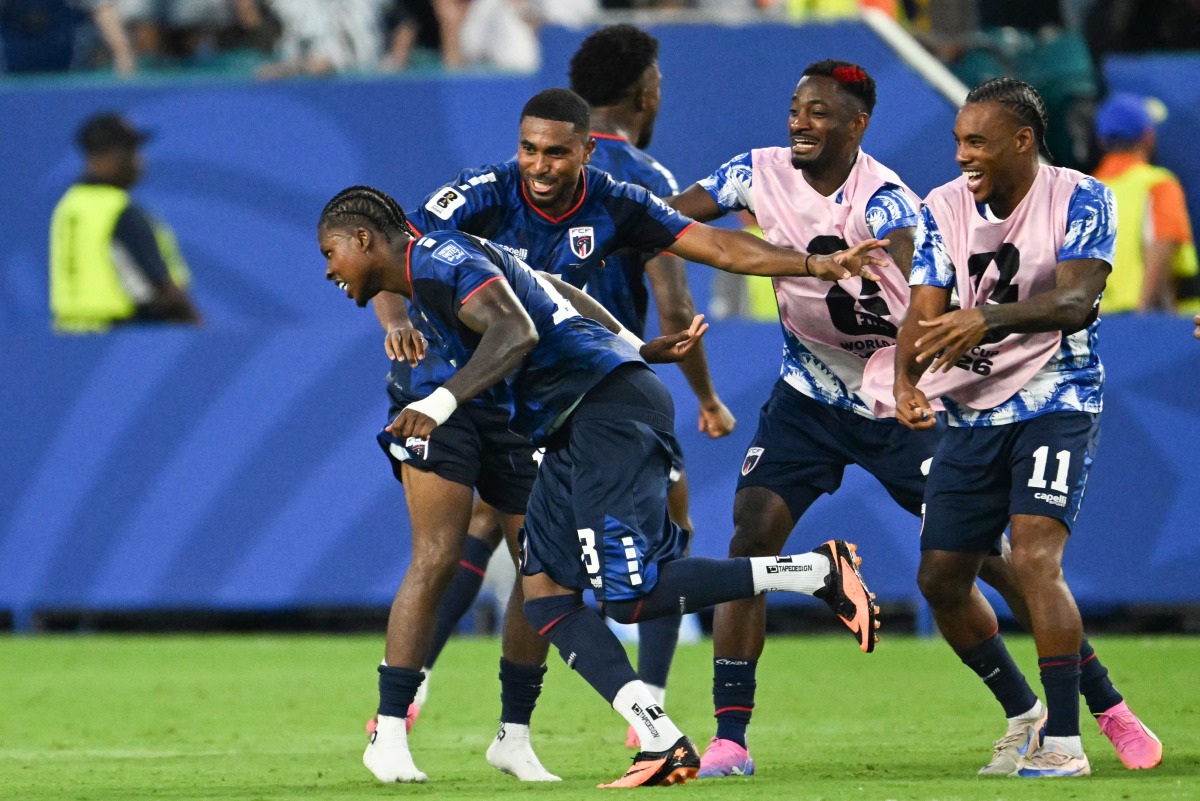
Cape Verde’s players celebrate after Sidney Lopes Cabral scored a goal against Argentina on Friday.
Doha, Qatar: With the 2026 FIFA World Cup Round of 16 underway, African teams have delivered one of the most memorable performances in the tournament’s history. With 10 nations representing the continent in the expanded 48-team format, CAF teams shattered records by sending a staggering nine into the knockout stages.
Though only two, Morocco and Egypt have advanced further, the collective impact has been profound, signaling a new era of competitiveness from the African continent.
Cape Verde undoubtedly have become the talk of the town after emerging as the tournament’s surprise packages. The tiny island nation, making its World Cup debut, stunned observers by advancing from Group H as runners-up. Facing defending champions Argentina in the Round of 32 on Friday, the Blue Sharks pushed the South Americans before eventually falling in extra time. Their success has united a nation of just over half a million people and highlighted the depth of talent emerging from smaller African football associations.
Their spirited performance reinforced the growing depth of African football and highlighted the progress being made by smaller footballing nations on the continent.
Morocco, the standard-bearers since their fairy-tale run to the semi-finals in Qatar 2022, once again led the charge. The Atlas Lions topped expectations by advancing from the group stage and then producing a dramatic victory over the Netherlands in the Round of 32. After a 1-1 draw, Morocco held their nerve in a tense penalty shootout, winning 3-2 to book their place in the last 16. They now face favourites France in the quarter-final following their 3-0 victory over co-hosts Canada.
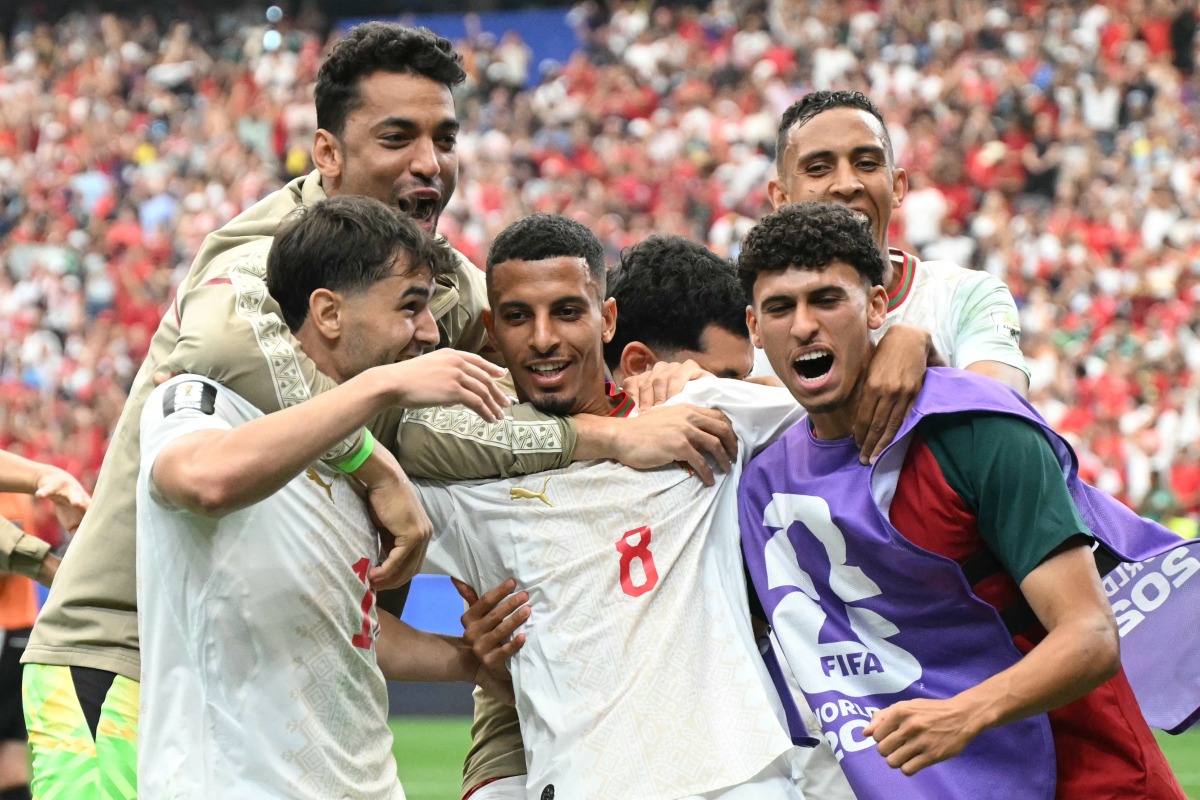 Morocco players celebrate.
Mohamed Ouahbi’s side, known for tactical discipline and resilience, continues to embody the “African dream” on football’s grandest stage. Their progress has electrified fans back home and across the diaspora, with celebrations spilling into the streets of Rabat and beyond.
Joining them is Egypt, who secured their spot in historic fashion. Led by talismanic forward Mohamed Salah, the Pharaohs edged past Australia in a penalty shootout triumph that has been hailed as one of the tournament’s standout moments. Egypt finished as runners-up in their group and capitalized on their experience in high-stakes matches. Salah’s leadership and composure under pressure have been pivotal, reminding the world of Africa’s wealth of individual talent.
Egypt will be up against reigning champions Argentina in the Round of 16.
The broader story, however, is one of widespread success. Nine of Africa’s 10 participants, Morocco, Egypt, Senegal, Ivory Coast, Ghana, Cape Verde, South Africa, DR Congo, and Algeria, reached the Round of 32, eclipsing the previous record of just two teams advancing from a single tournament. This 90% progression rate from group stage to knockout is the highest of any confederation, leaving traditional powerhouses from Europe and South America taking notice.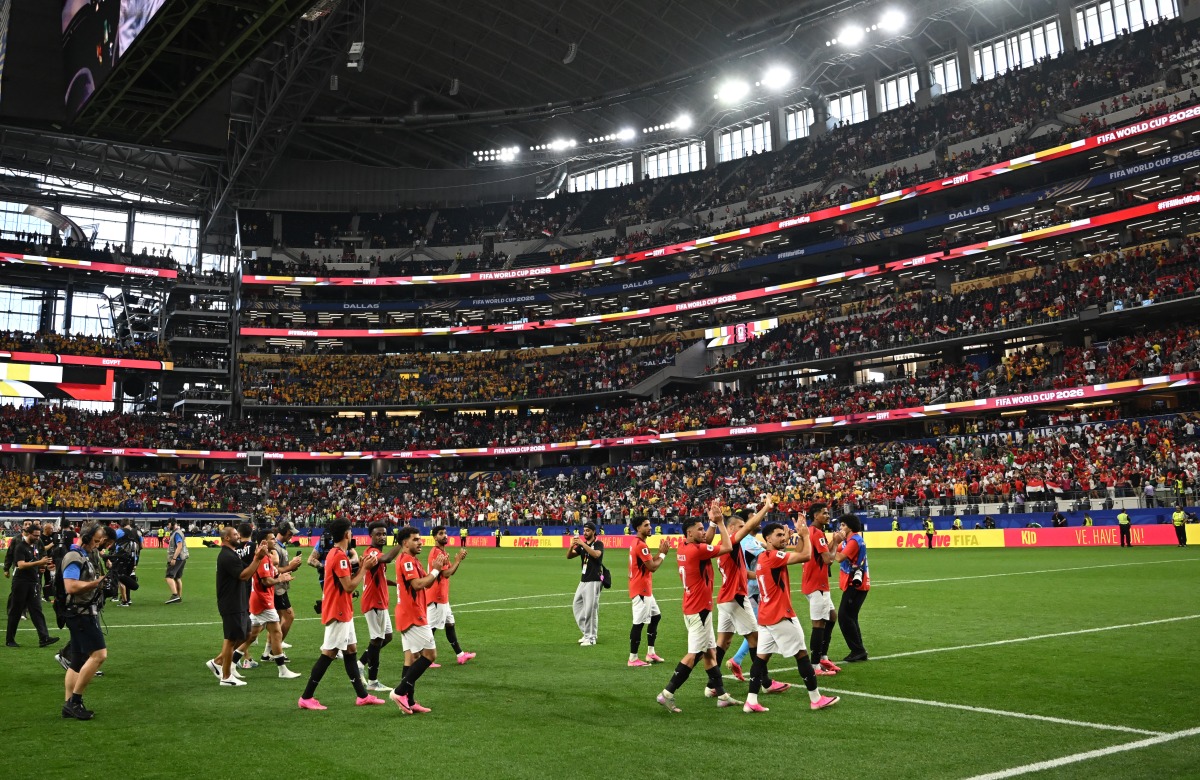 Egypt’s players celebrate after defeating Australia. (PICS: AFP)
Other sides pushed major opponents to the limit. DR Congo led England for much of their Round of 32 clash before Harry Kane’s late heroics secured a 2-1 win for the Three Lions. Senegal led Belgium 2-0 deep into their encounter but suffered a heartbreaking 3-2 defeat in extra time. Ivory Coast went down narrowly to Norway, while Ghana exited against Colombia. South Africa fell to co-host Canada in a tight affair. These near-misses underscore not just competitiveness but the tactical evolution and physical preparation of African squads.
Analysts point to several factors behind the surge. The expanded format provided more opportunities, but credit also goes to improved domestic leagues, better coaching infrastructures, and a new generation of players plying their trade at top European clubs. CAF’s strategic investments in youth development are bearing fruit, with teams displaying superior organization and counter-attacking prowess.
Challenges remain. Only two teams progress to the Round of 16, and the knockout stages grow fiercer. Yet the narrative has shifted permanently. No longer are African teams seen as underdogs who might snatch a result; they are legitimate contenders reshaping the global hierarchy.
For the millions of fans across Africa, from bustling cities in Senegal to remote villages in Cape Verde, this World Cup has been a source of immense pride.
As the tournament intensifies in North American stadiums, the legacy of 2026 is already clear: African football has arrived, and the world must reckon with its rising power. The Round of 16 marks not an endpoint but a stepping stone toward even greater ambitions in future editions.