DOHA: The Al-Attiyah Foundation, the leading energy and sustainable development think tank, hosted world-renowned experts to explore the challenges and opportunities faced by heavy industry in the race to reduce CO2 emissions. The four international guest speakers shared their knowledge and opinions at the Foundation’s 3rd CEO Roundtable discussion of 2019, held in Doha last month.
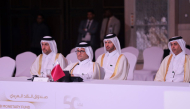
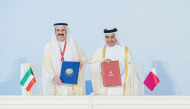
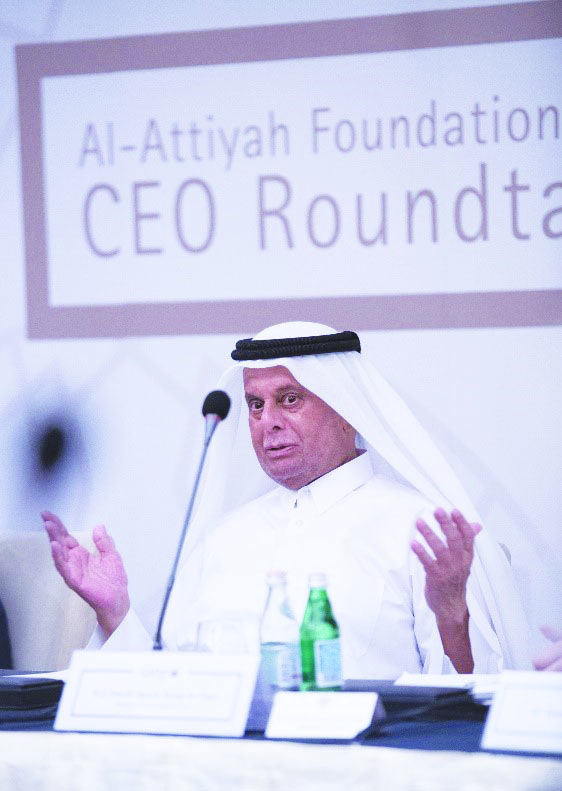
Hosted by Abdullah bin Hamad Al Attiyah (pictured), Chairman and Founder of the Al-Attiyah Foundation, the CEO Roundtable quarterly series allows leaders from Qatar’s key industries to gain direct access to the latest thinking on the chosen energy and sustainable development theme. The thought-provoking conversations get to the very heart of the issues and explore potential solutions as the world transitions to a sustainable energy future.
“From my experience, many governments are more concerned about being re-elected than they are about tackling climate change issues. I hope to see greater collaboration and partnership between government, industry and academia to ensure the very best technologies and stronger alliances are utilised to support a sustainable energy future” said Abdullah bin Hamad Al-Attiyah, Chairman, Al-Attiyah Foundation.
Reducing CO2 emissions from heavy industry whilst meeting the goals of the United Nation’s Paris Agreement, is one of the biggest challenges facing governments and industry today. Paradoxically, as the world strives to achieve growth and prosperity for all, it needs to reduce the environmental impact of the very industries that are at the centre of supporting this growth.
The CEO Roundtable focused on three key heavy industries: cement, iron and steel and non-ferrous metal production - since approximately 50% of heavy industry’s global greenhouse gas emissions comes from these three sectors.
Liv Rathe, Director, Corporate Climate Office, Norske Hydro, and Board Member of the International Emission Trading Association (IETA), was the first speaker to address the CEO Roundtable attendees. Liv focused her attention on the production and distribution of aluminium, which is the second most widely used metal in the world.
Demand for aluminium is growing since it is strong, light-weight, and infinitely recyclable - making it a great contribution to a society based on low carbon products such as lighter cars and energy efficient buildings. However, the carbon footprint of primary aluminium production comes largely from electricity consumption that depends on the energy source. In order for aluminium to become a longer-term low carbon option however, the energy source used to produce it, must be sustainable.
Matthew Bateson, Former Senior Environmental and Corporate Affairs Executive, Rio Tinto, and second speaker at the CEO Roundtable meeting, addressed the CO2 reduction challenges in the mining and metals sector. He said: “In my experience working in the mining and metals sector, leaders have come to terms with the need to manage their own emissions created by the production of raw and processed materials, but the idea that there is a level of responsibility for the use of their products, is a much harder concept for them to frame and understand.”