DOHA: The ongoing US-China trade war will have no immediate effect on the Gulf countries as the region is not directly involved or implicated in the current rows.The Gulf is basically an importing region with large trade deficits outside oil. So there are no reasons for other countries to impose tariffs on its exports and definitely the region does not have any interest in imposing tariffs on its imports, according to NBK.
But there will be some indirect second-round effects on the region through a few channels.
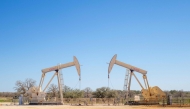
First, when global growth gets hit, the demand for oil decreases and so does the price. Moreover, China and other Asian countries linked to it though supply chains are major oil importers and are expected to be affected the most by a trade war, putting further downward pressure on oil prices.
The impact on oil prices will be more pronounced if oil supply increases in the coming period due to Opec’s decision to increase output in conjunction with an expected substantial increase in US oil production.
In case Opec and Russia agree as they did in 2016 to rebalance the oil market by restricting supply, then this may create some problems with the US, the NBK research note said.
Second, the increase in tariffs will raise prices in most trading partners especially in the US. While the impact of tariffs on prices in the US has so far been muted, it will certainly accelerate in time. Take the case of steel and aluminum.
Steel enters the production of many goods such as cars, trucks, appliances, among others. So does aluminum, which is an input in many products from transportation to packaging. When duties are levied on other imports, the impact on prices will be much higher.
Given that Gulf countries import most of their goods and their currencies are pegged to the dollar, inflation will pass through. This will necessitate a more restrictive set of policies, with an adverse impact on growth.
Third, and relatedly, if inflation in the US picks up on account of higher tariffs, the Fed will need to raise the policy rate at a faster pace. To keep the peg to the dollar in the absence of any capital controls or restrictions, Gulf countries would need to raise their interest rates at least in tandem with the US.
Fourth, the world is currently witnessing capital outflows from emerging markets to mature markets, mainly the US due to higher interest rates and the strong dollar but also because of the uncertainty and risks triggered by trade disputes.
Although the Gulf has not been affected as much, some have already experienced capital outflows. In addition, the expected inflows of capital into the region as a result of the inclusion in emerging markets indices i.e. FTSE and MSCI, may be moderated by these uncertainties triggered by trade tensions.
The GCC countries may then need to raise their interest rates faster than the US rates to attract capital with adverse effects on investment, growth, and unemployment.
In conclusion, current developments point to continued deterioration in trade tensions between the US and China. China has a number of options to consider, but none of them seem to be very appealing. One possible resolution to this impasse is for China is to make some concessions that are not too harmful and for the US to soften some of its demands so a deal could be reached where both sides get out of the crisis “victorious”.
If the trade dispute drags on for a long time, the Gulf region will be affected through the second-round effects stemming from a potential drop in the oil price and by the need to raise interest rates faster than expected if inflation in the US starts to pick up, pushing the Fed to adopt a more restrictive monetary policy.
But given their financial resources the region can weather these effects with minimum damage.