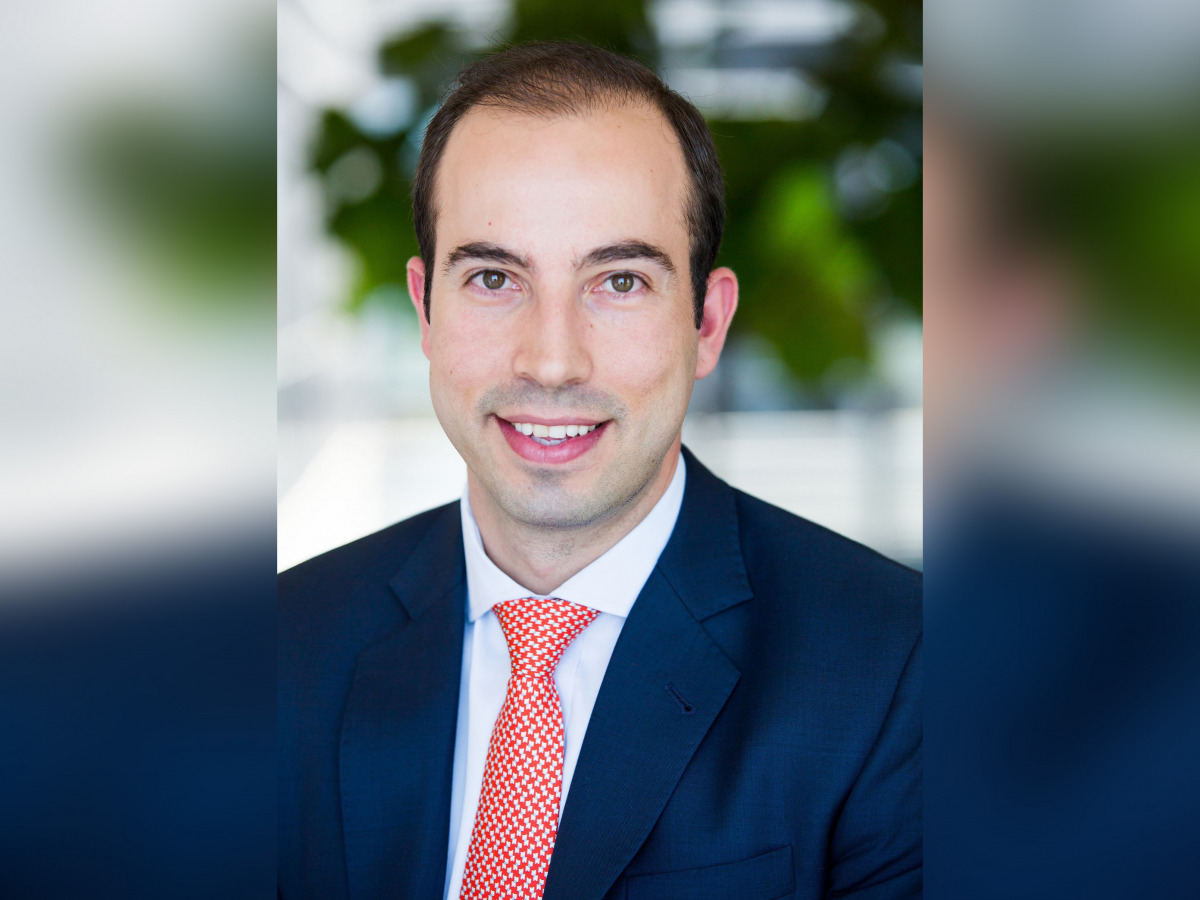
Harold Haddad, Managing Director and Partner at BCG.
Doha: Qatar’s financial wealth grew by a Compound Annual Growth Rate (CAGR) of 3.6 percent annually from 2015 to reach a high of $263bn in 2020 – 76 percent of which is investable wealth as Qatar showed resilience in the face of the protracted COVID-19 pandemic, according to a new report by Boston Consulting Group (BCG).
The report, titled ‘Global Wealth 2021: When Clients Take the Lead’, added that 60 percent of Qatari wealth is owned by individuals whose net worth is more than $5m. It also revealed that despite the pandemic’s enduring financial impact, global prosperity and wealth grew significantly throughout the crisis and are likely to continue to expand significantly over the next five years, in line with the emerging economic recovery.
“Examining the growth of Qatar’s wealth in recent years, it has certainly been strong, despite the economic turbulence stemming from the pandemic. Heightened economic productivity has transpired as per the Qatar National Vision 2030, encouraging Qatari nationals to engage in a global economic landscape, which is a key factor behind the country’s growth in wealth during a period of unprecedented difficulty,” said Harold Haddad, Managing Director and Partner at BCG.
Qatar, which represented 12 percent of the Gulf Cooperation Council’s (GCC) financial wealth in 2020, is expected to witness strong growth of 3.1 percent CAGR to reach $306bn by 2025, a $43bn increase from 2020.
Meanwhile, the region’s financial wealth is forecast to reach $2.7 trillion in 2025 from $2.2 trillion in 2020.
A spotlight on onshore asset allocation shows that equities and investment funds (51 percent) accounted for the largest proportion of assets in 2020. Looking ahead, the allocation of onshore assets is expected to be similar by 2025, where equities and investment funds amount to 53 percent, the largest share of onshore allocation in Qatar.
BCG’s report also shows Qatar’s changing landscape of the wealthy in the coming years, with the rise of the next-generation affluent and high-net-worth clients. These individuals, between 20 and 50 years of age, have longer investment horizons, a greater appetite for risk, and often a desire to use their wealth to create positive societal impact as well as earn solid returns. Many wealth managers are not yet ready to serve these new clients.
“Qatar’s wealth population has expanded due to notable economic accomplishments, with more citizens becoming acquainted with more wealth. Looking ahead, wealth demographics will continue to change, meaning the needs and expectations of clients will follow suit. With this scenario in mind, local wealth managers will have to cater to local needs and younger wealth segments with greater attention,” concluded Haddad.
To win the new segment of the next-generation segment, wealth managers must bring a bold and new digital business model to life, said BCG.
The five pillars of the new digital model include: Supercharged Relationship Management where all the legwork is done with the use of technology and relationship management to become the key support in the digital conversion funnel; Contextual and Consumable Learning which is streamlined, gamified, 100 percent digital content, and placed strategically to nudge conversion; Smarter User And Experience Design with simple to use platforms, enriched with tools and simulators that clients can play with; Simplified Pricing where Hybrid model combines asset-based pricing with flat subscription fees; and Democratised Access to “Haute” Investments such as Customizable discretionary mandates, and scale-down of (U)HNWI products.