DOHA: The first public release of QFC Qatar PMI monthly survey showed the growth was sustained in Qatar’s non-oil sector, signalling a positive reading in the headline PMI
(Purchasing Managers’ Index). The QFC report contains data collected from the monthly survey of business conditions in Qatar’s non-oil private sector.
The finding reflected further growth in output and new orders. Although the Future Output Index saw business confidence retrace some of the strong gains witnessed in the last couple of months, it remained positive overall. April data also indicated easing levels of job shedding and input price inflation, providing some positive news for the non-oil private sector.
The QFC PMI non-oil private sector survey for Qatar is compiled by IHS Markit, a world leader in critical information, analytics and solutions.
The headline seasonally adjusted Qatar Financial Centre PMI — a composite gauge designed to give a single figure snapshot of operating conditions in the non-oil private sector economy — fell to 51.0 in April, down from 52.5 in March.
Despite the decline, the reading remained above the critical 50.0 mark that delineates expansion and contraction, and indicated a further improvement in business conditions.
Growth has been recorded continuously since August last year. The pace of improvement in client demand, captured by new order growth, eased in April leading to a modest softening in output growth.
The QFC PMI indicated that the Purchase price inflation softened to an eight-month low. Whilst some businesses continued to report rising transportation costs, the vast majority signalled unchanged cost burdens since the preceding survey period.
Meanwhile, staff costs decreased for the first time in four months. On the employment front, job shedding eased in April and was only fractional overall. Furthermore, the rate of decline was slower than the historical average.
Finally, April saw a retracement in the degree of confidence towards future growth prospects. Whilst some firms noted optimism towards new project wins and general economic development, others reported concerns towards political and economic uncertainty in the non-oil private sector. Nonetheless, business confidence remained positive overall.
Although the headline PMI fell slightly in April, the figure was still indicative of an expansion in the non-oil private sector, thus extending the current phase of growth to nine months.
Qatari businesses continued to generate new business at a modest rate, demonstrated by the expansion in new orders since October last year.
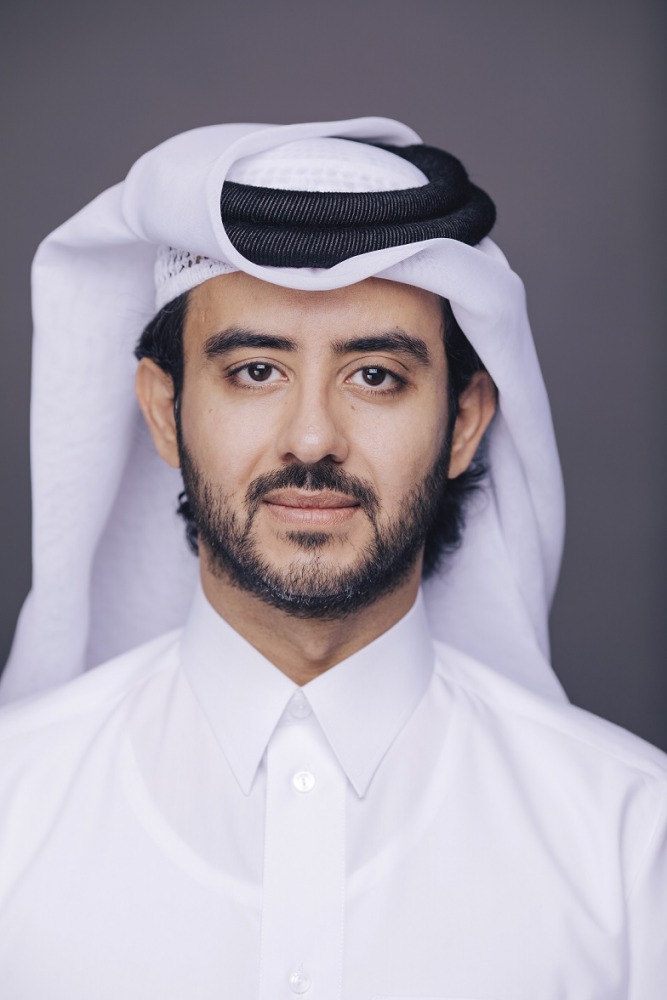
Dr. Haitham Al Salama (pictured), Chief Economic Advisor at Qatar Financial Centre said: “Easing price pressures provided welcome signs of lower inflation for local businesses. Whilst some firms continued to note persistently high transportation costs, the majority reported unchanged cost burdens. Furthermore, falling staff costs also helped ameliorate business budgets in the latest survey.”